6 UNESCO World Heritage Sites in Canada I’ve Visited
Canada is home to 22 UNESCO World Heritage Sites, ranging from spectacular mountain landscapes and ancient fossil beds to historic cities and Indigenous cultural landmarks. Each one tells a different story about the country’s history, heritage and natural beauty.
I’ve personally visited six of these UNESCO World Heritage Sites in Canada. What I love most is how different each experience has been. From exploring the Canadian Rockies on my cross-country road trip to wandering through Old Québec, these places have given me a deeper appreciation for Canada’s diversity.
If you’re looking for unique places to add to your Canadian travel itinerary, here are six UNESCO sites I recommend. I’ll share what makes them special and how to make the most of your visit.
This post contains affiliate links. If you make a booking or purchase through one of these links, I may earn a small commission at no additional cost to you. Your support helps me continue creating honest, firsthand travel guides—thank you! Read my full affiliate disclosure for more information.
6 UNESCO World Heritage Sites in Canada I’ve Visited
1. Canadian Rocky Mountain Parks – Alberta & British Columbia
UNESCO designation: 1984, extended in 1990
Location: Alberta and British Columbia
Best for: Mountain scenery, hiking, lakes and outdoor adventures
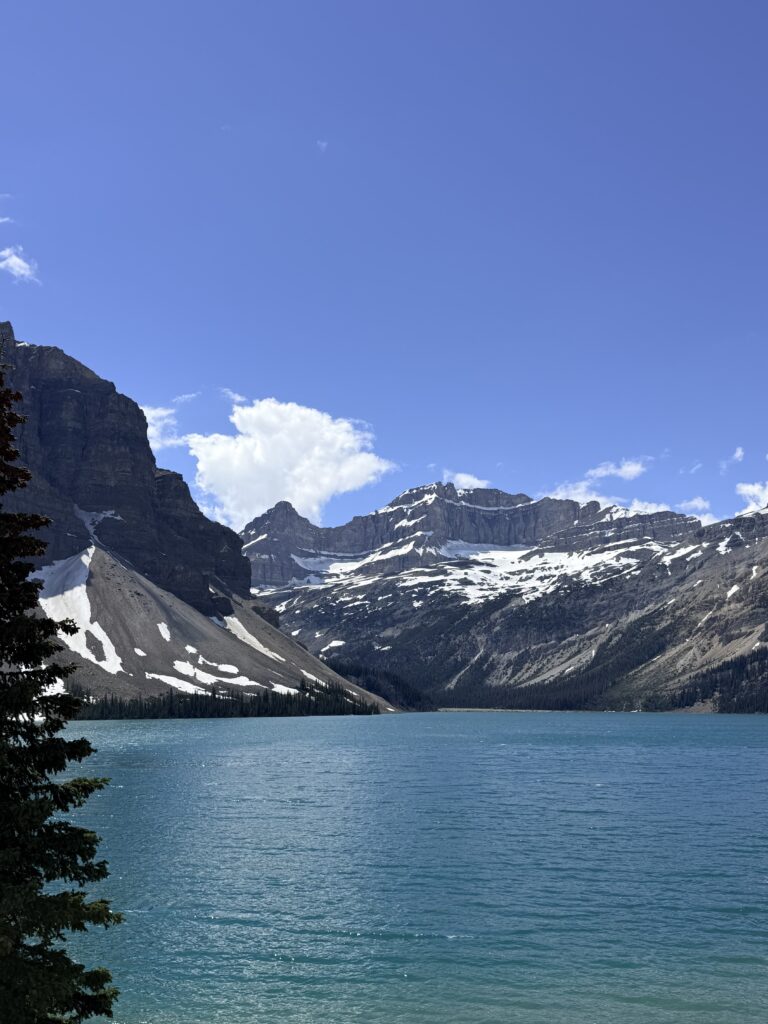
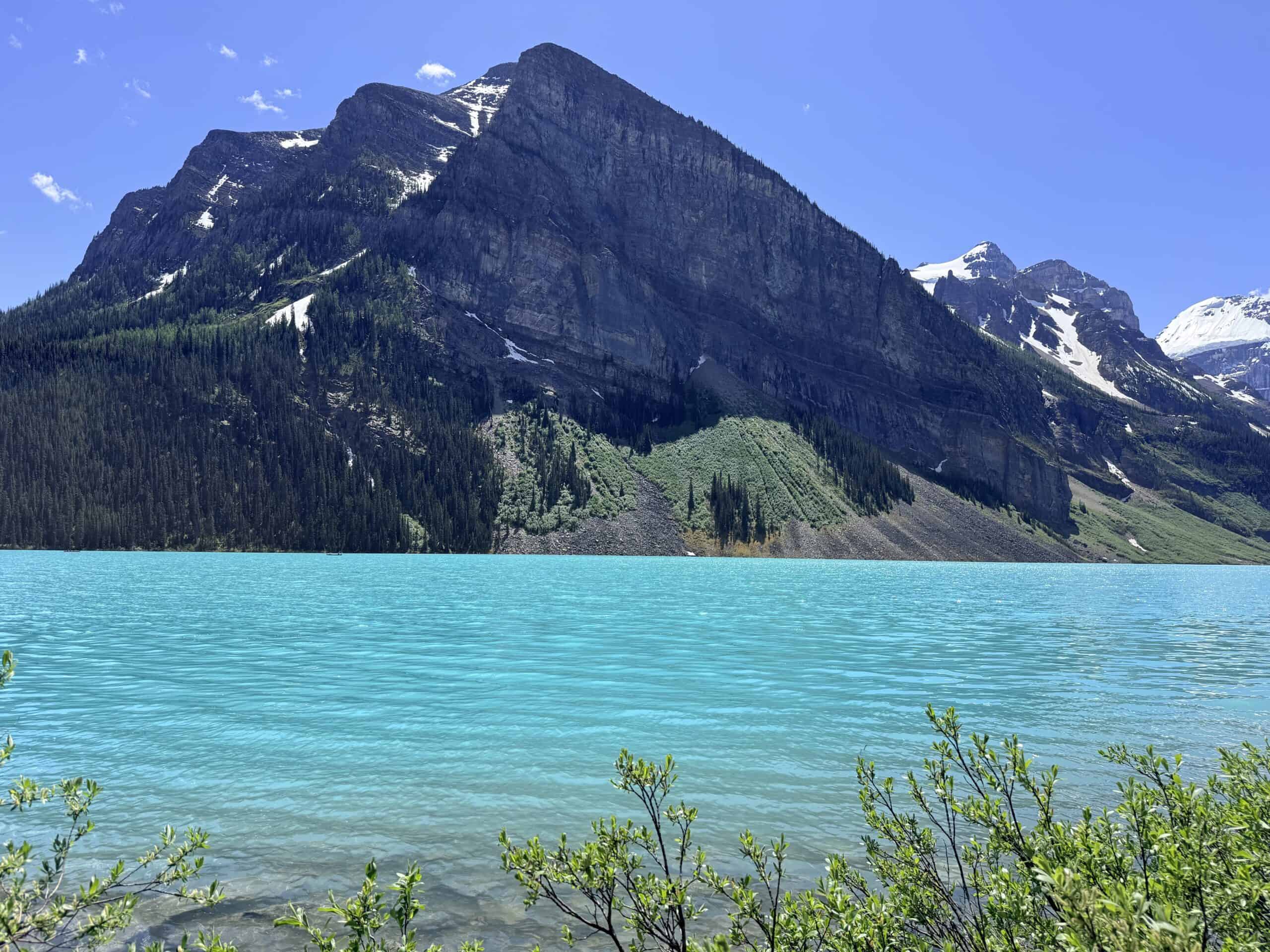
The Canadian Rocky Mountain Parks are among the most breathtaking places I’ve explored in Canada. This UNESCO World Heritage Site includes seven national and provincial parks: Banff, Jasper, Yoho, Kootenay, Mount Robson, Mount Assiniboine and Hamber.
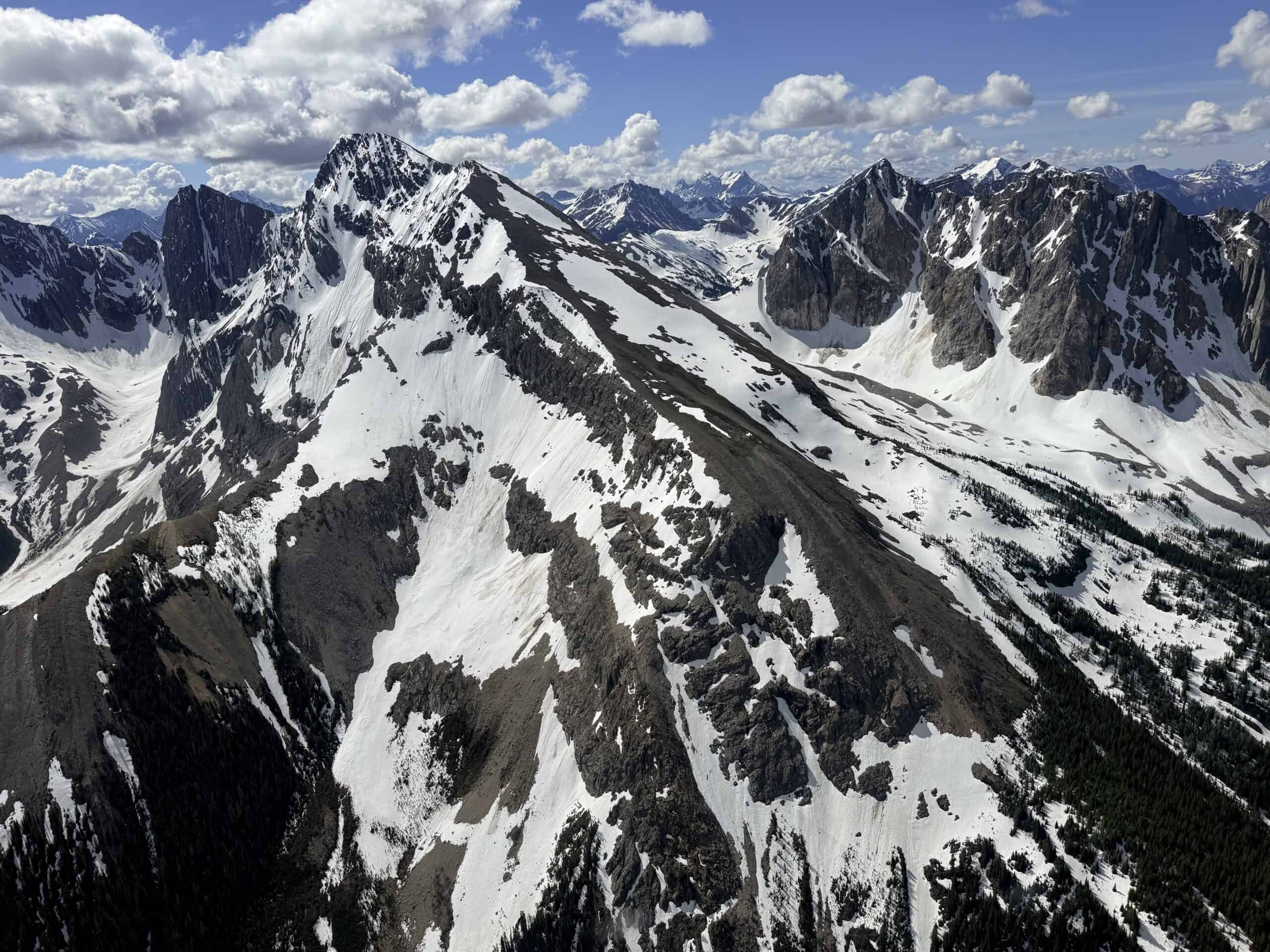

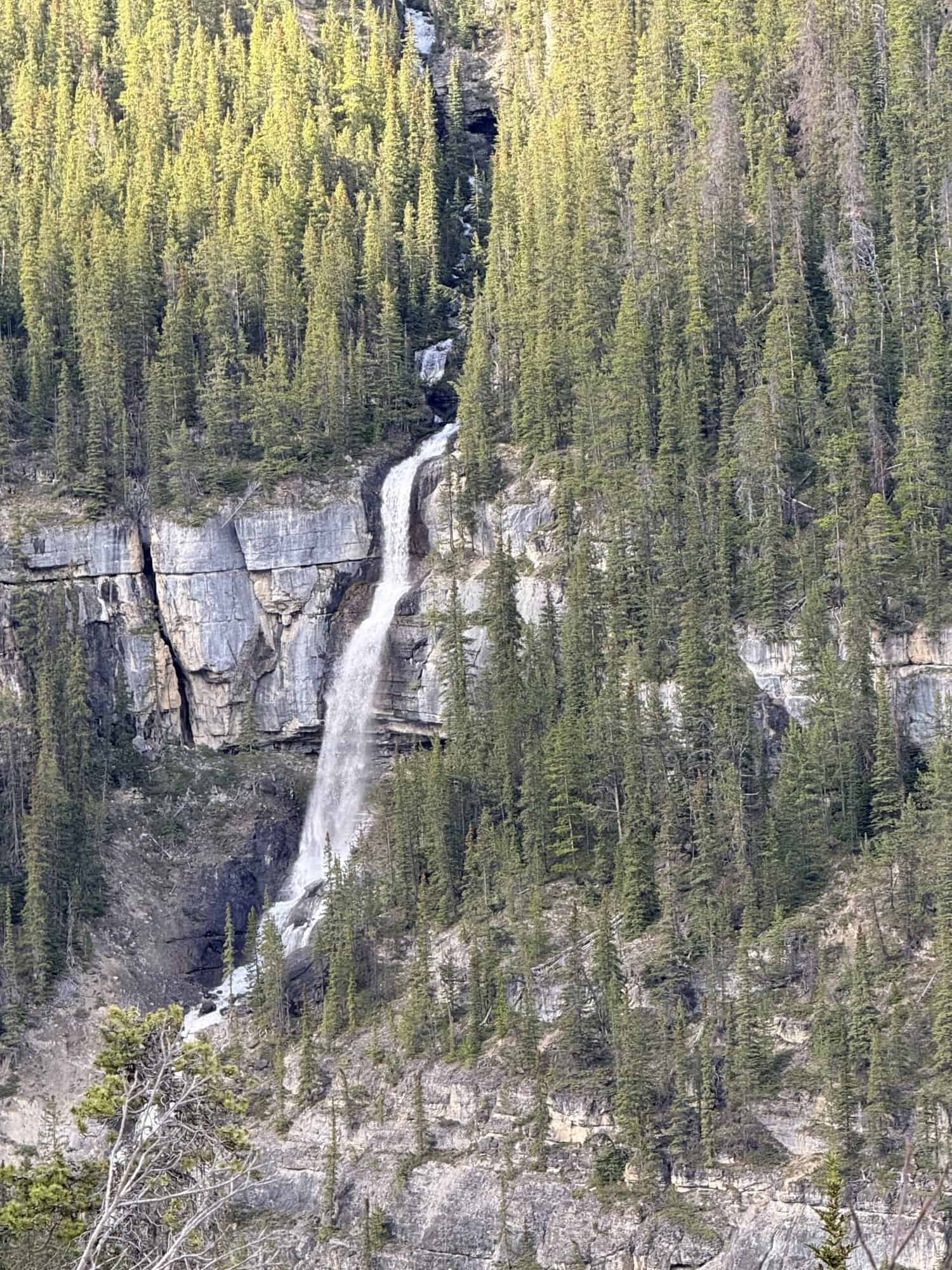
Together, they protect a vast landscape of glaciers, turquoise lakes, waterfalls and rugged mountain peaks. The region also contains the Burgess Shale fossil sites, which preserve evidence of marine life from more than 500 million years ago.
I explored the Rockies during my summer road trip across Canada, and this region quickly became one of my favourite parts of the journey.
What I Recommend in the Canadian Rockies
If you’re visiting for the first time, I recommend focusing on Banff, Jasper and Yoho National Parks. Each offers something different, and together they provide a wonderful introduction to the Rockies.
In Banff, canoeing on Moraine Lake was one of my favourite experiences. Surrounded by the Valley of the Ten Peaks, the scenery is even more impressive from the water. If you’re deciding between the two iconic lakes, my Moraine Lake vs. Lake Louise canoeing guide shares my experience and recommendations.
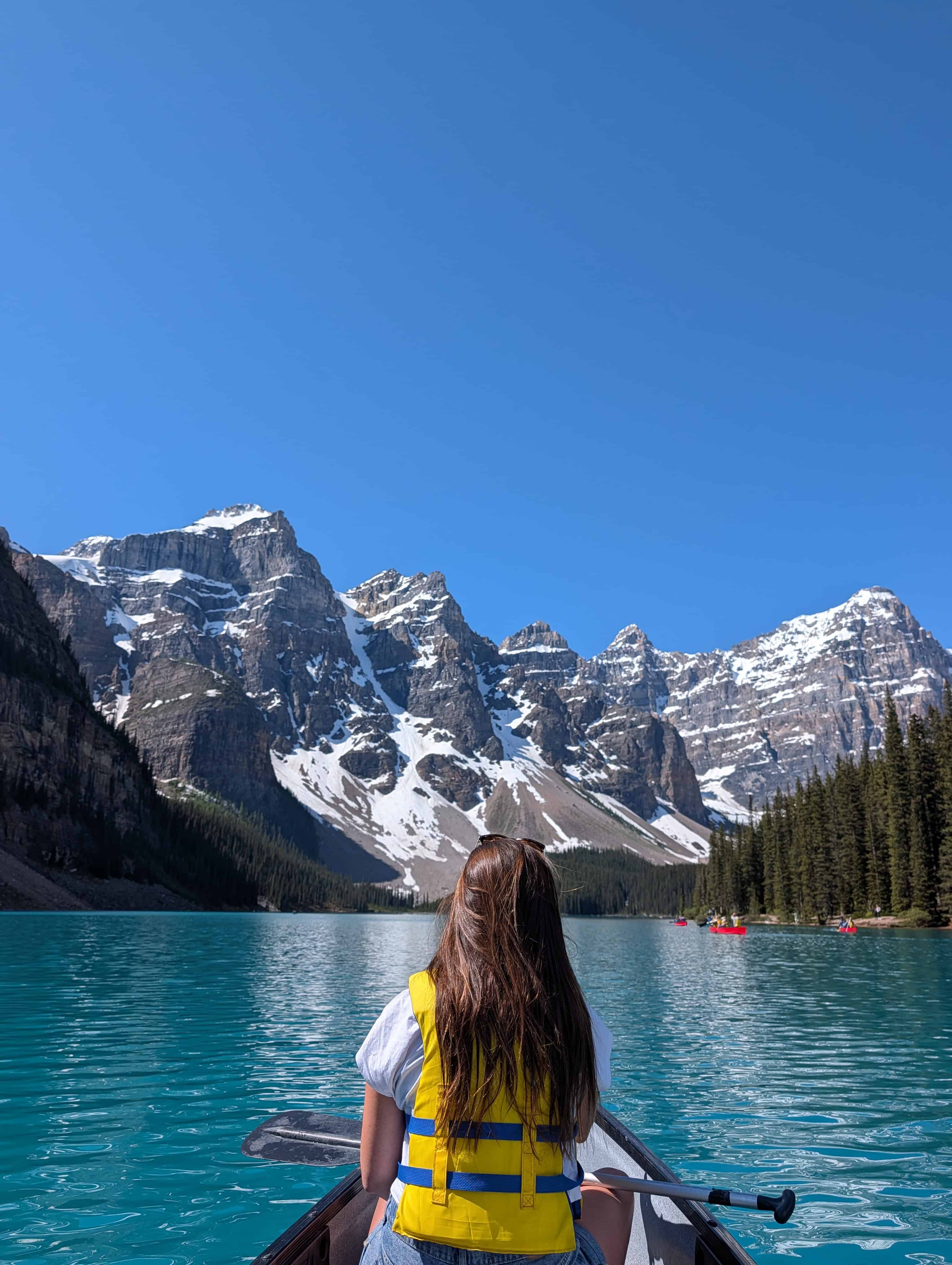
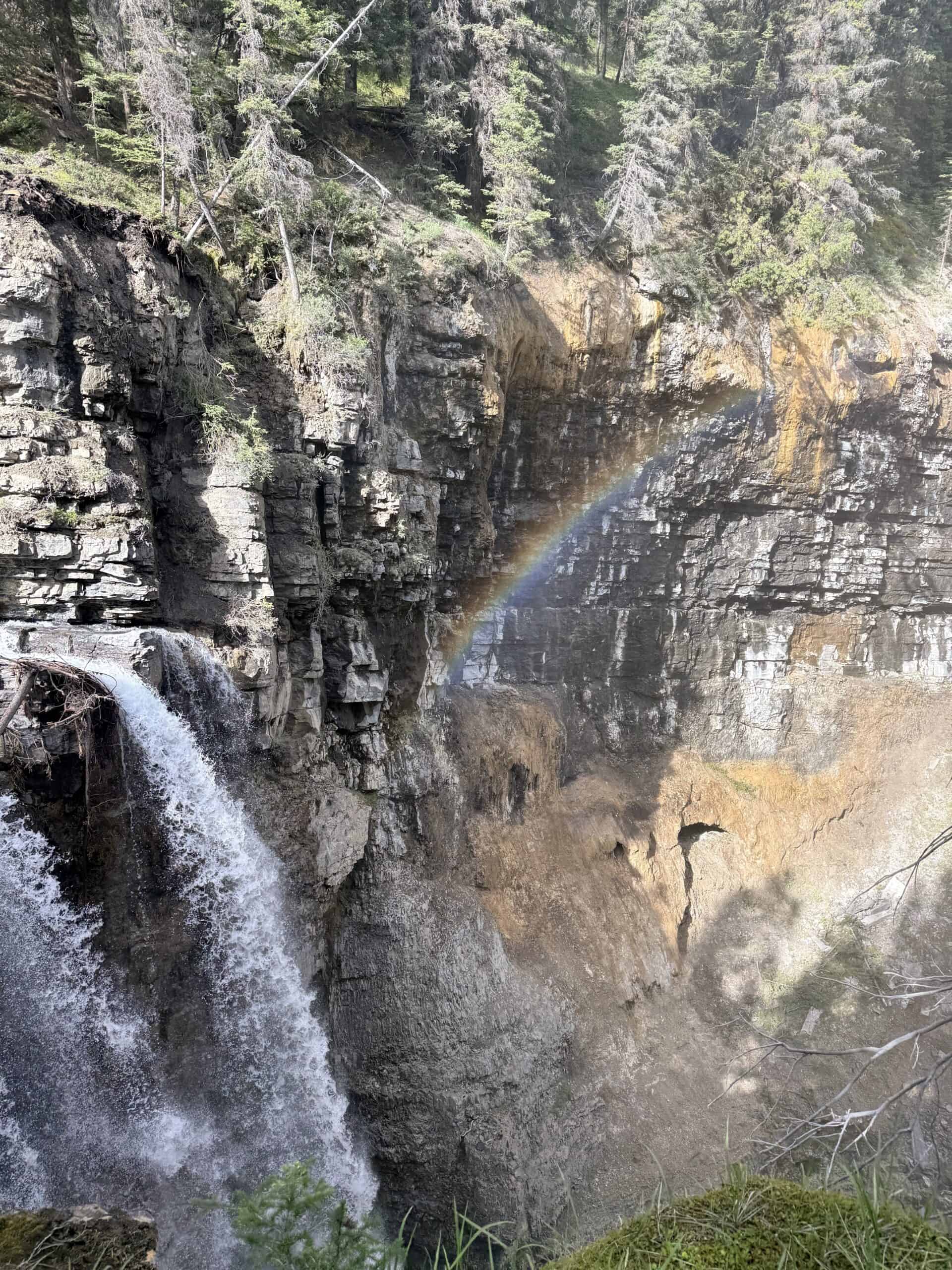
Another highlight was hiking through Johnston Canyon, where wooden walkways lead through a limestone canyon to beautiful waterfalls. I also loved taking a helicopter tour from Canmore, which gave me an entirely different perspective of the Rockies from above.
Another highlight was driving the Icefields Parkway between Lake Louise and Jasper. This scenic highway passes glaciers, waterfalls, mountain valleys and spectacular viewpoints, including Peyto Lake and Bow Lake. Rather than rushing between the two national parks, I recommend dedicating a full day to the drive.
For a route combining these highlights, follow my 3-day Banff National Park itinerary.
Planning Tip: June through September is ideal for hiking, canoeing and exploring the mountain parks. Reserve transportation to Moraine Lake in advance, and allow at least three to five days for the main highlights.
2. Dinosaur Provincial Park – Alberta
UNESCO designation: 1979
Location: Near Brooks, southeastern Alberta
Best for: Dinosaur fossils, geology and unusual landscapes
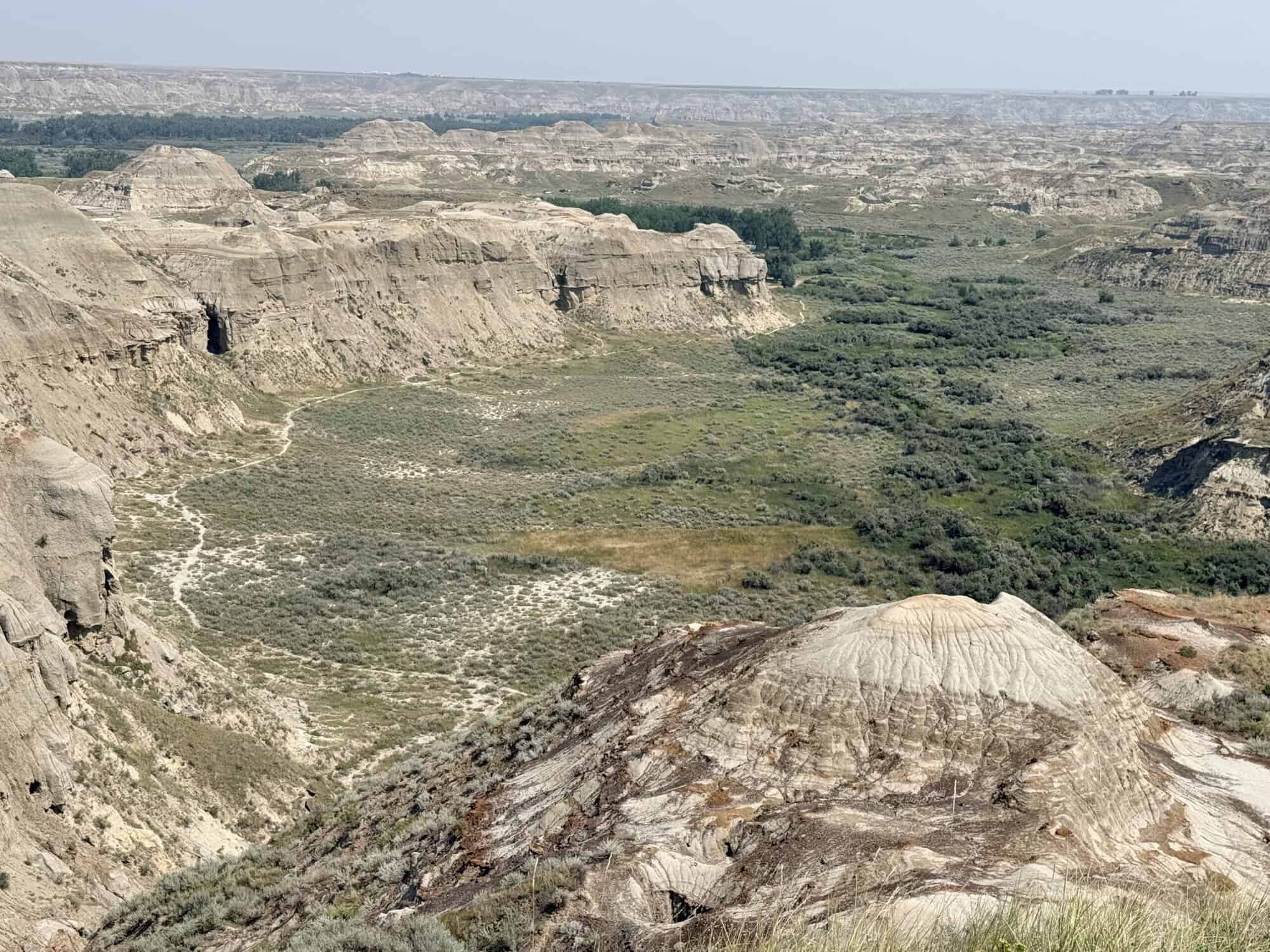
If you associate Alberta primarily with the Rocky Mountains, Dinosaur Provincial Park offers a completely different landscape. Located in the Alberta Badlands, about two hours east of Calgary, this UNESCO site protects one of the world’s richest dinosaur fossil deposits.
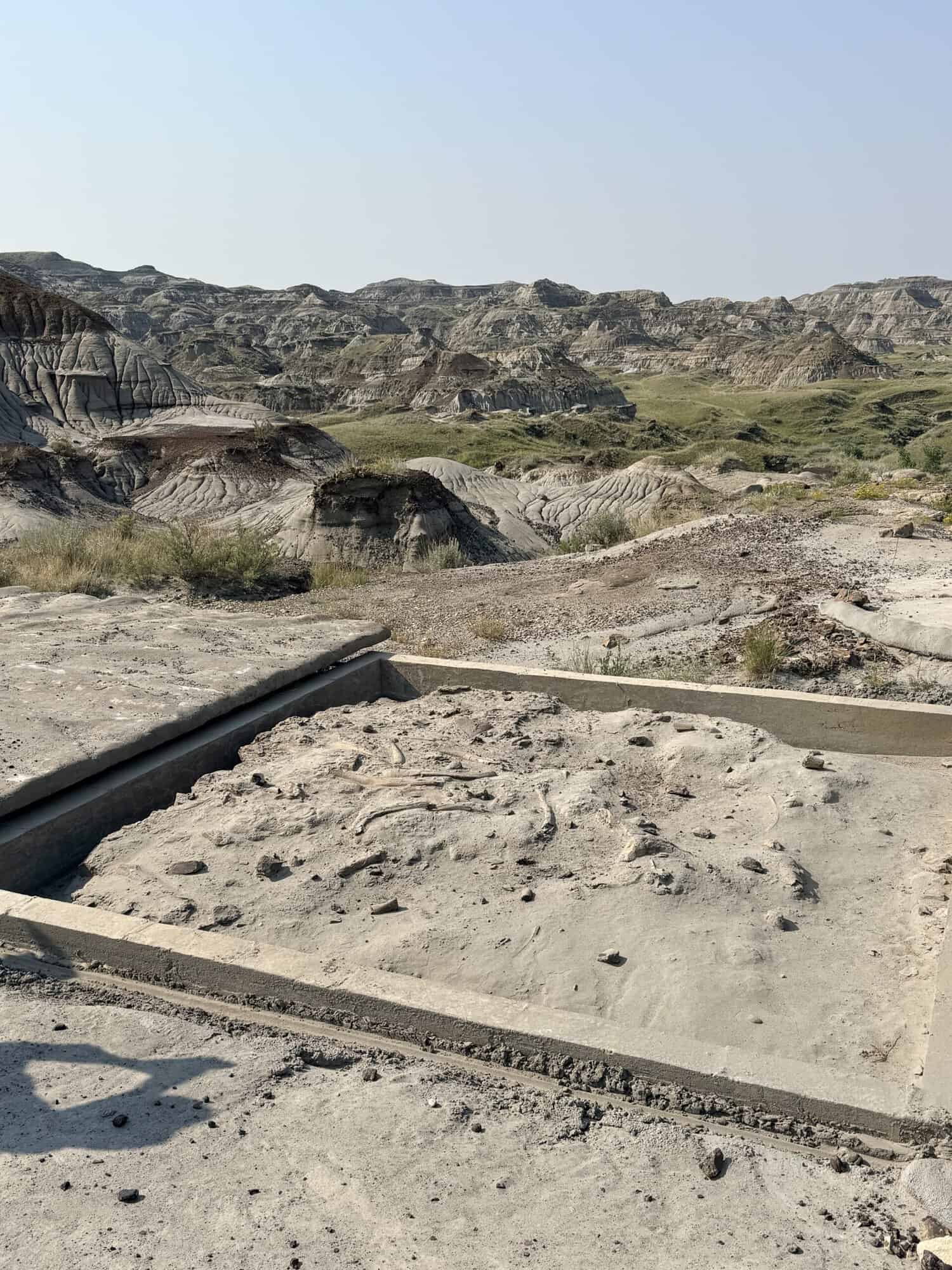
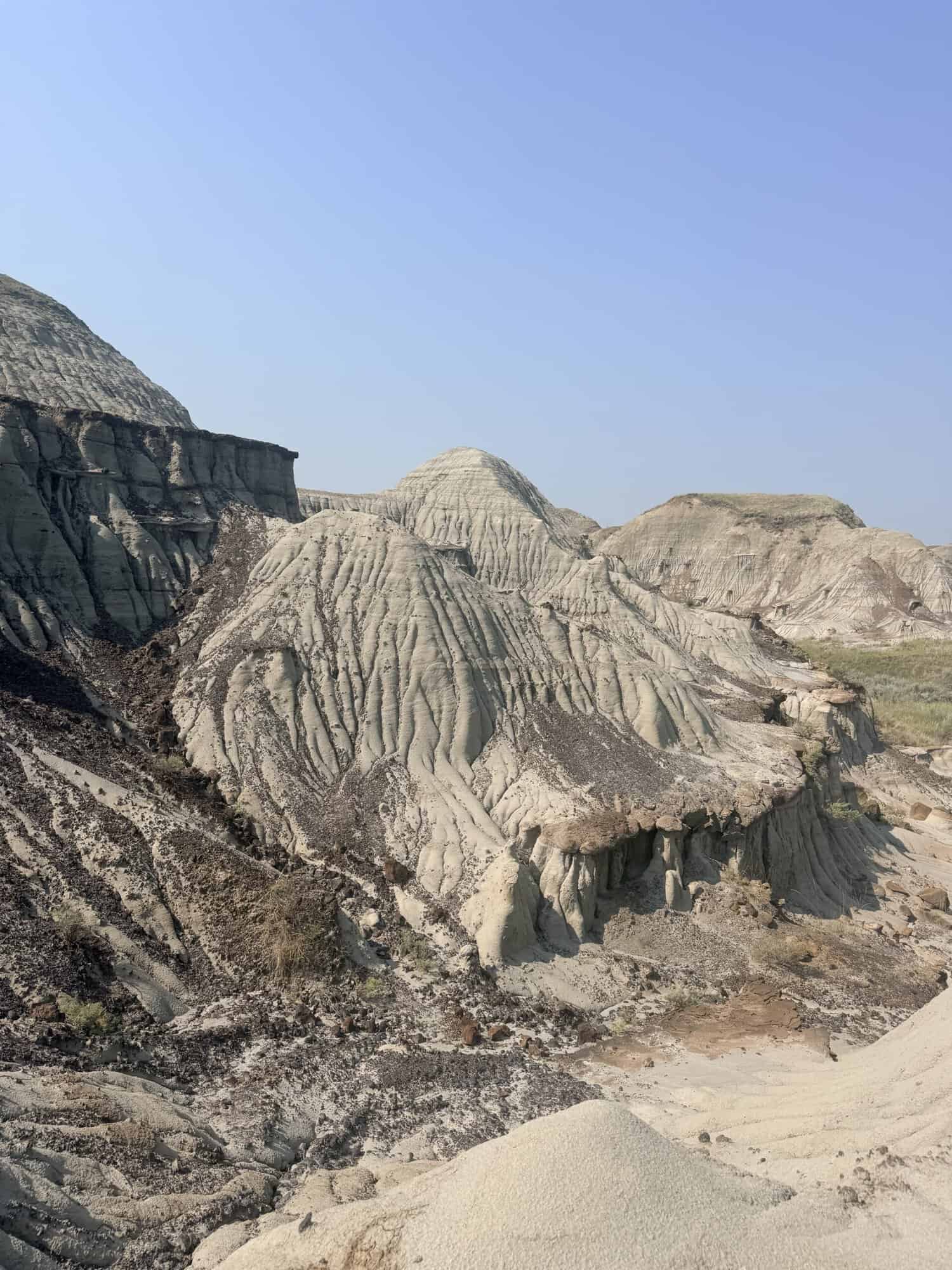
The scenery is striking, with eroded rock formations, deep gullies, hoodoos and exposed layers of sediment. Fossils discovered here date back approximately 75 million years, with many specimens now displayed in museums around the world.
What I Recommend at Dinosaur Provincial Park
One of the highlights of my visit was taking the Bonebed Express Hike, a guided experience that brings you into a protected area of Dinosaur Provincial Park that’s normally closed to the public. If you’re visiting, I highly recommend booking a guided tour to explore beyond the accessible trails.
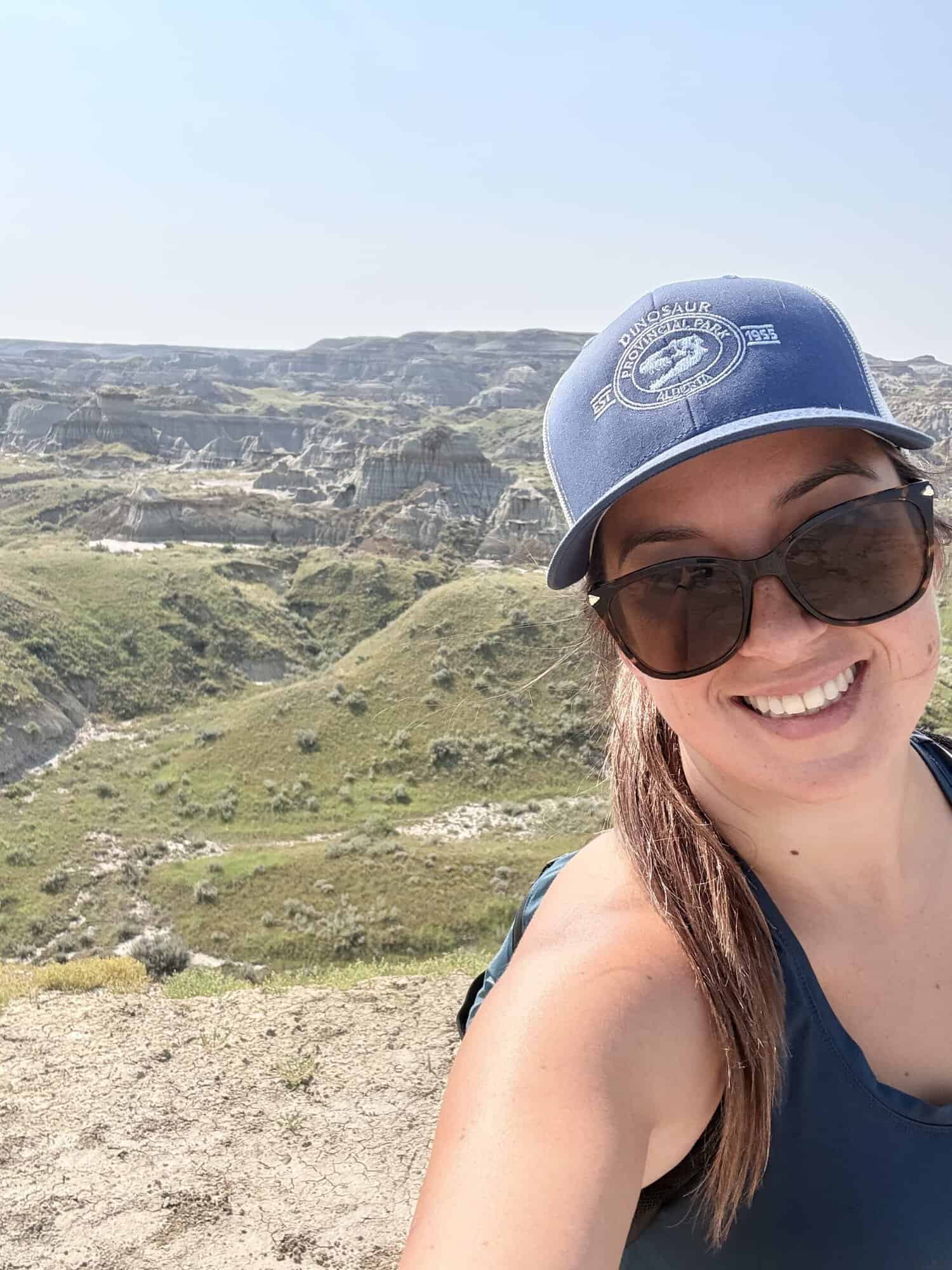
The experience begins with a bus ride into the park’s Palaeontological Preserve, followed by a guided hike through the rugged badlands. Along the way, our guide shared an incredible amount of information about the landscape, dinosaur discoveries and how fossils are preserved. We even had the opportunity to see fossils exposed in the ground, which made the history of this place feel much more tangible.
What makes this tour particularly interesting is the access it provides. Much of Dinosaur Provincial Park is protected to preserve its fossils and fragile landscape, so you can’t simply wander into these areas independently. The Bonebed Express Hike takes you to an important fossil excavation site while helping you understand what paleontologists have learned from the discoveries made there.
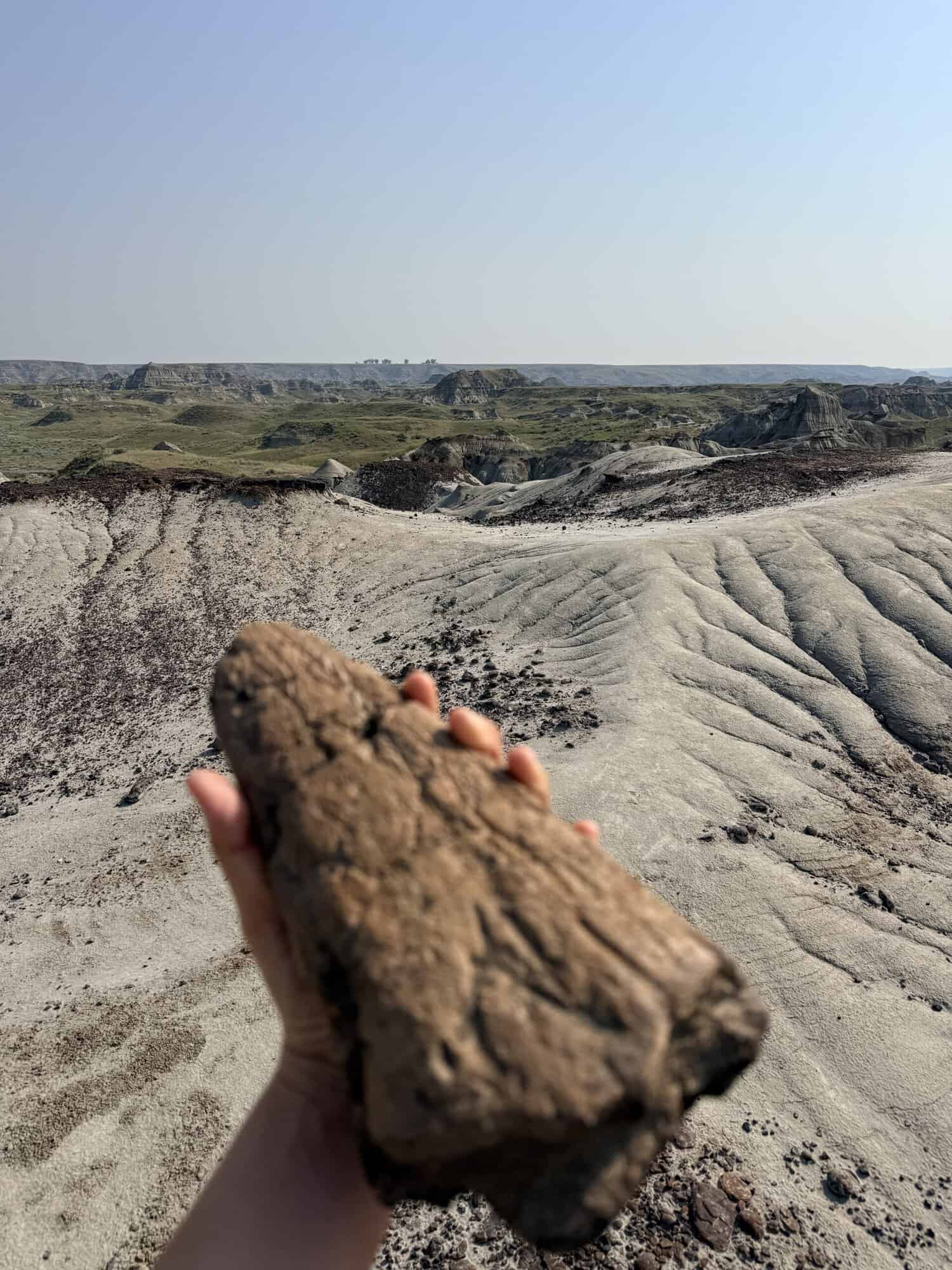
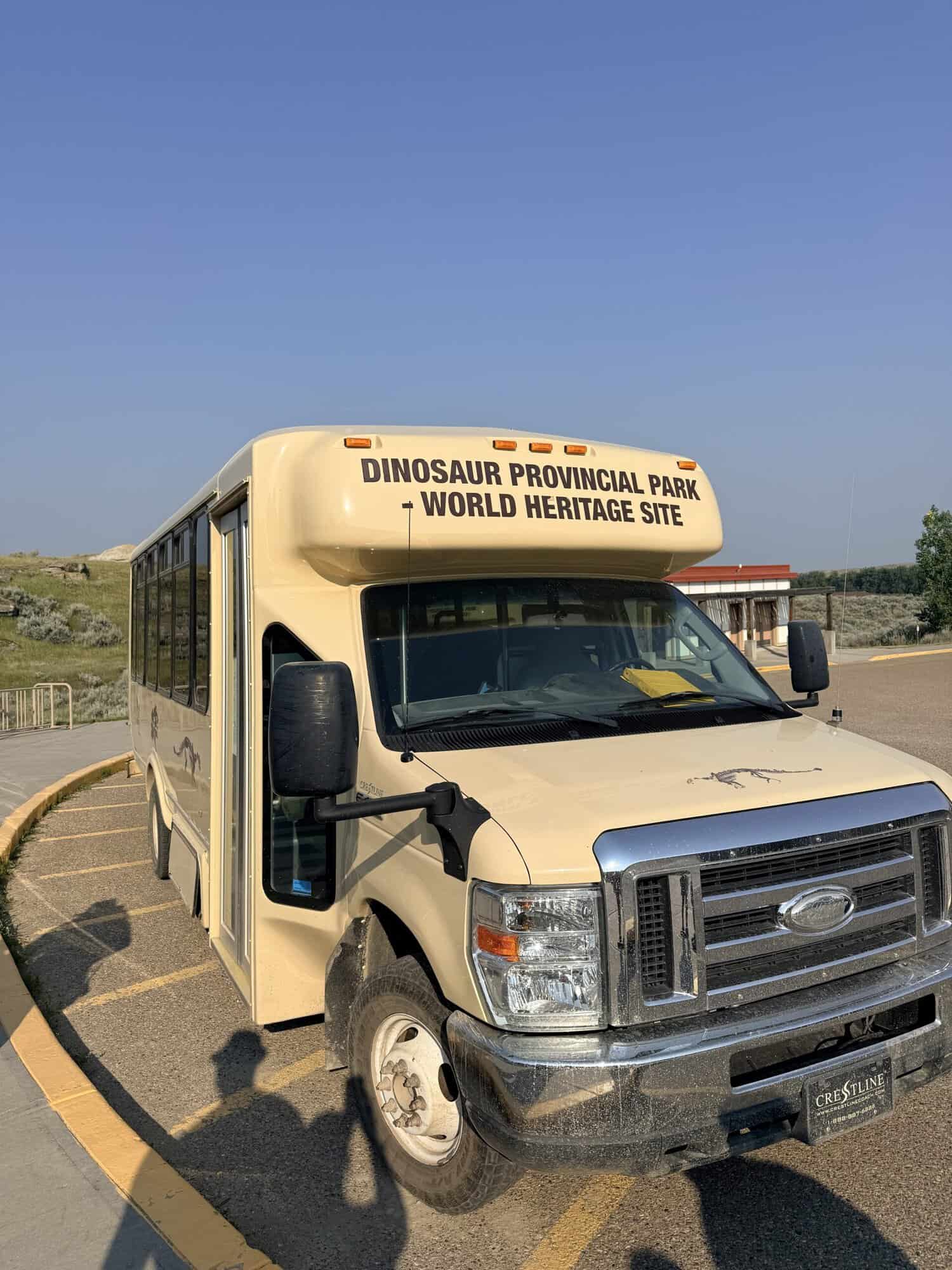
The tour lasts approximately 2 hours and 15 minutes, including a moderate 3-kilometre hike over uneven terrain. I’d also leave time to explore the public walking trails and fossil displays, where you can enjoy the unusual rock formations at your own pace. The park offers camping if you’d prefer to spend the night surrounded by the badlands.
Planning Tip: Book the Bonebed Express Hike through Alberta Parks ahead of your visit, especially during summer. Bring at least one litre of water per person, sun protection and sturdy footwear. The exposed badlands can become extremely hot, and shade is limited.
3. Head-Smashed-In Buffalo Jump – Alberta
UNESCO designation: 1981
Location: Near Fort Macleod, southern Alberta
Best for: Indigenous history, archaeology and cultural heritage
Head-Smashed-In Buffalo Jump is one of Canada’s most significant Indigenous cultural heritage sites. Located about 90 minutes south of Calgary, it preserves nearly 6,000 years of communal bison-hunting history.
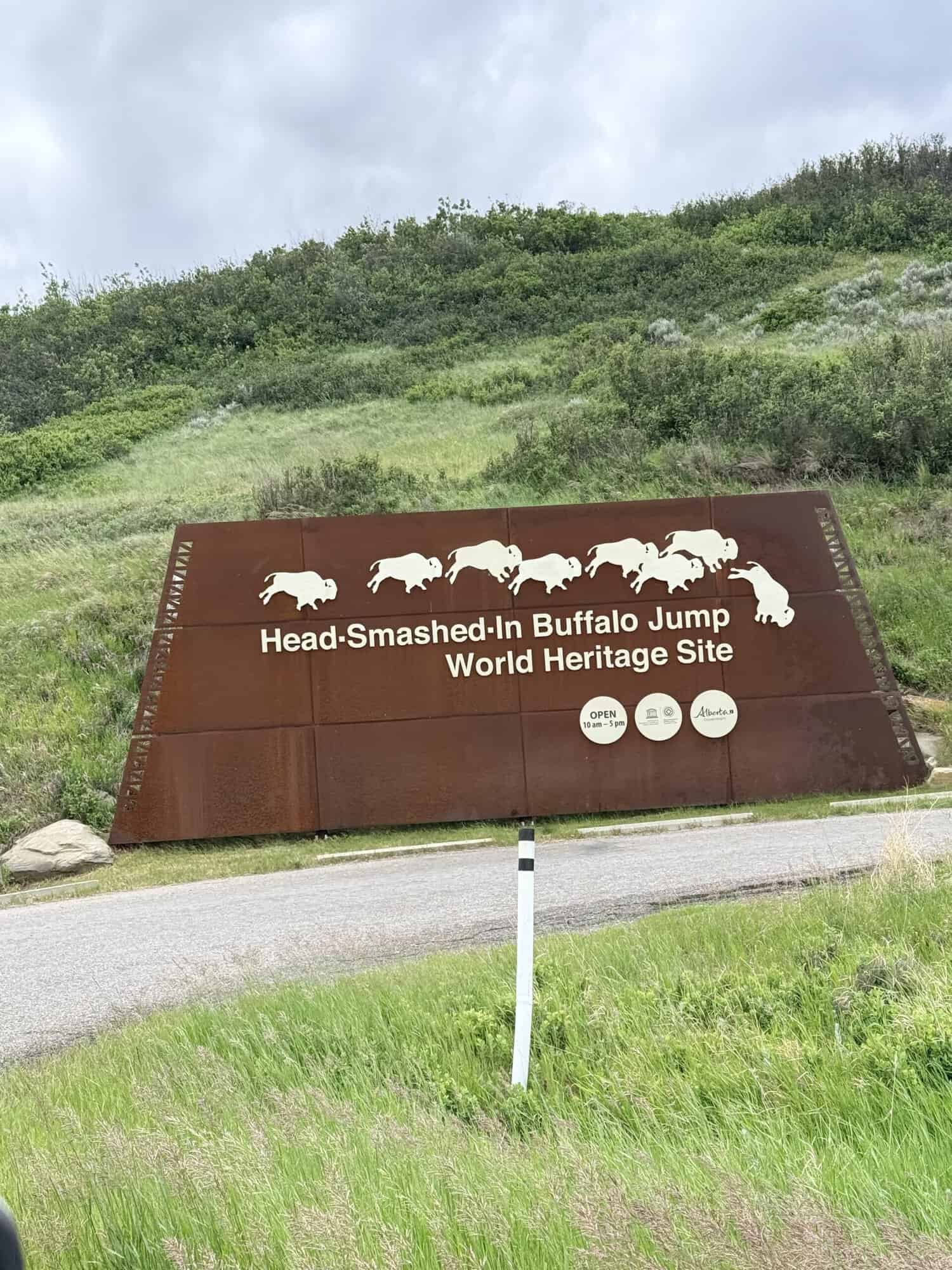
Indigenous peoples of the Northern Plains used their knowledge of animal behaviour and the surrounding terrain to guide bison herds toward a cliff. The animals provided food, hides and other essential materials that supported their communities.
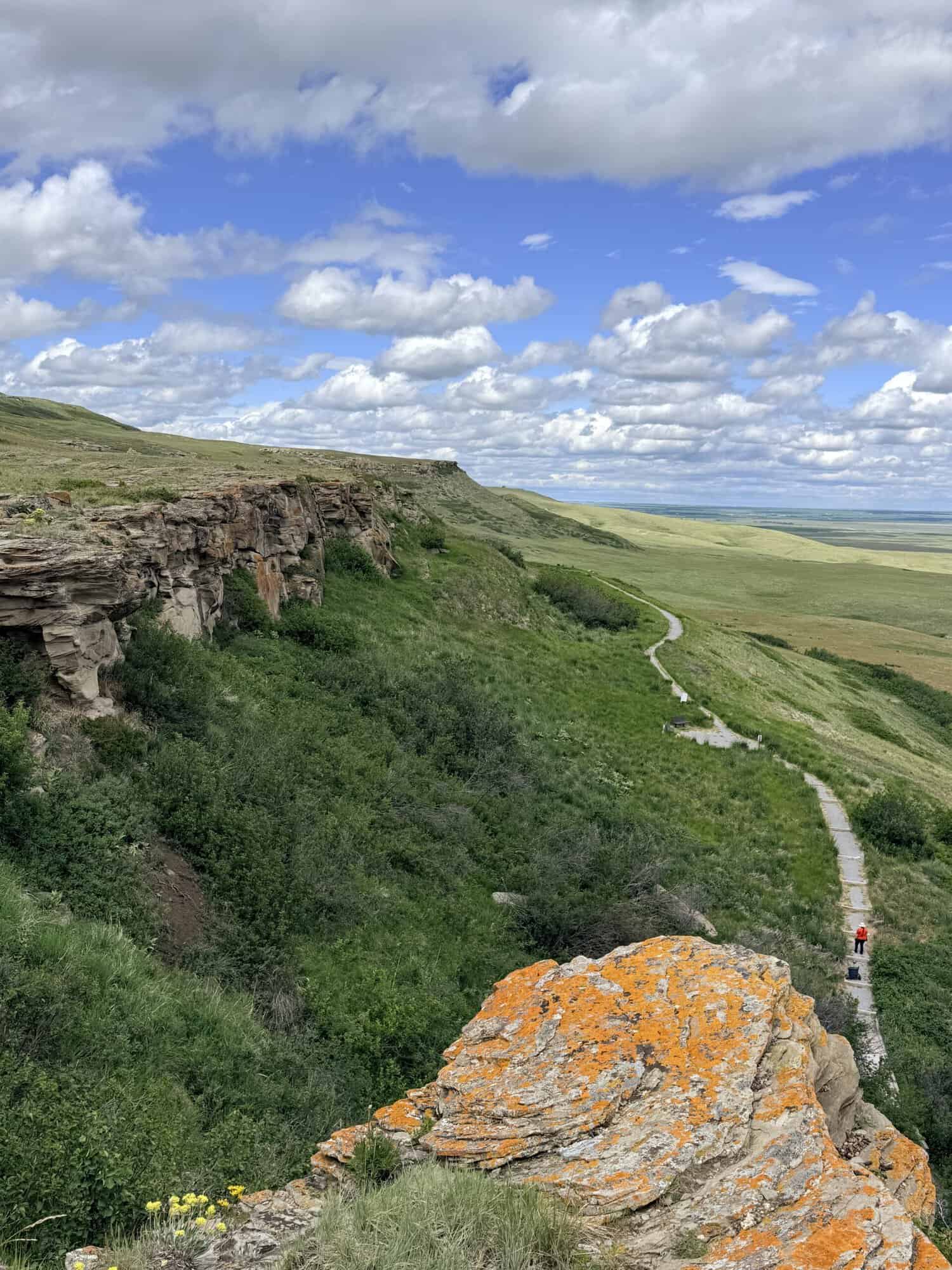
Today, the site offers insight into the traditions and knowledge of Plains Indigenous peoples, particularly the Blackfoot.
What I Recommend at Head-Smashed-In Buffalo Jump
I recommend starting at the interpretive centre, which is built into the hillside. Its exhibits explain how buffalo jumps worked, why bison were important to Indigenous communities, and what archaeologists have discovered.
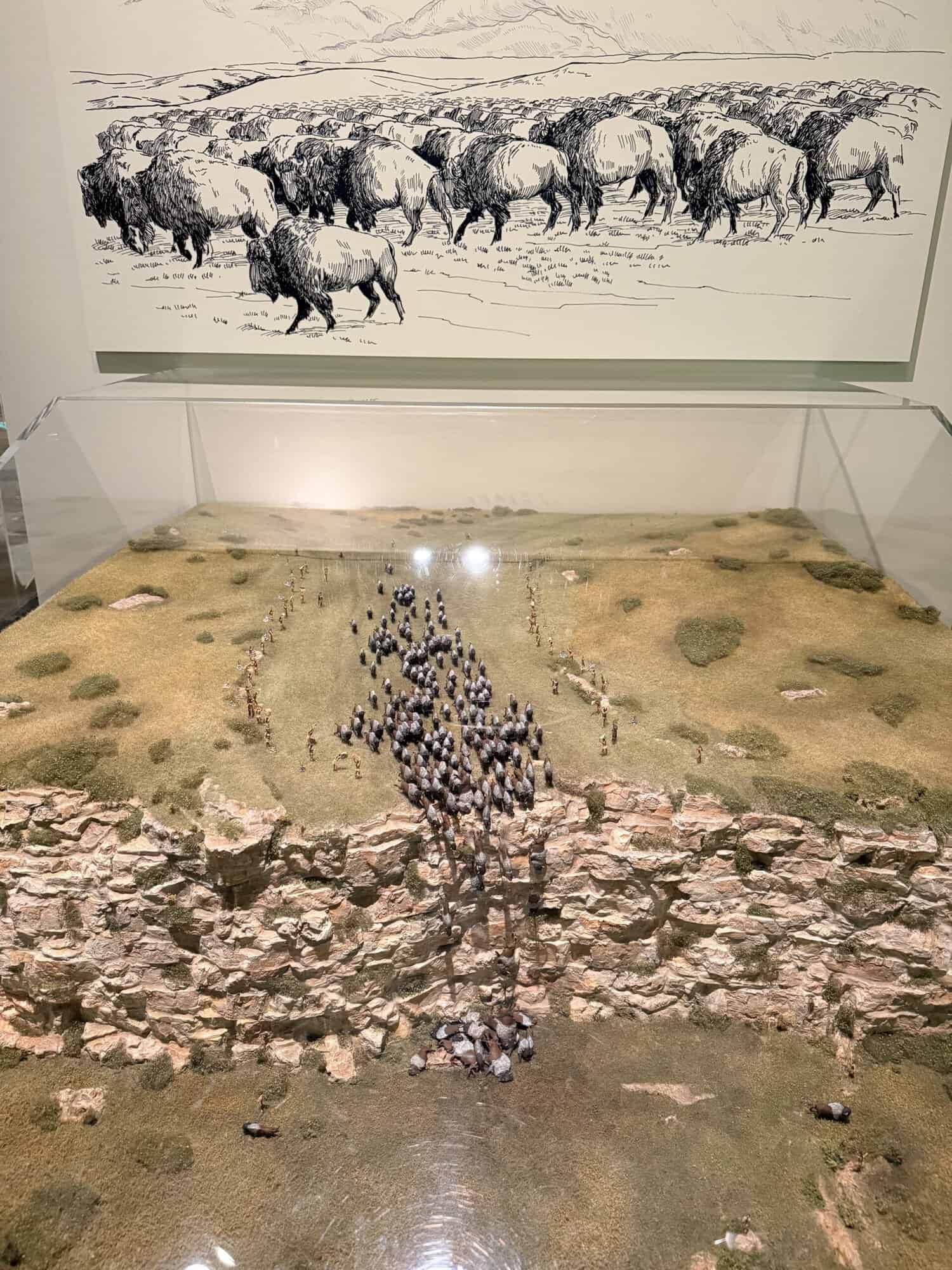
After exploring the exhibits, head outside to see the cliff and surrounding prairie landscape. Understanding the history before seeing the actual location helps put the scale and significance of the site into perspective.
If an interpretive program is available, it’s worth joining to learn more about the traditions connected to this place. Unlike destinations that are primarily about scenery, the stories behind Head-Smashed-In Buffalo Jump make the experience especially meaningful.
Planning Tip: Allow approximately two hours for your visit. It’s a worthwhile stop when travelling through southern Alberta, particularly around Fort Macleod or Lethbridge.
4. Rideau Canal – Ontario
UNESCO designation: 2007
Location: Ottawa to Kingston, Ontario
Best for: Historic waterways, boating, walking and winter skating
Stretching 202 kilometres between Ottawa and Kingston, the Rideau Canal is one of Canada’s most impressive historic engineering achievements. Completed in 1832, it was originally built as a military transportation route connecting the Ottawa River and Lake Ontario.
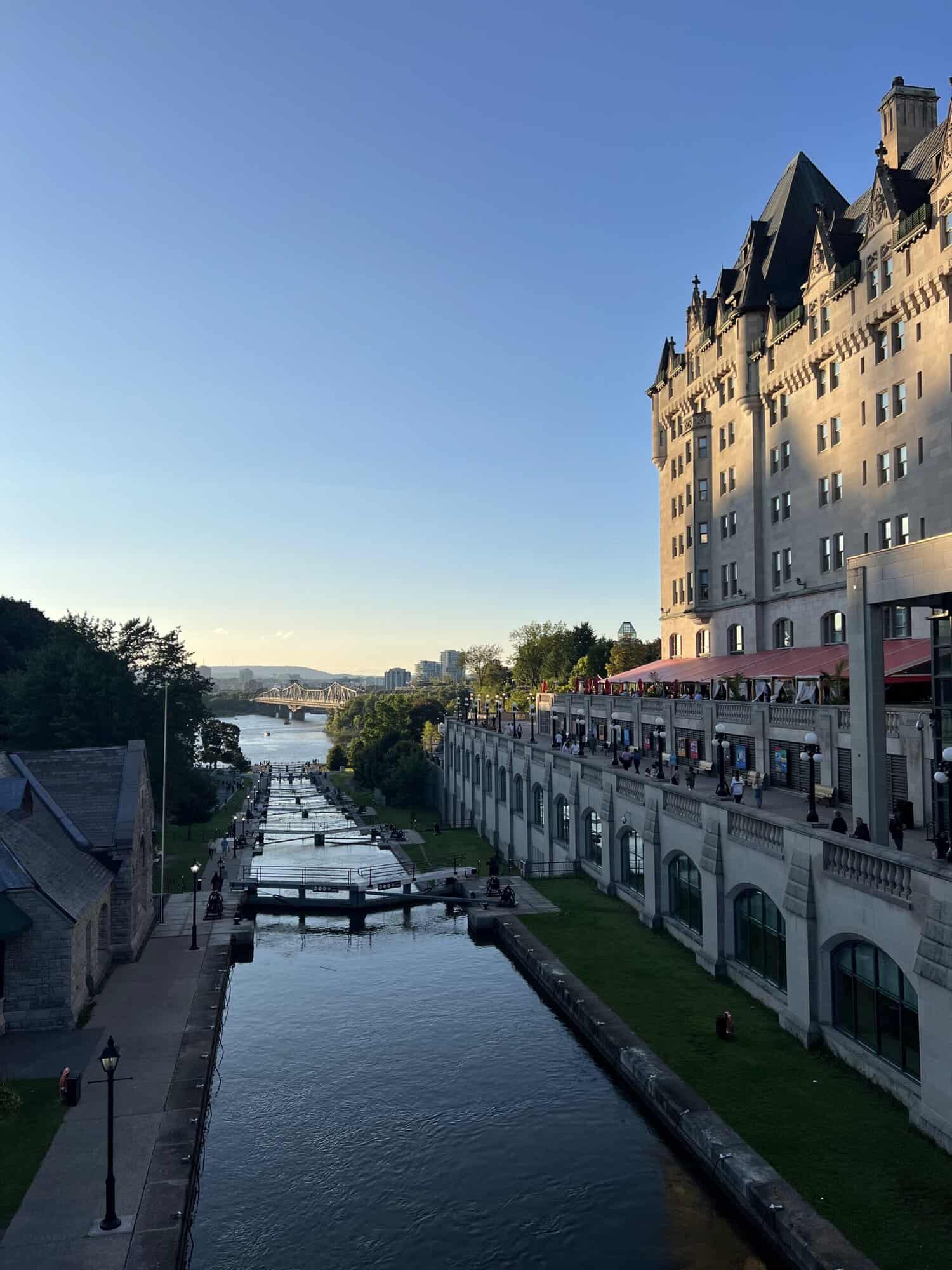
Today, UNESCO recognizes the canal for its preserved 19th-century engineering and historic lock system. It remains an active waterway and one of Ottawa’s most recognizable landmarks.
What I Recommend Along the Rideau Canal
If you’re visiting Ottawa, the historic locks near Parliament Hill are an excellent place to start. Here, you can watch boats move between different water levels and appreciate the engineering behind the canal.
During the warmer months, the canal waterfront is lovely for walking and cycling. Boat cruises and paddling offer another perspective, while quieter sections beyond downtown Ottawa reveal charming communities along the route.
In winter, when conditions allow, part of the canal becomes the famous Rideau Canal Skateway. Skating through downtown Ottawa is one of the city’s most iconic seasonal activities. However, opening dates and the length of the skating season depend on the weather.
Planning Tip: If you only have a few hours in Ottawa, combine a visit to the Ottawa Locks with a walk around Parliament Hill.
5. Historic District of Old Québec – Québec
UNESCO designation: 1985
Location: Québec City, Québec
Best for: Historic architecture, culture, walking and city breaks
Old Québec is one of my favourite places to explore in Canada, and I enjoy returning throughout the seasons. Recognized by UNESCO in 1985, it’s one of North America’s best-preserved examples of a fortified colonial city.
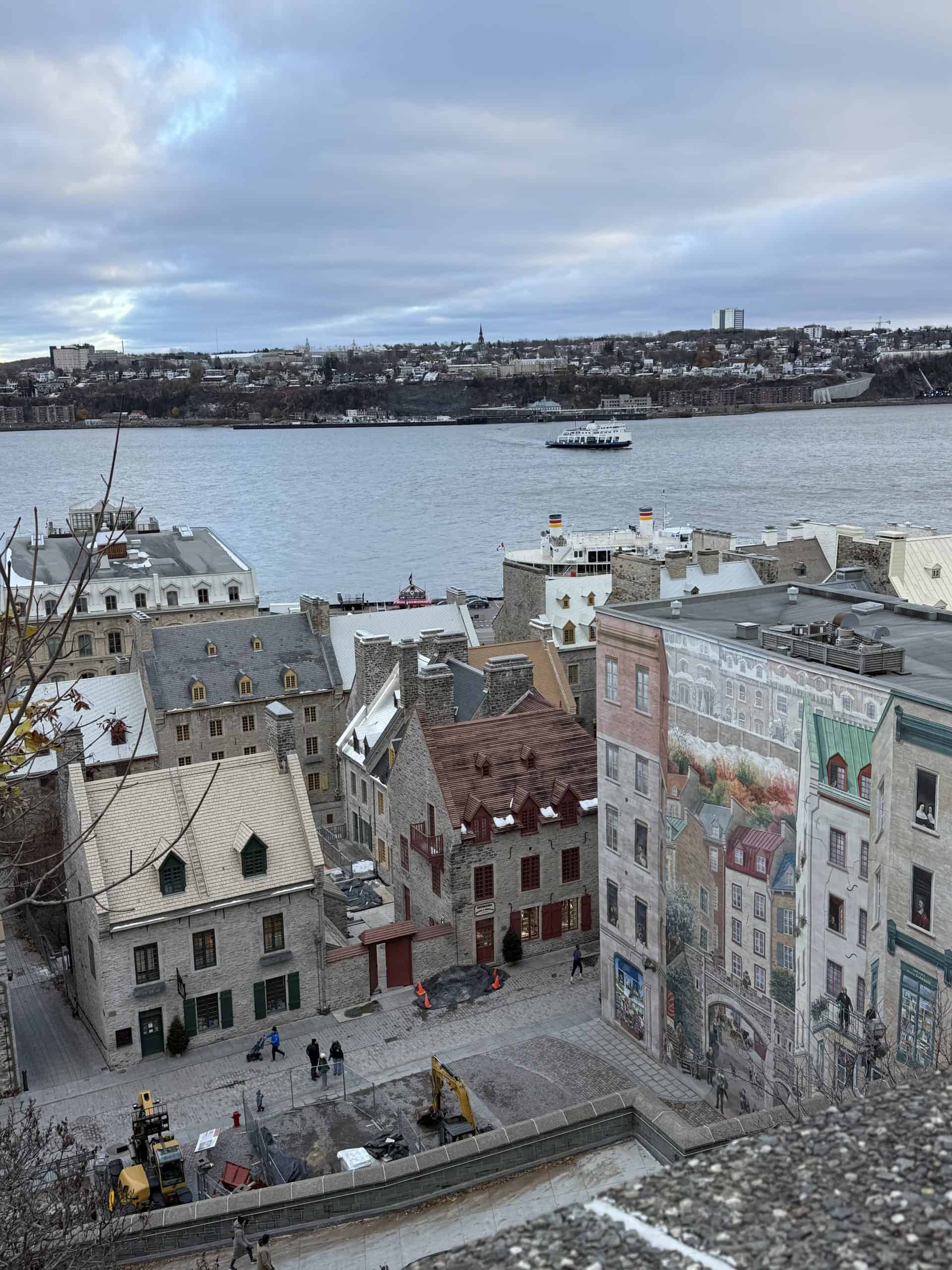
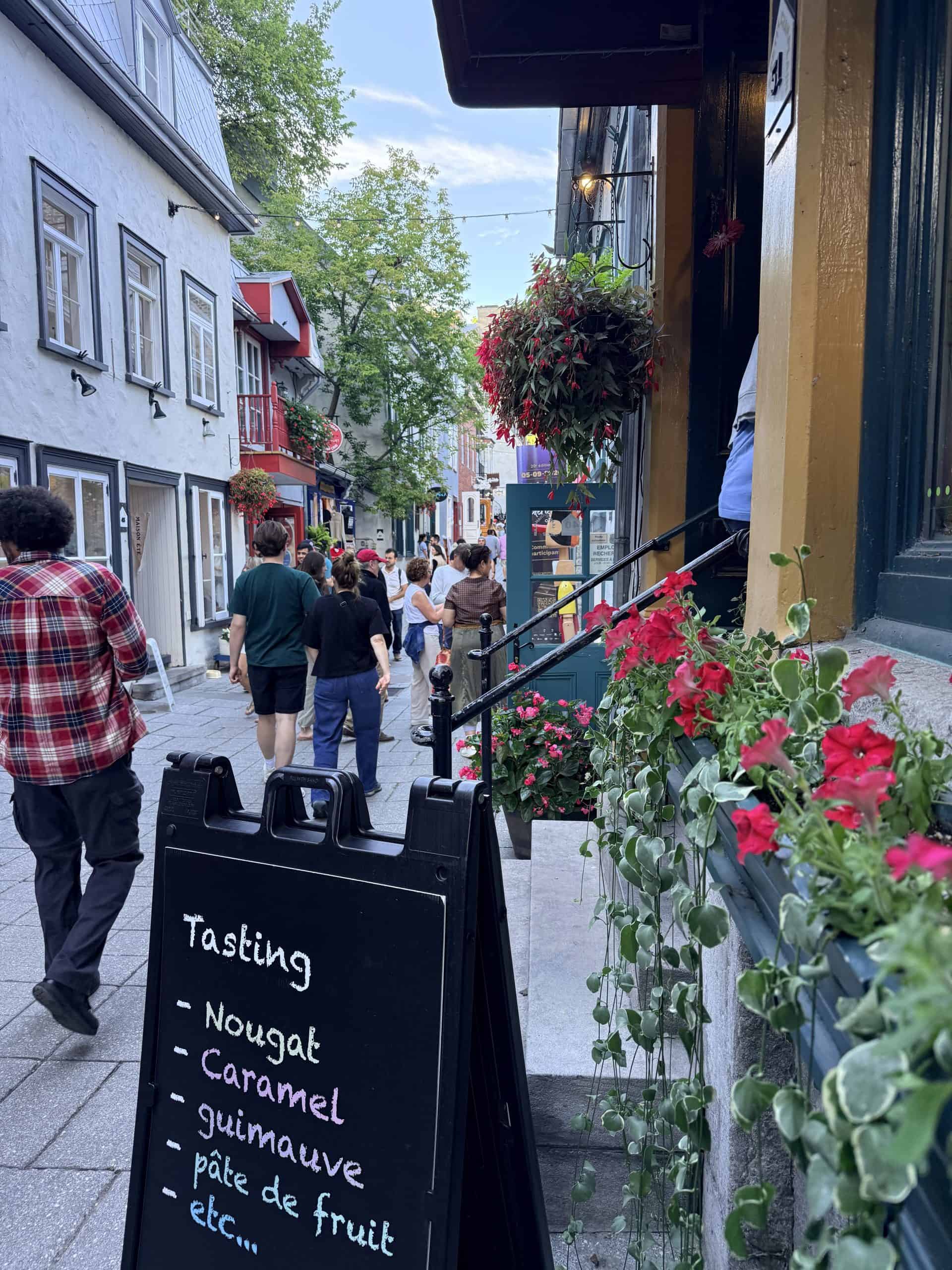
Founded by Samuel de Champlain in 1608, Québec City played an important role in the history of New France. Today, the historic district is filled with centuries-old buildings, cobblestone streets, impressive fortifications and beautiful views of the St. Lawrence River.
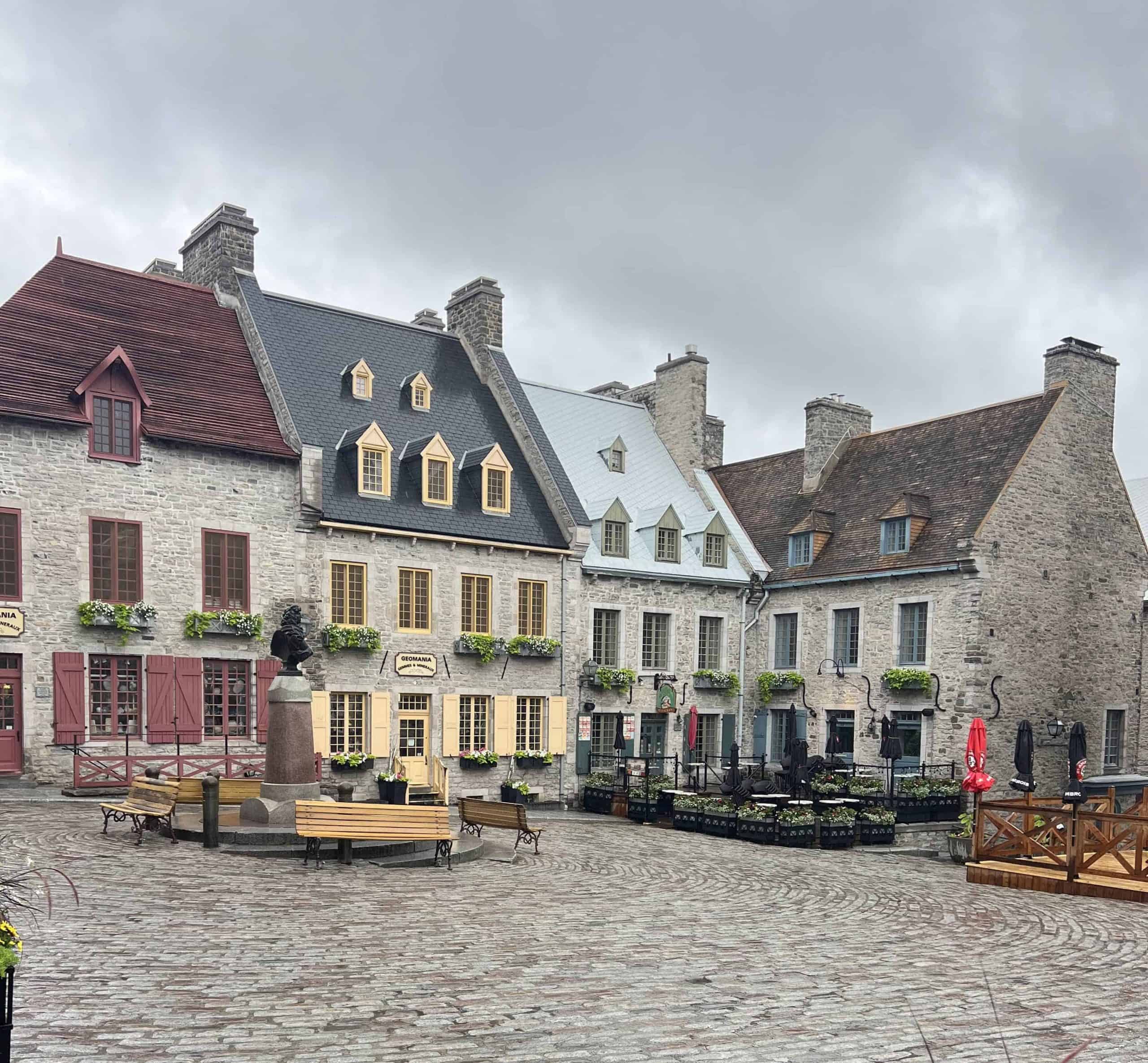
What I particularly love about Old Québec is that it doesn’t feel like an outdoor museum. Behind the historic architecture, you’ll find lively cafés, local restaurants, independent shops and neighbourhoods that remain part of everyday life.
What I Recommend Exploring in Old Québec
The best way to discover Old Québec is on foot, allowing time to wander through Upper and Lower Town. I recommend starting near Château Frontenac, one of Canada’s most recognizable landmarks. Then, walk along Terrasse Dufferin for beautiful views of the St. Lawrence River.
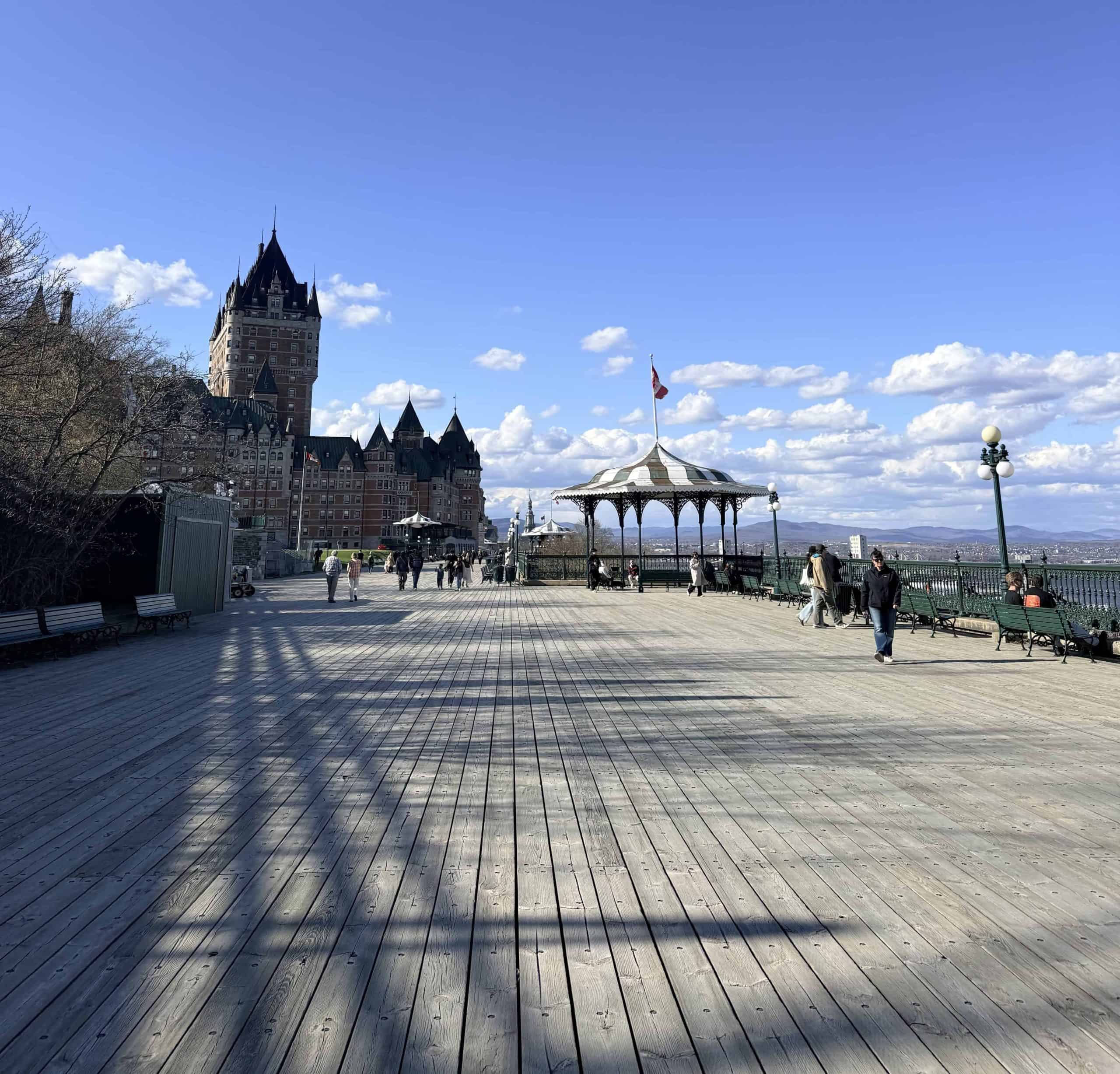
From there, explore the streets around Rue Saint-Louis and the historic fortifications before heading downhill toward Quartier Petit-Champlain. This charming pedestrian neighbourhood is filled with boutiques and restaurants. Nearby Place Royale is one of my favourite spots to stop for a coffee and admire the historic stone buildings.
If you have extra time, take the Québec–Lévis ferry across the St. Lawrence River. The short crossing offers one of the best views of Château Frontenac and the city’s skyline, particularly in the late afternoon.
You could easily spend a full day discovering Old Québec without following a strict schedule. For a complete route that includes nearby attractions, follow my 2-day Québec City itinerary. I’ve also put together my 25 favourite things to do in Québec City if you want to explore beyond the UNESCO district.
Planning Tip: Old Québec is beautiful year-round, but each season offers a different experience. Summer brings lively patios and long evenings, while winter transforms the streets with snow and festive decorations. My Québec City winter guide covers the best activities during the colder months.
6. Miguasha National Park – Québec
UNESCO designation: 1999
Location: Gaspésie, Québec
Best for: Fossils, natural history and coastal landscapes
Miguasha National Park might be one of Canada’s lesser-known UNESCO World Heritage Sites, but its scientific importance is remarkable. Located along Chaleur Bay in Québec’s Gaspésie region, the park protects fossil-rich cliffs that document a fascinating period in Earth’s history.
The fossils date back approximately 380 million years to the Devonian Period, often called the Age of Fishes. Miguasha is especially significant for its preserved fossil fish. These discoveries provide valuable evidence about the evolution of vertebrates and their eventual transition from water to land.
What I Recommend at Miguasha National Park
If you’re planning a road trip around the Gaspé Peninsula, Miguasha is worth including, especially if you enjoy natural history and geology.
The park’s main attraction is its natural history museum, where exhibits showcase fossils discovered in the surrounding cliffs. They also explain why these specimens are so important to our understanding of evolution.
You can explore the coastal setting and learn about the geological formations exposed along Chaleur Bay. Guided activities, when available, offer additional insight into the fossil discoveries and the importance of protecting the site.
Unlike Canada’s larger national parks, Miguasha is relatively compact. You can comfortably incorporate it into a day of exploring the region without dedicating several days to the visit.
Planning Tip: Allow approximately two to three hours for the museum and park. Check the operating schedule before travelling, as services and guided activities vary by season.
How to Include These UNESCO Sites in a Canada Road Trip
One of the easiest ways to experience Canada’s UNESCO World Heritage Sites is to incorporate them into a longer road trip. Rather than planning an entire vacation around individual landmarks, I recommend combining them with other regional highlights.
Alberta and the Canadian Rockies
Alberta is particularly well suited for this, with three of my recommendations located within the province. You could explore Head-Smashed-In Buffalo Jump and Dinosaur Provincial Park while travelling through southern Alberta, then continue west toward Banff and the Rockies.
The distances are considerable, so allow several days and plan your route carefully. If you have additional time, Jasper and Yoho are also worth including.
Québec and Eastern Canada
In Québec, Old Québec and Miguasha National Park make two interesting stops on a longer road trip. Start with a few days in Québec City before continuing toward the Gaspé Peninsula. Along the way, the scenery gradually shifts toward coastal landscapes and small seaside communities.
The Rideau Canal is an easy addition to an Ottawa visit, particularly if you’re travelling between Ontario and Québec.
During my own cross-country journey, I discovered how much Canada’s landscapes change from one region to another. If you’re considering a similar adventure, my Canada road trip itinerary from Québec to Vancouver shares the route I followed and the highlights worth including.
Final Thoughts on Canada’s UNESCO World Heritage Sites
What I love most about Canada’s UNESCO World Heritage Sites is how different each experience can be. Whether you’re standing among the peaks of the Canadian Rockies, learning about Indigenous history in southern Alberta or wandering through Old Québec, these places connect you to the landscapes and stories that have shaped the country.
You don’t need to visit all 22 UNESCO sites to appreciate what makes them special. Choose the destinations that genuinely interest you, build them into your travels, and give yourself enough time to enjoy the experience.
If you’re looking for more inspiration, explore my Canada travel guides for destination ideas, road trip itineraries and practical recommendations.
Have you visited any UNESCO World Heritage Sites in Canada? Which one would you recommend, or which is next on your bucket list? Share your favourites in the comments. I’d love to hear about them!