14 Best Things to Do in Jasper National Park
If you’re looking for the best things to do in Jasper National Park, you’ll find everything from glacier-fed lakes and powerful waterfalls to mountain hikes, wildlife encounters, and some of the most spectacular scenery in the Canadian Rockies.
I visited Jasper during my two-month road trip across Canada in summer 2026, arriving from Banff via the Icefields Parkway. While Banff gets much of the attention, Jasper has a quieter, more rugged atmosphere, with a small mountain town surrounded by vast wilderness.
From riding the Jasper SkyTram to watching elk wander near my campground, here are 14 experiences worth considering, including my personal highlights and a few additional recommendations to help you plan your visit.
Planning note: Jasper is still recovering from the devastating 2024 wildfire. Some attractions remain closed, and I’ll explain the important restrictions throughout this guide.
This post contains affiliate links. If you make a booking or purchase through one of these links, I may earn a small commission at no additional cost to you. Your support helps me continue creating honest, firsthand travel guides—thank you! Read my full affiliate disclosure for more information.
Best Things to Do in Jasper National Park
1. Ride the Jasper SkyTram for Panoramic Mountain Views
The Jasper SkyTram is one of the best ways to enjoy panoramic views of Jasper National Park without committing to a challenging hike. The tram climbs Whistlers Mountain, offering incredible views of the surrounding peaks, the Athabasca River, and Jasper town far below.
Once you reach the upper station, at approximately 2,263 metres, you can admire the scenery from the viewing areas or continue hiking toward Whistlers Summit for an even higher perspective. It’s a great option for visitors who want to experience the mountains without spending hours on a trail.
Allow around two hours for the experience, or longer if you plan to hike to the summit. Even during summer, temperatures can be considerably cooler at the top, so bring an extra layer and check the weather before booking.
2. Explore the Powerful Athabasca Falls
Located approximately 30 kilometres south of Jasper, Athabasca Falls is one of the most accessible and impressive waterfalls in the national park.
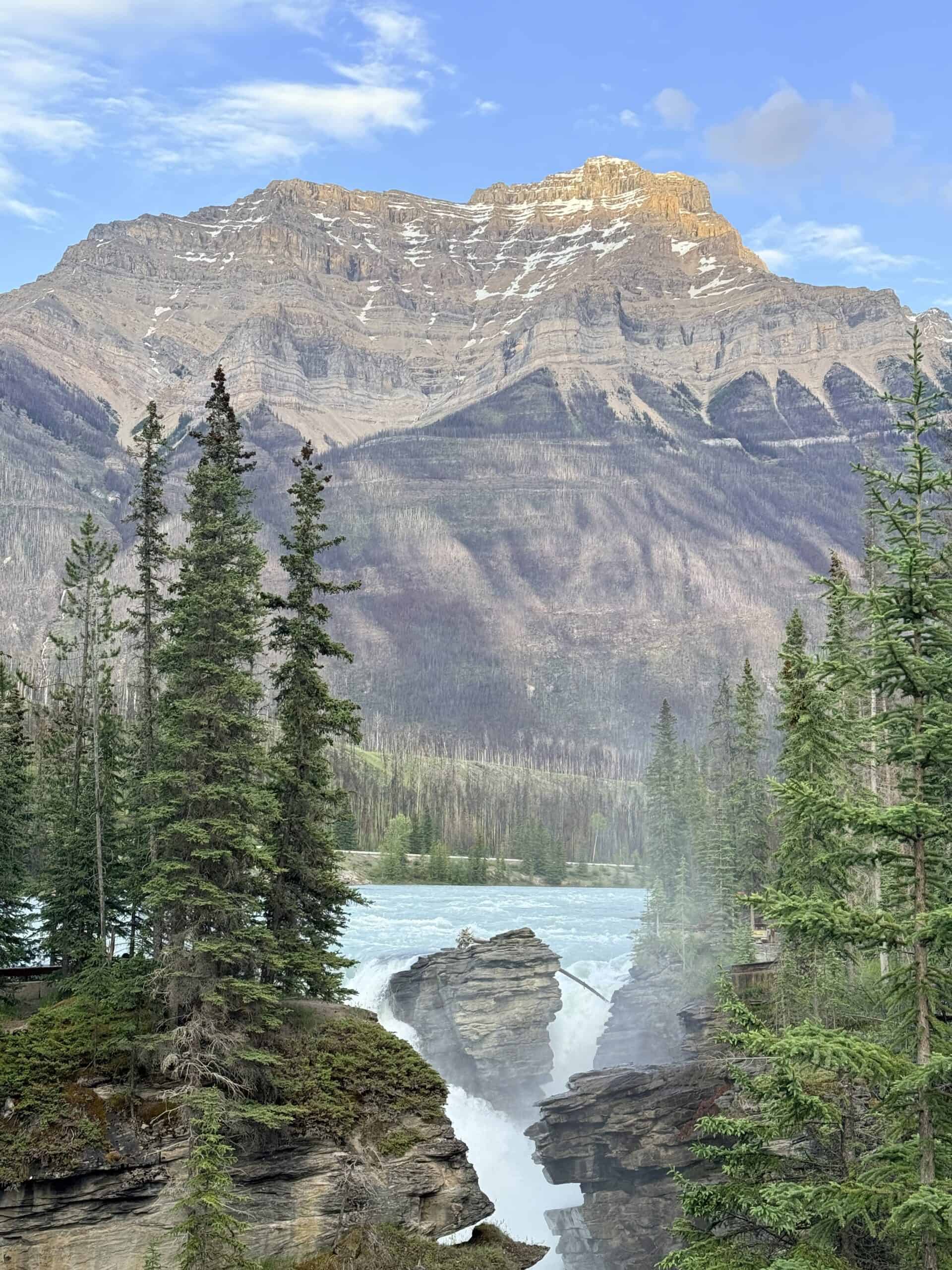
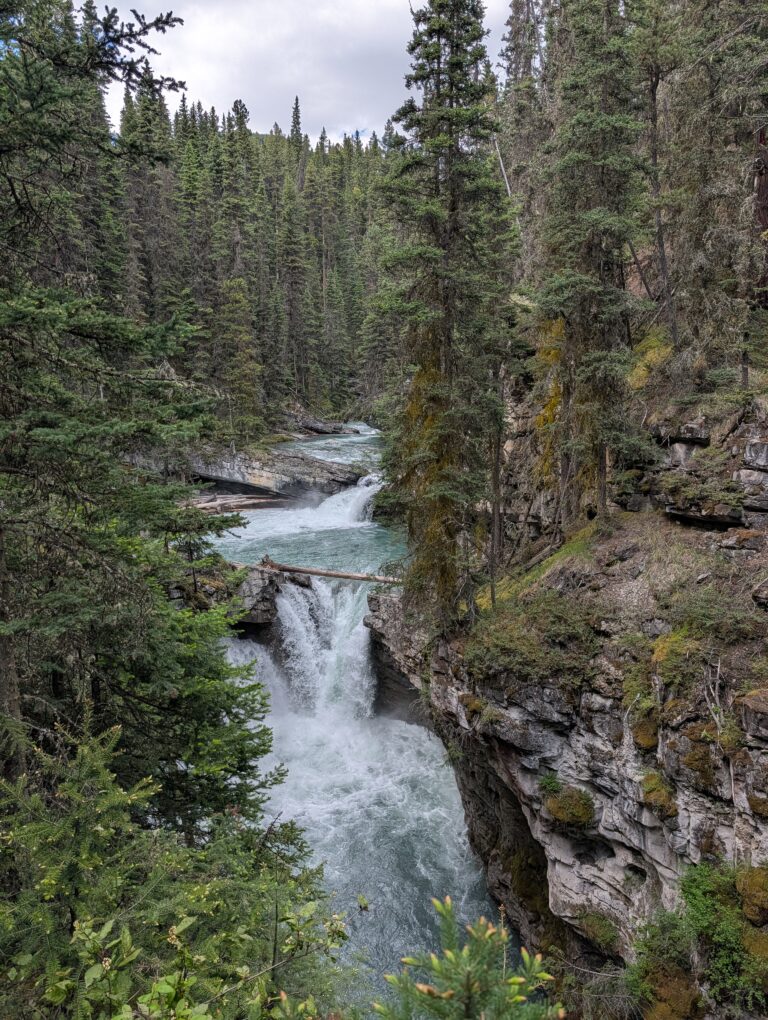
What makes it remarkable isn’t its height but the sheer volume and force of water rushing through a narrow limestone gorge. Several short walking paths connect different viewpoints, giving you a closer look at the falls and the canyon carved by the Athabasca River.
I stopped here during my drive along the Icefields Parkway and found it well worth the time. Allow around 30–45 minutes to explore the viewpoints without rushing, and stay behind the safety barriers, as the rocks near the water can be extremely slippery.
If you’re travelling between Banff and Jasper, this is one of the easiest attractions to incorporate into your route. My guide to the best Icefields Parkway stops includes Athabasca Falls alongside the other scenic places I visited during the drive.
3. Discover Maligne Lake and Spirit Island
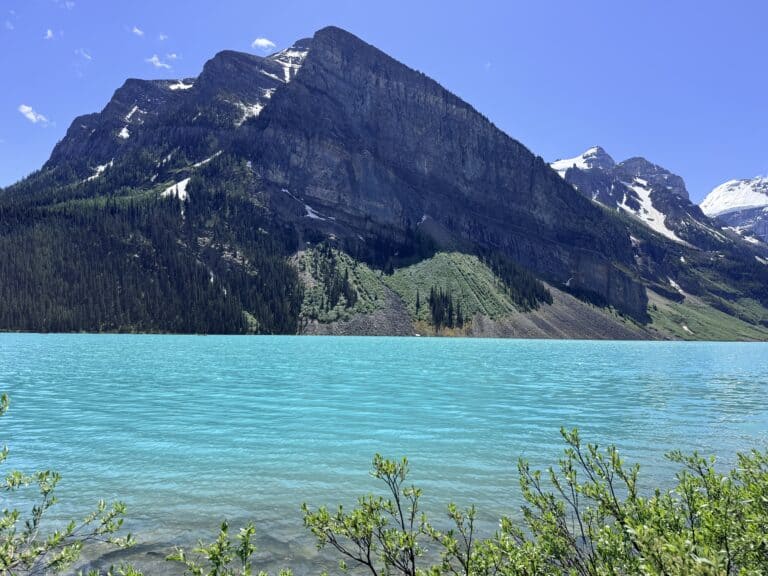
Maligne Lake is one of Jasper National Park’s most photographed destinations, known for its brilliant blue water, dramatic mountain backdrop, and iconic Spirit Island.
Located approximately 48 kilometres from Jasper town, the lake is a popular destination for boat cruises, canoeing, and lakeside walks. The Maligne Lake Cruise takes visitors toward Spirit Island, where you can enjoy one of the most recognizable views in the Canadian Rockies.
Although I didn’t make it to Maligne Lake during my summer 2026 visit, it’s a place I’d consider adding to a future Jasper itinerary. If you prefer exploring on foot, there are also hiking opportunities around the lake, including the relatively easy Mary Schäffer Loop.
Important: Maligne Lake and Maligne Canyon are two different attractions. Maligne Canyon was severely affected by the 2024 wildfire and remains closed until further notice. I wasn’t able to visit the canyon during my trip, but Maligne Lake was accessible during the 2026 summer season.
If you’re planning to visit the lake, allow at least half a day for the drive and activities, and check seasonal cruise availability before booking.
4. Hike the Valley of the Five Lakes
If you want to experience the colourful lakes that make the Canadian Rockies famous, the Valley of the Five Lakes is one of the best hikes near Jasper.
This approximately 4.5-kilometre loop takes you through forested terrain and past five beautiful lakes, each displaying slightly different shades of blue and green. It’s a moderately challenging hike that most reasonably active visitors can complete in around two hours, depending on how often they stop.
The trail was affected by the 2024 wildfire but reopened in summer 2026 following restoration work. You may notice areas of burned forest alongside new vegetation, offering an interesting glimpse into the landscape’s recovery.
I’d recommend starting early during July and August, when parking can fill quickly. Bring comfortable hiking shoes, water, and bear spray, and check trail conditions before setting out.
5. Drive the Icefields Parkway
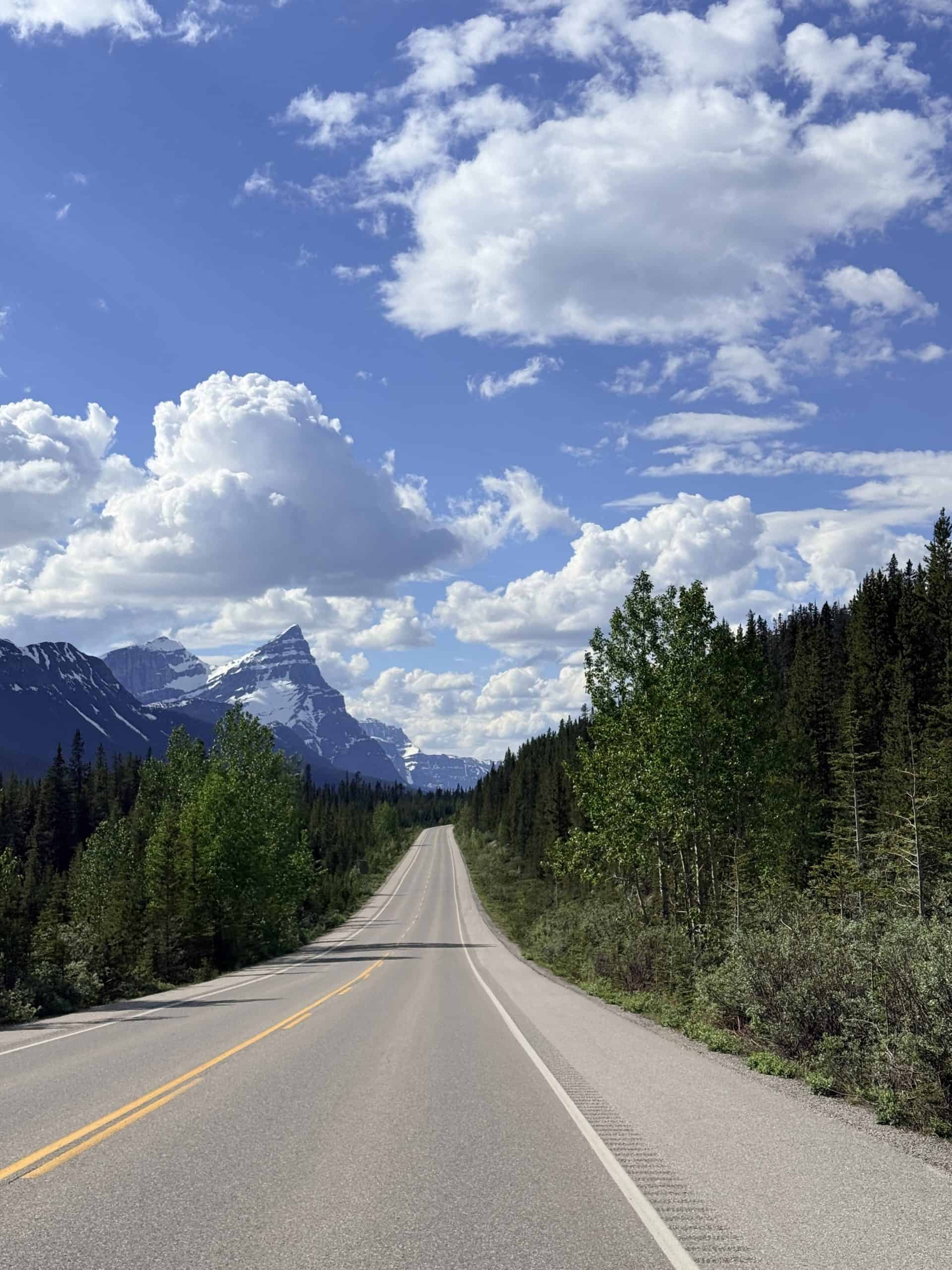
If there’s one scenic drive you shouldn’t miss in the Canadian Rockies, it’s the Icefields Parkway between Lake Louise and Jasper.
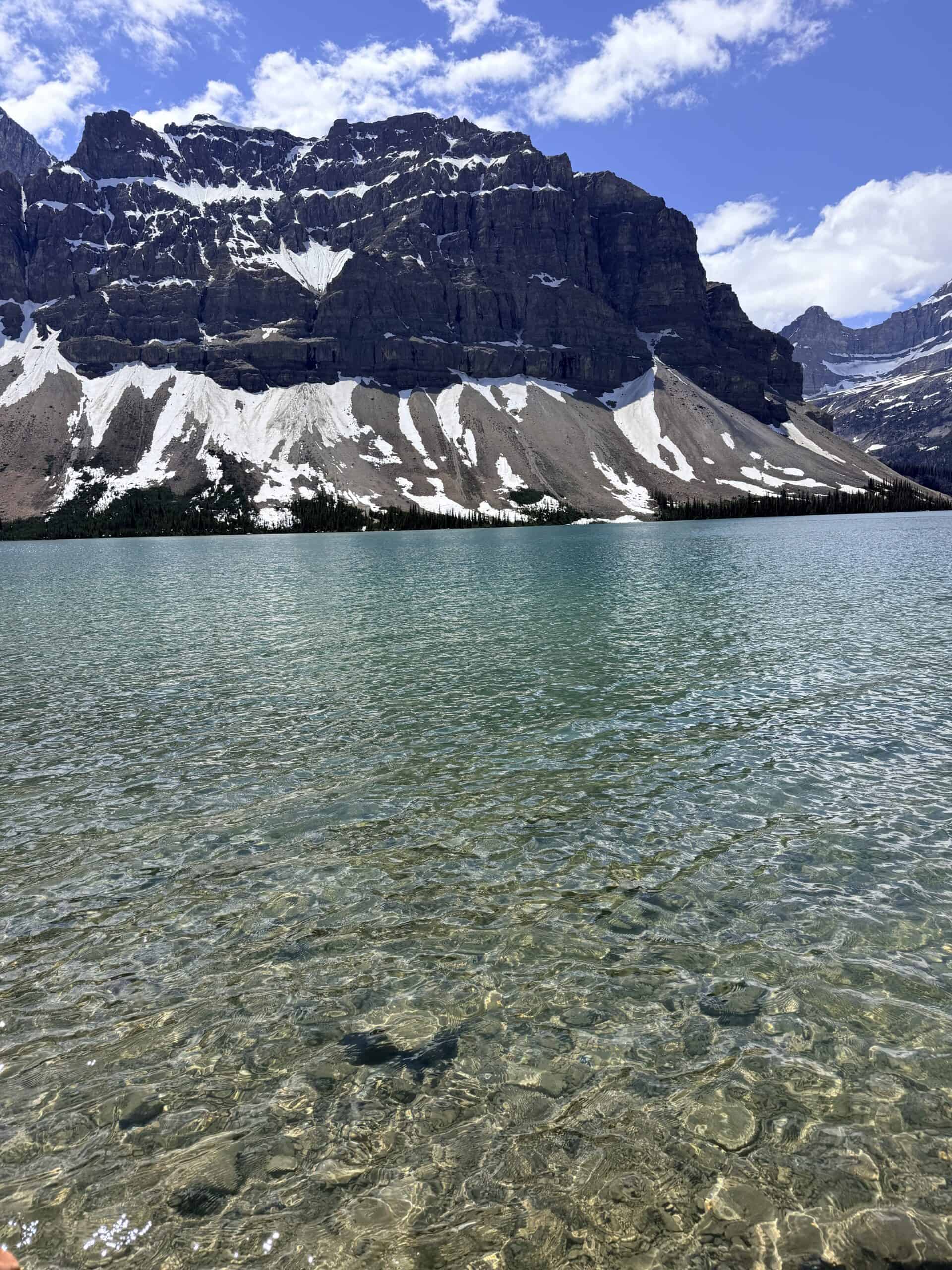
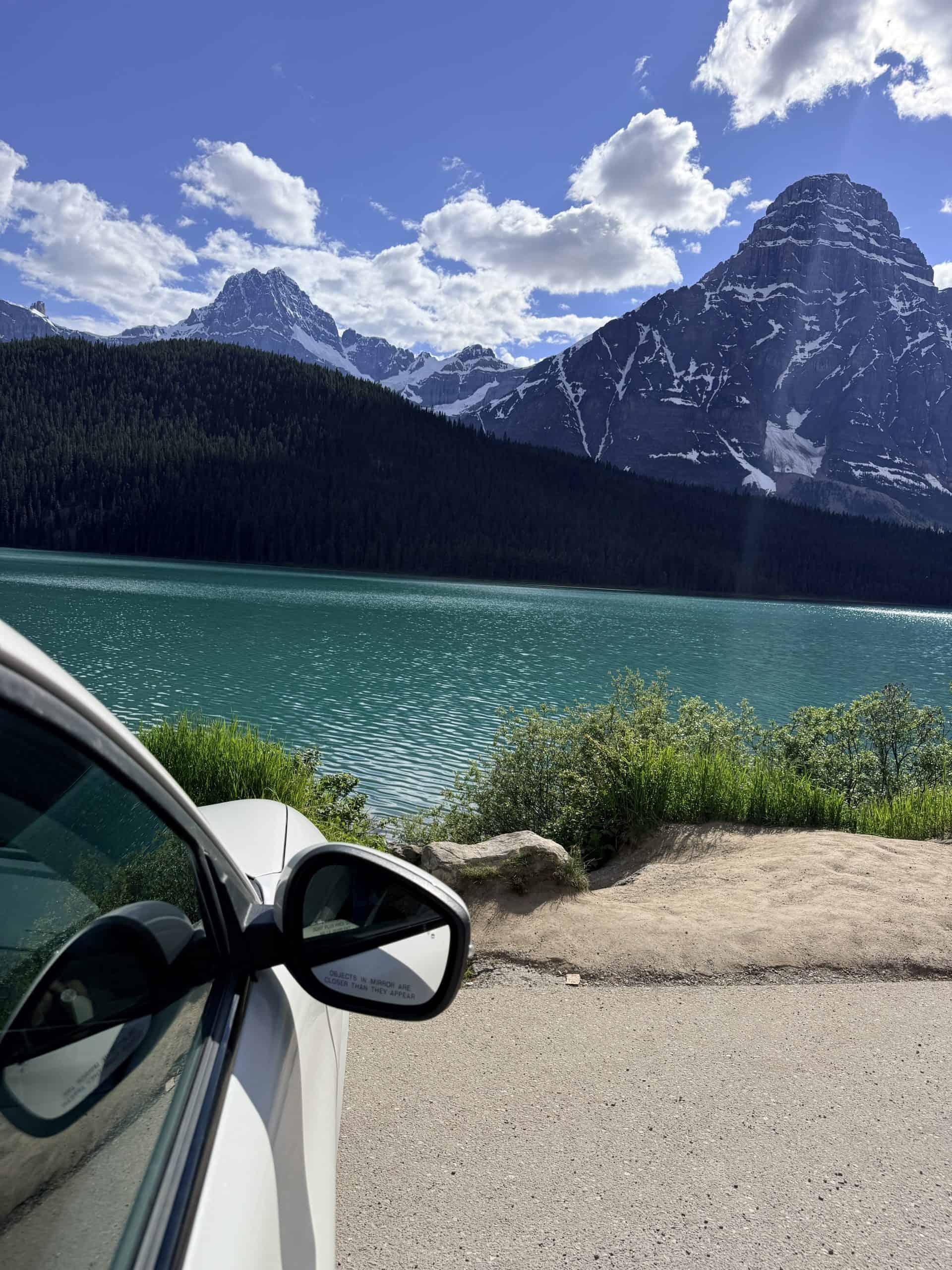
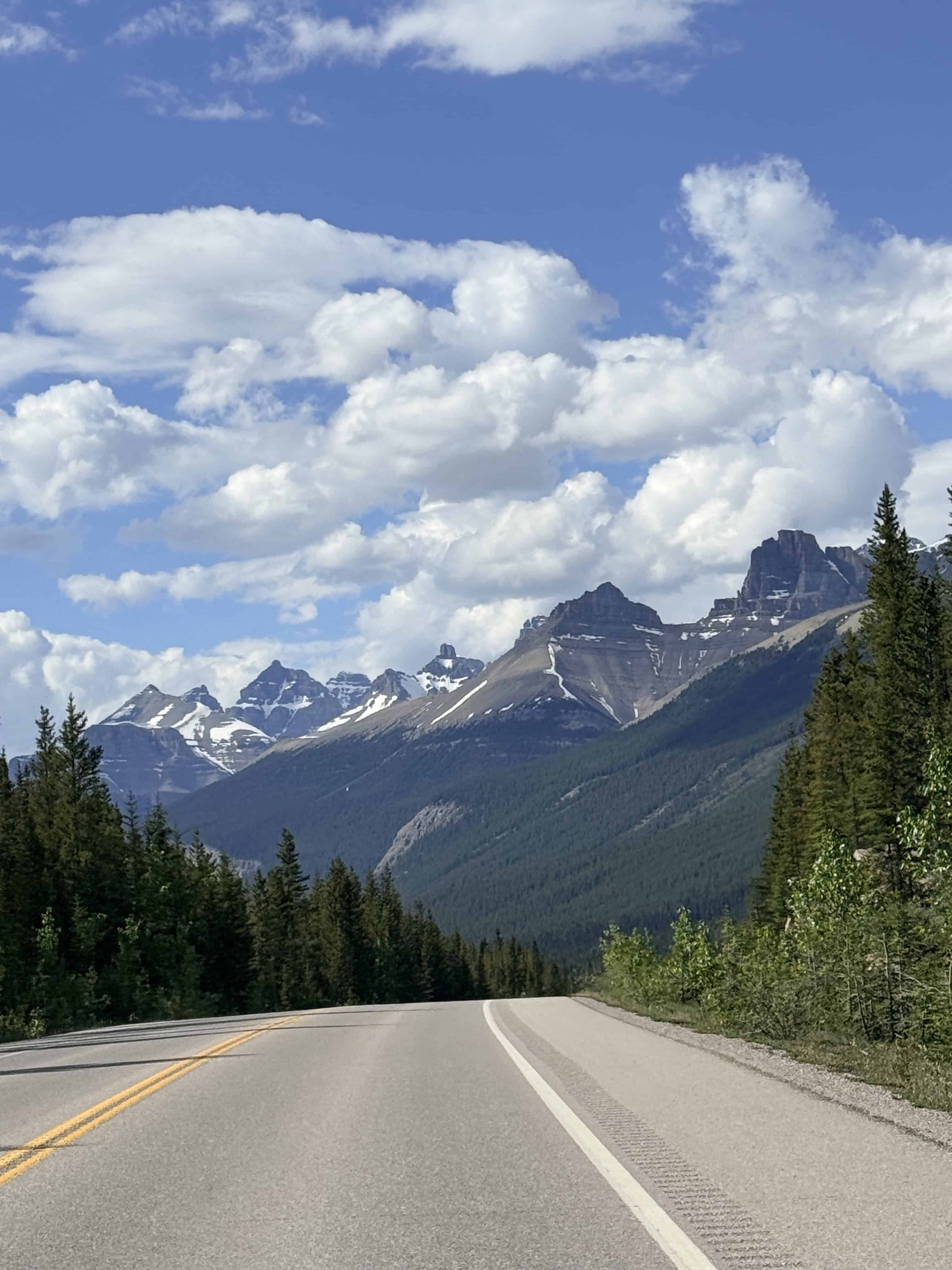
Stretching approximately 232 kilometres through Banff and Jasper National Parks, this highway passes glaciers, turquoise lakes, waterfalls, and some of the most dramatic mountain landscapes in Canada.
I drove the route from Lake Louise toward Jasper at the end of June, stopping at Bow Lake, Peyto Lake, the Athabasca Glacier, and several viewpoints along the way. Even after spending days exploring Banff, the scenery continued to surprise me. There was still snow higher in the mountains, while the valleys below were turning green for summer. For one of those stops, my Peyto Lake guide covers the main viewpoint, parking and my experience continuing toward Bow Summit.
You can drive the highway in approximately three to four hours without extended stops, but I’d dedicate a full day to the experience. Part of what makes this route extraordinary is having the freedom to pull over when something catches your eye.
There are limited services and little reliable cellular coverage along much of the highway, so download offline maps and plan your fuel or charging stops before leaving.
My Icefields Parkway road trip guide follows the route I drove, including where to stop, how much time to allow, and which viewpoints I enjoyed most.
6. Visit Sunwapta Falls
Another worthwhile stop along the Icefields Parkway is Sunwapta Falls, located approximately 55 kilometres south of Jasper.
The waterfall is particularly photogenic because the river splits around a small island before plunging into a narrow gorge. You can reach the upper viewpoints within a few minutes of leaving the parking area, making this an easy stop even on a busy sightseeing day.
If you have more time, a trail continues toward Lower Sunwapta Falls, offering a quieter experience away from the main viewpoint.
I’d combine Sunwapta Falls with Athabasca Falls and the Columbia Icefield rather than making separate trips from Jasper. They’re all located along the same scenic highway, making it easy to organize your stops without unnecessary backtracking.
7. Walk Toward the Athabasca Glacier
Of all the places I visited along the Icefields Parkway, the Toe of the Athabasca Glacier Trail left one of the strongest impressions.
The trail leads toward a designated viewpoint overlooking the glacier, but what stayed with me most were the markers showing where the ice had reached in previous decades. Walking past them made the glacier’s retreat incredibly tangible.
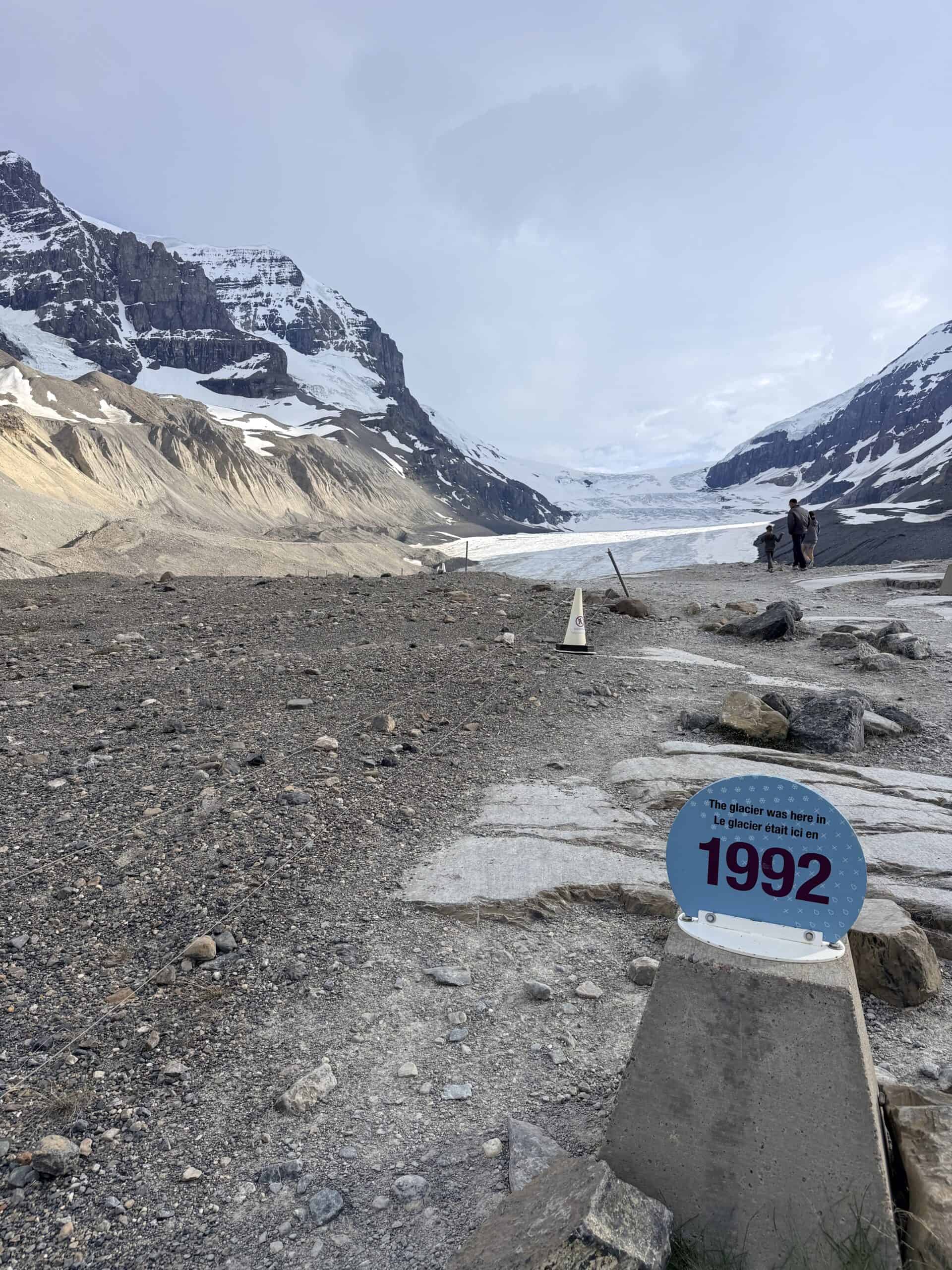
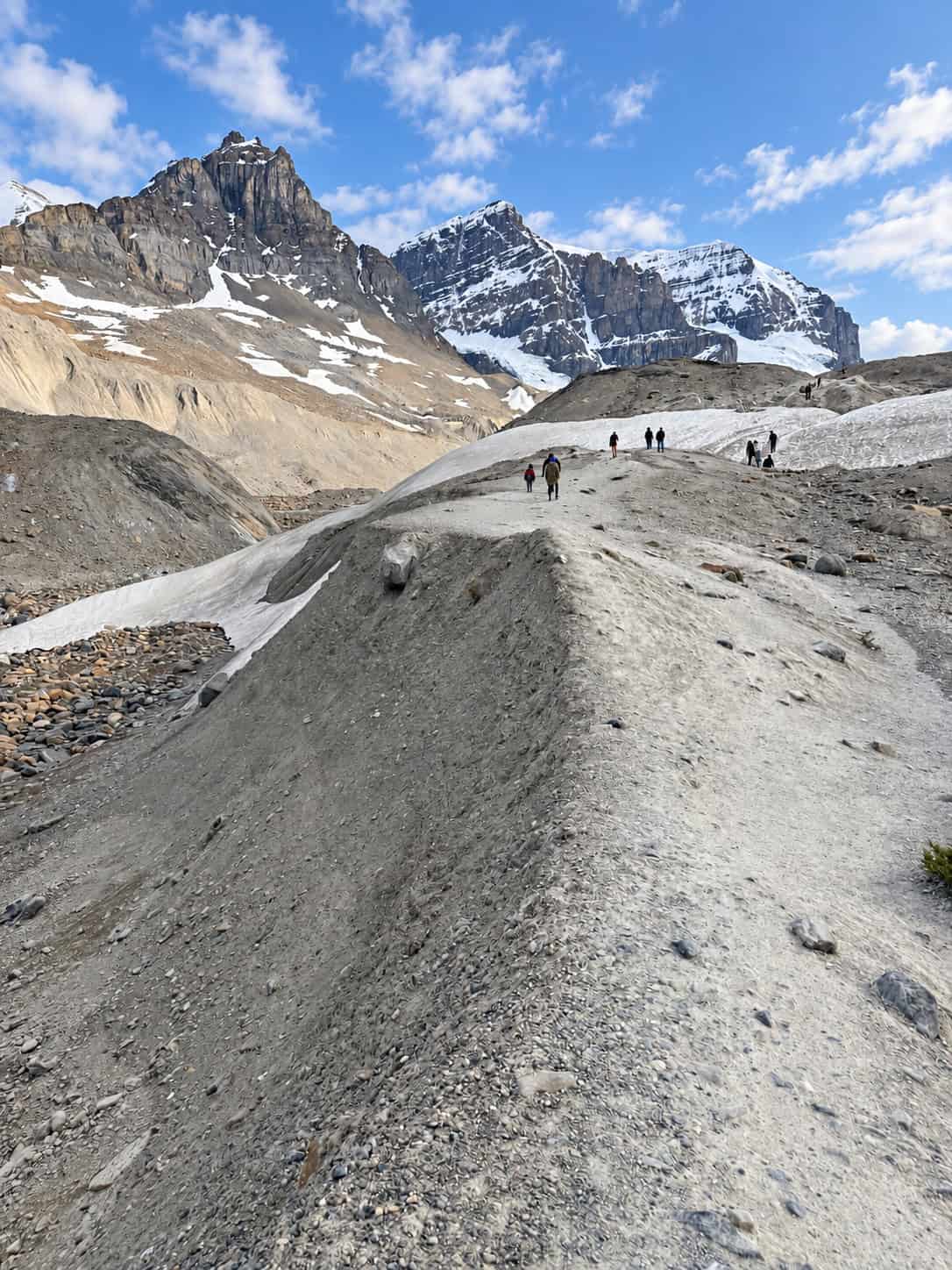
We hear about climate change constantly, but physically seeing the distance between those markers and the present-day ice was a completely different experience. It was a reminder of how quickly these landscapes are changing, even in places that appear almost timeless.
You can admire the glacier independently from the designated trail or book a guided excursion onto the ice through an authorized operator. The nearby Columbia Icefield Skywalk is another option if you’re interested in a paid attraction.
I share more about this experience, including the glacier markers and surrounding viewpoints, in my Icefields Parkway guide.
8. Watch for Wildlife in Jasper National Park
Wildlife encounters were among the most memorable parts of my time in Jasper.
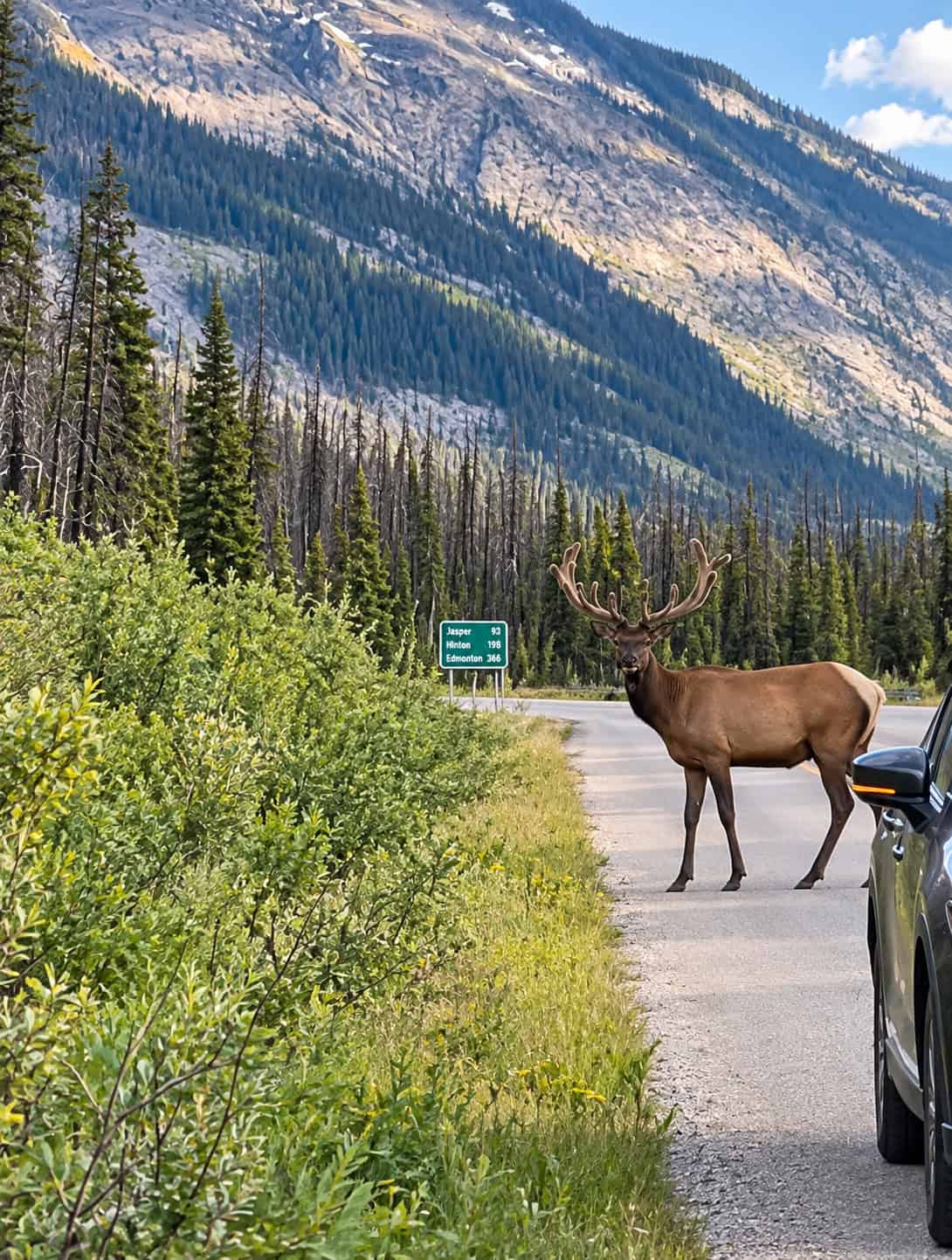
I stayed at Whistlers Campground, where I spotted elk wandering through the area, sometimes surprisingly close to the campsites. I also encountered wildlife while driving through the Rockies, including black bears and bighorn sheep.
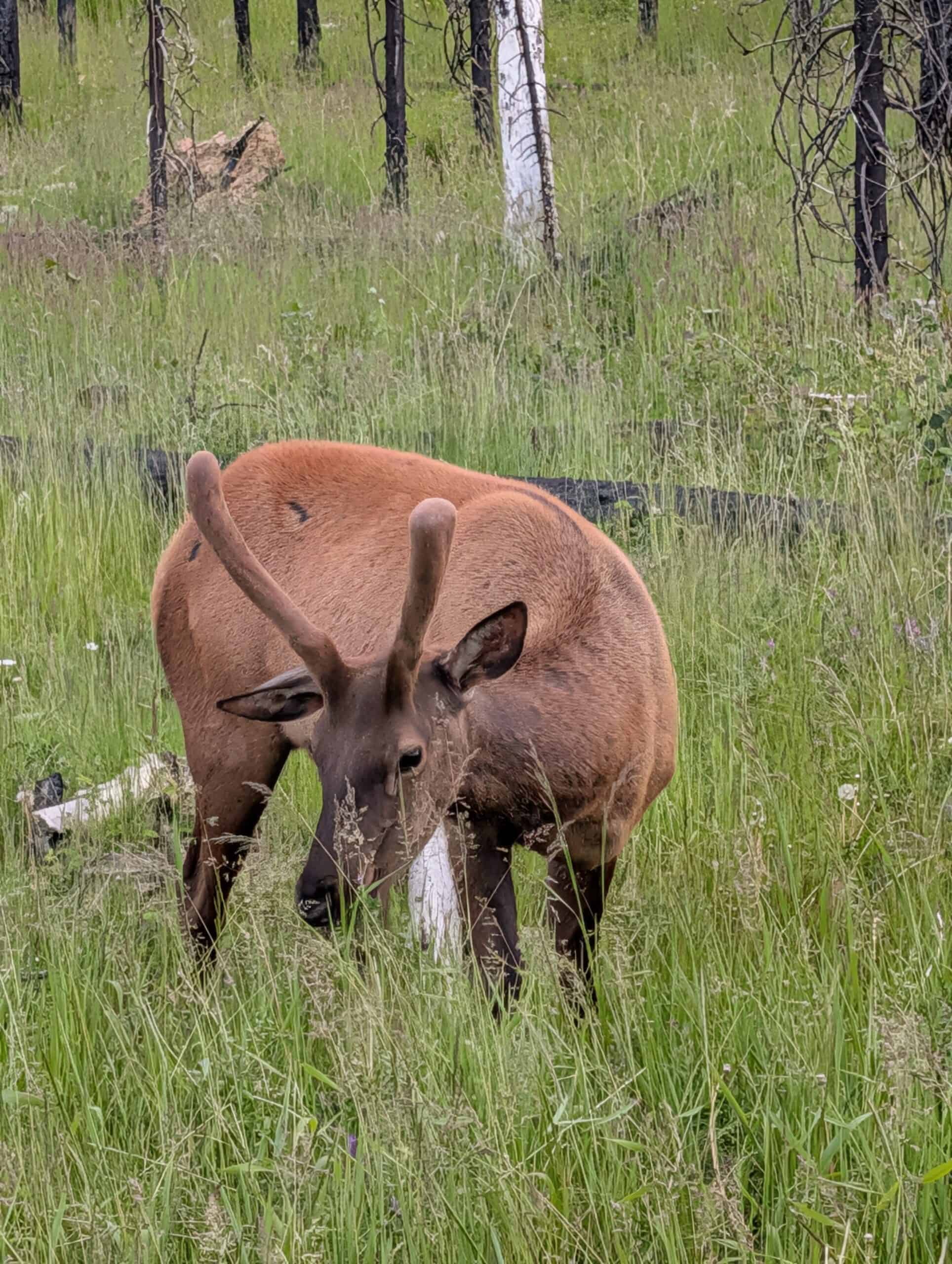
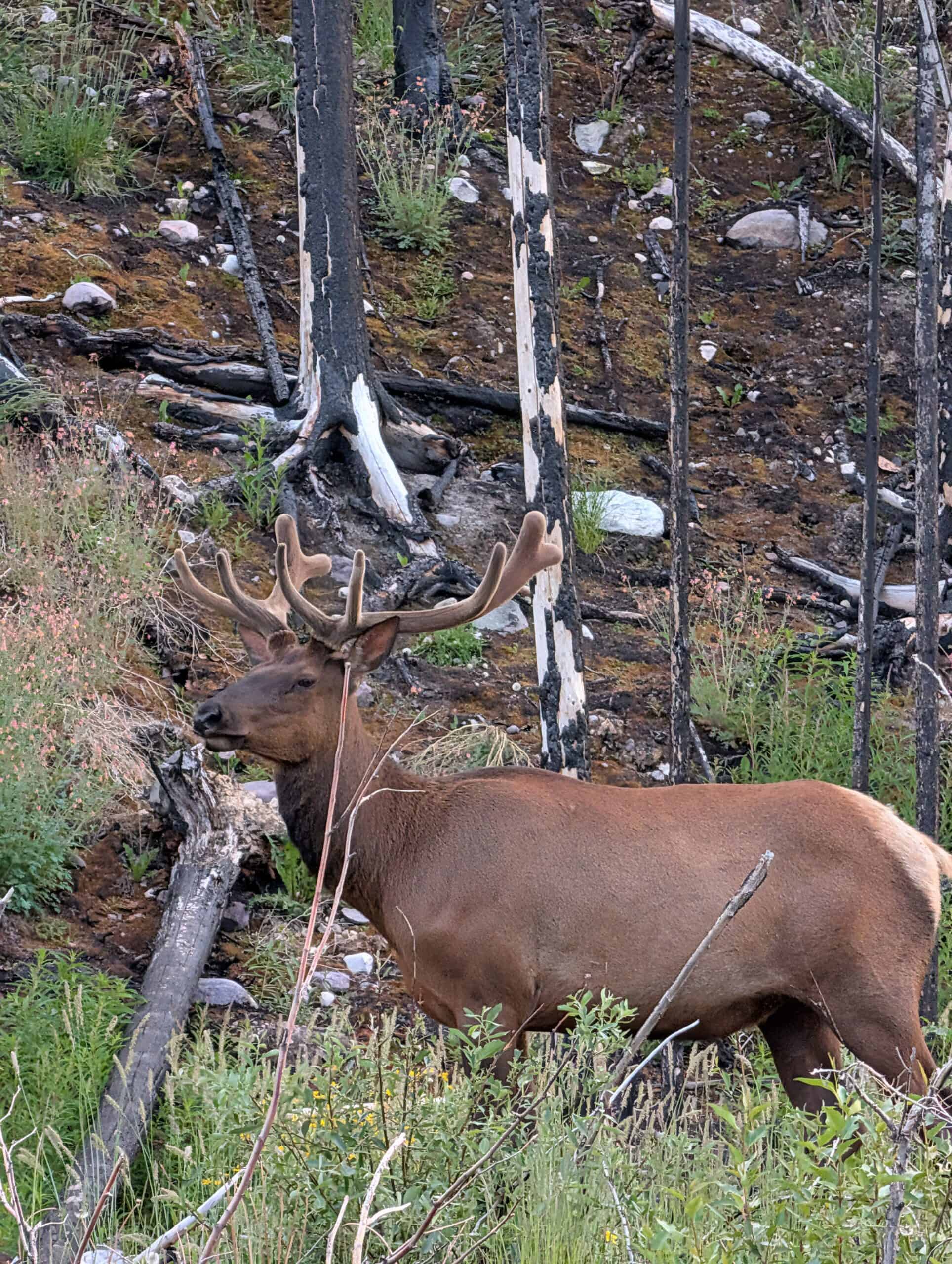
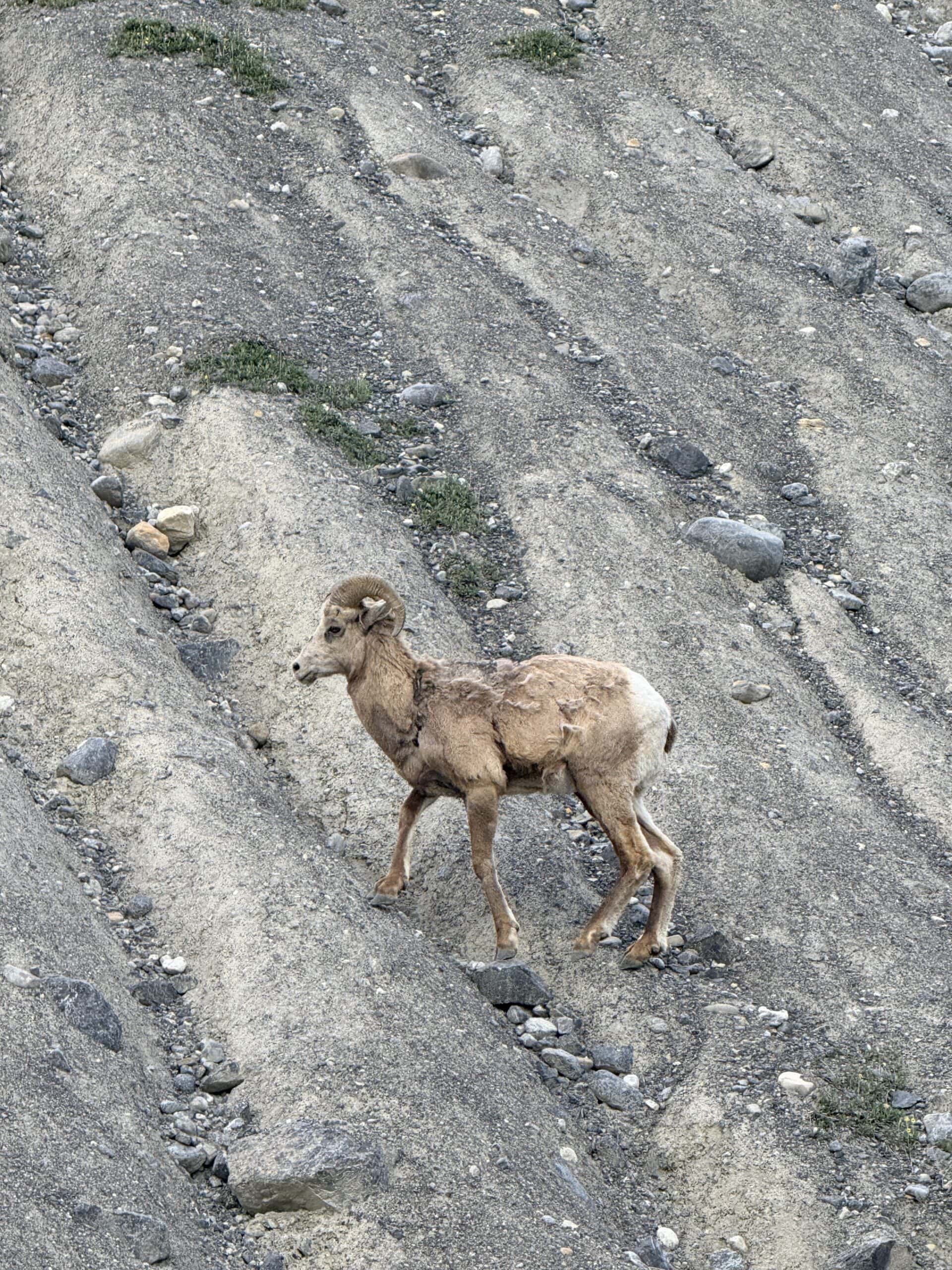
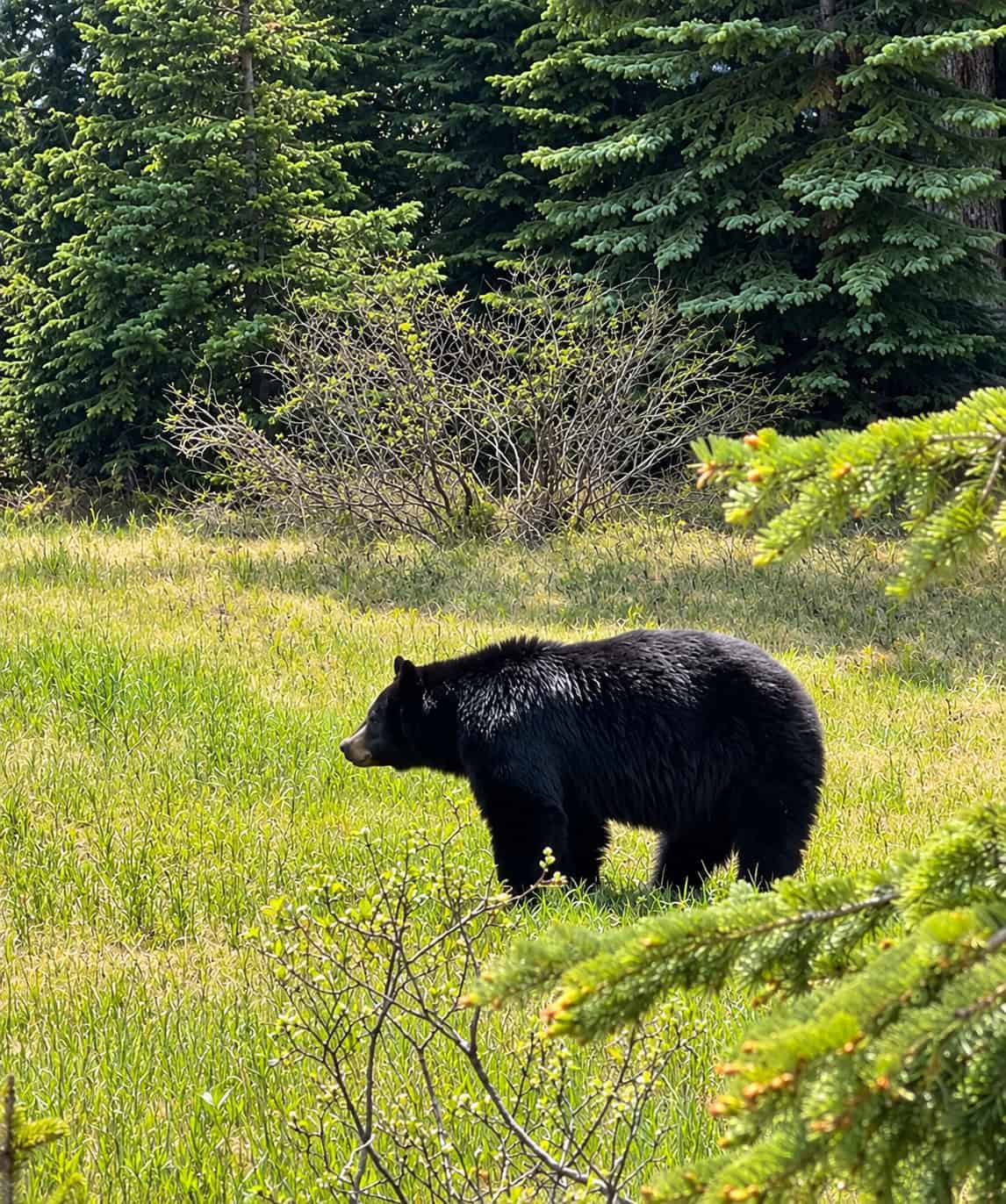
Jasper is home to a wide variety of animals, including elk, deer, black bears, grizzly bears, mountain goats, and numerous bird species. Early mornings and evenings can be particularly rewarding for wildlife watching, although sightings are never guaranteed.
You don’t necessarily need a guided tour to spot wildlife, but you do need to respect the animals and their environment. Keep your distance, never feed them, and avoid stopping on busy roads for photographs.
9. Relax at Lake Annette and Lake Edith
After several days of mountain hikes and sightseeing, Lake Annette and Lake Edith offer a slower way to enjoy Jasper National Park.
Located a short drive from downtown, both lakes have beautiful mountain backdrops and are popular for picnicking, swimming, and spending time by the water during summer. Lake Annette also has an easy walking loop of approximately 2.5 kilometres, making it a good choice if you’re looking for something less demanding.
These lakes are particularly appealing if you’re travelling with children or simply want an afternoon without a packed schedule. Bring a picnic, enjoy a walk around the lakeshore, and take your time.
10. Hike Sulphur Skyline and Visit Miette Hot Springs
For visitors who enjoy a more challenging hike, Sulphur Skyline offers panoramic views over the surrounding mountains and valleys.
The trail is approximately 8 kilometres return with around 700 metres of elevation gain. It’s a fairly demanding climb, especially toward the summit, so allow several hours and come prepared for changing mountain weather.
One reason this hike is especially popular is its location near Miette Hot Springs. During the summer operating season, you can combine the hike with a soak in the naturally heated mineral pools afterward.
The trailhead is about an hour’s drive from Jasper, so I’d dedicate most of a day to this excursion rather than squeezing it between other major attractions. Check trail conditions, road access, and the hot springs’ seasonal operating schedule before heading out.
11. Explore Downtown Jasper
Jasper town may be small, but it’s worth setting aside time to explore beyond the national park’s major attractions.
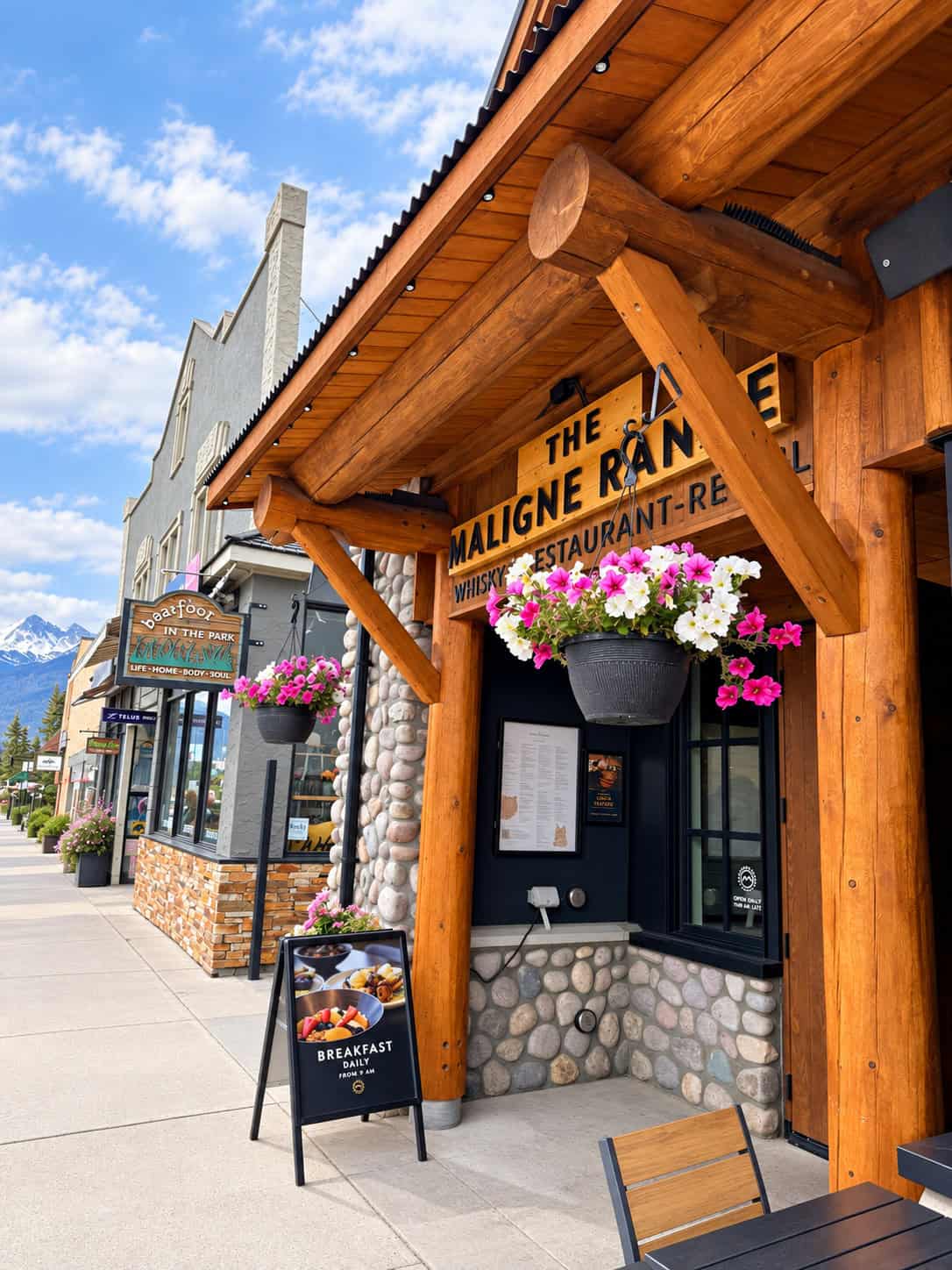
You’ll find cafés, restaurants, independent shops, and a relaxed mountain-town atmosphere along Connaught Drive and Patricia Street. It’s a convenient place to stop for breakfast before heading into the park or enjoy dinner after a day outdoors.
During my summer 2026 visit, the aftermath of the 2024 wildfire was still very visible. The fire caused significant damage to homes, businesses, and surrounding forests, and rebuilding efforts were ongoing.
Despite those challenges, Jasper continues to welcome visitors. Spending time in town and supporting local businesses is a meaningful part of visiting the area while the community recovers.
12. Go Canoeing on a Mountain Lake
Canoeing is one of the most memorable ways to experience the Canadian Rockies, and Jasper has several beautiful lakes where you can paddle surrounded by mountains.
Maligne Lake offers a dramatic wilderness setting, while Lac Beauvert, beside Fairmont Jasper Park Lodge, is another scenic option. Both provide a different perspective of the surrounding landscape compared with viewing the mountains from shore.
I loved canoeing on Moraine Lake during my time in Banff, and being out on that turquoise water was completely different from admiring the scenery from a viewpoint. If you enjoy being on the water, I’d consider making room for a similar experience in Jasper.
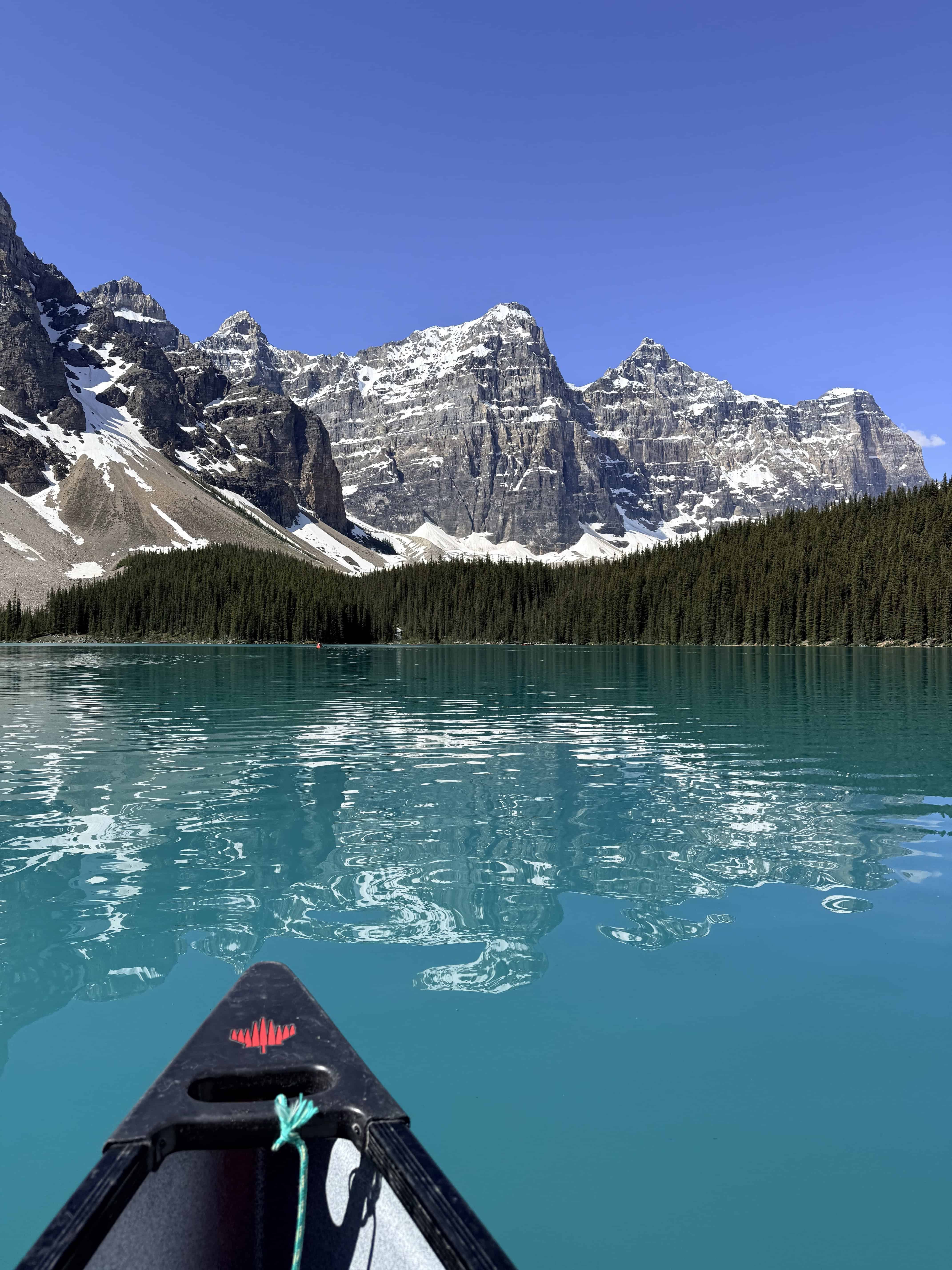
If you’re exploring Banff before driving the Icefields Parkway, my 3-day Banff National Park itinerary brings together Canmore, Banff and the famous turquoise lakes. I’d give Lake Louise and Moraine Lake a full day, leaving time for canoeing, lakeshore walks and shuttle transfers before continuing north toward Jasper.
13. Go Stargazing in Jasper’s Dark Sky Preserve
Jasper National Park is designated as a Dark Sky Preserve, making it an excellent destination for stargazing.
With relatively little artificial light across much of the park, clear nights offer opportunities to see countless stars and, under the right conditions, the Milky Way or northern lights. You can enjoy the night sky independently from an accessible, permitted location or join an organized astronomy experience.
The Jasper Planetarium is another option for visitors interested in learning about the night sky through guided presentations and telescope viewing. If stargazing is high on your list, try to visit around the new moon, when darker skies generally provide better viewing conditions.
14. Spend a Night Camping in Jasper National Park
Camping is a wonderful way to experience Jasper beyond its busiest daytime attractions.
During my visit, I stayed at Whistlers Campground, conveniently located near Jasper town. The 2024 wildfire had dramatically changed parts of the surrounding landscape, leaving large areas of burned forest and more open views than you might expect.
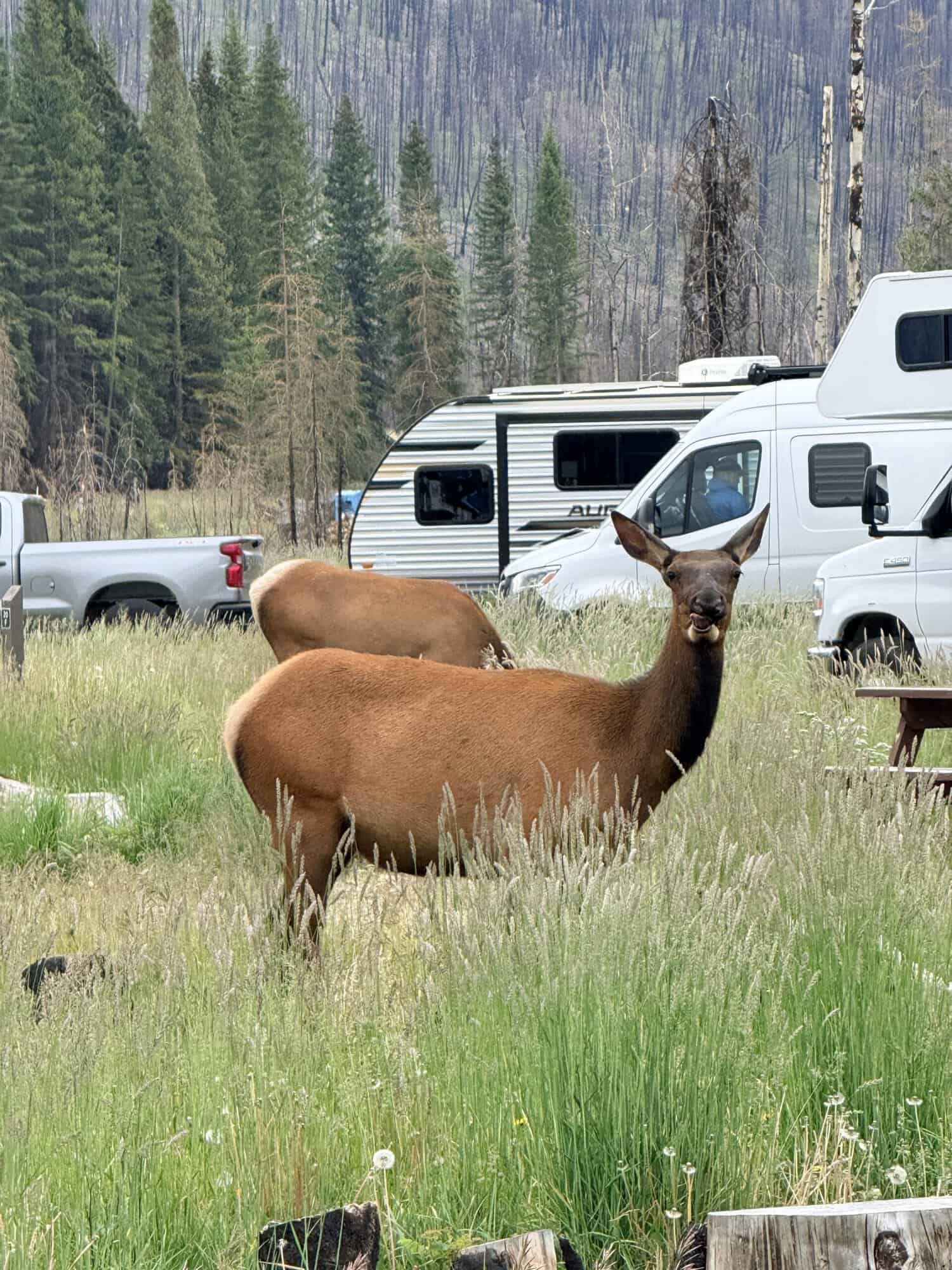
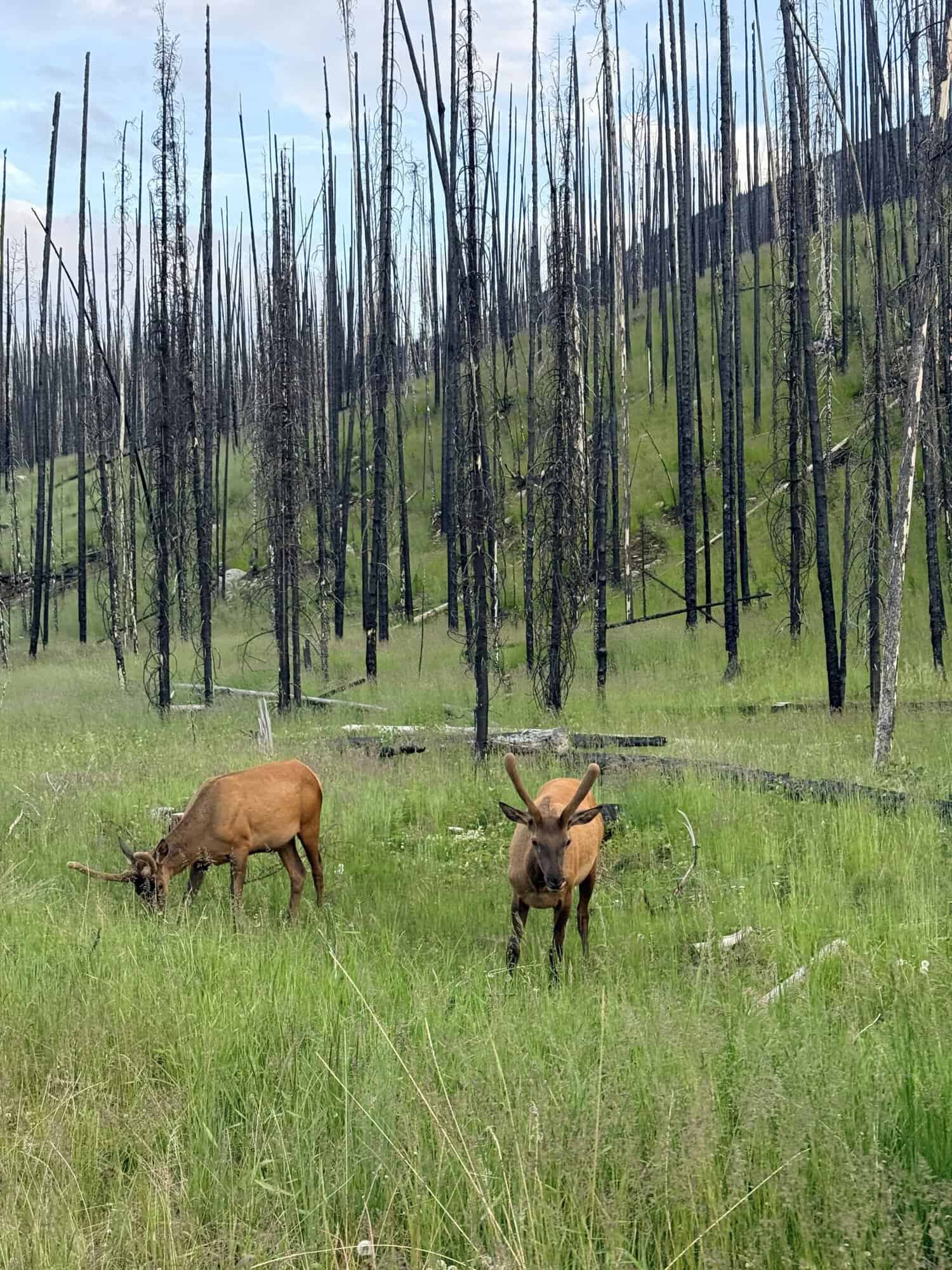
It was striking to see the aftermath of the fire so closely, particularly while observing wildlife still moving through the area. The experience gave me a different perspective on Jasper compared with the lush mountain scenery I’d explored earlier in the Rockies.
Whistlers is a practical base for exploring the park, with easy access to the main roads leading toward the SkyTram, Maligne Lake, and Icefields Parkway.
If you’re planning a summer visit, reserve your campsite early. Availability can be limited, and some campgrounds continue to be affected by wildfire recovery work.
How Many Days Do You Need in Jasper National Park?
I’d recommend spending two to three days in Jasper, especially if you’re visiting for the first time. That gives you enough time to enjoy the major attractions without spending every hour driving between them.
With one day, prioritize the Jasper SkyTram, Athabasca Falls, and some time exploring downtown. A second day would allow you to visit Maligne Lake and fit in a shorter hike, while a third gives you room for a longer trail, canoeing, or a more relaxed afternoon by the water.
If you’re arriving from Banff, I’d treat the Icefields Parkway as a separate sightseeing day. The drive itself is one of the highlights of the Canadian Rockies and deserves plenty of time.
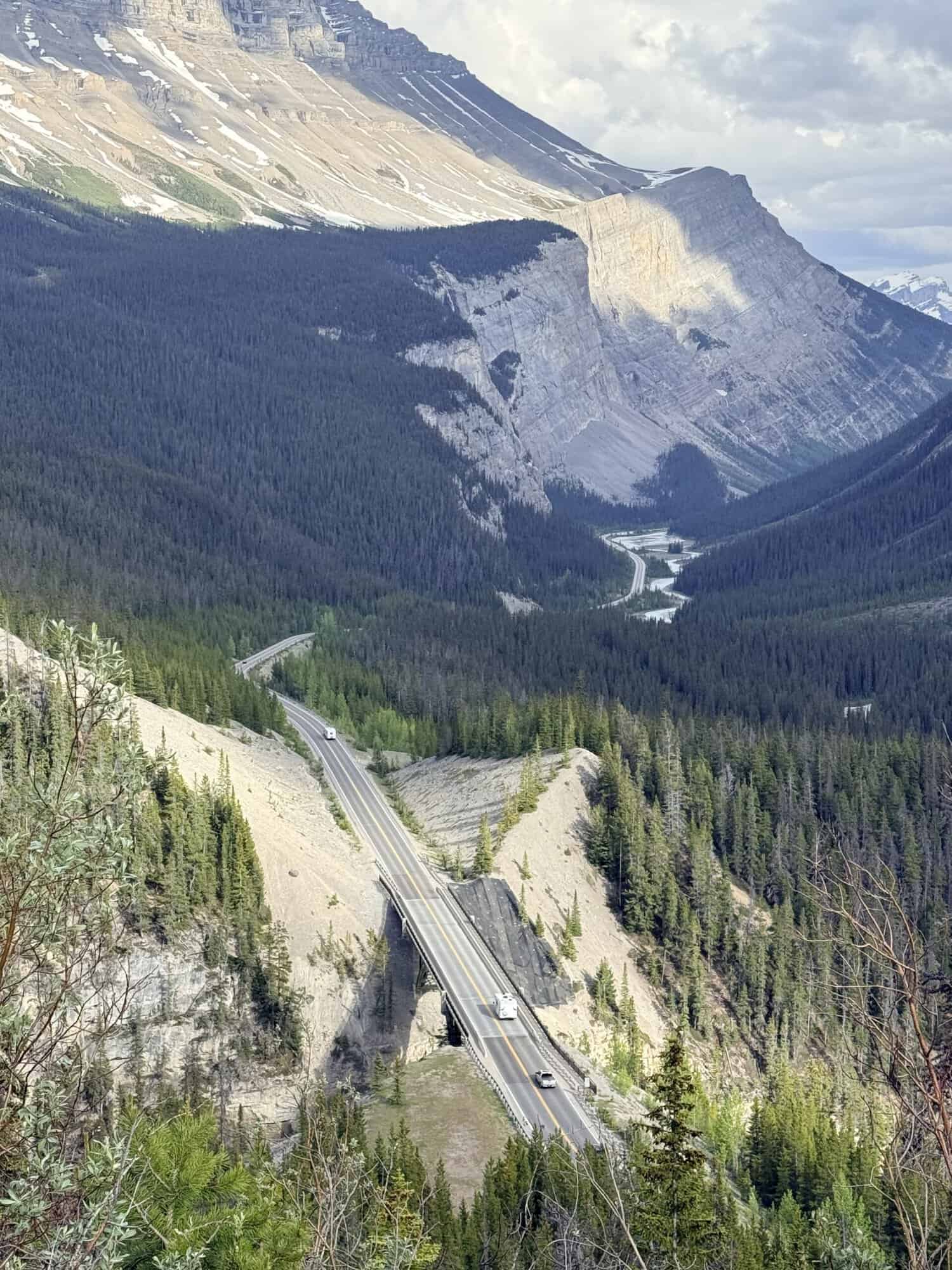
My Banff National Park 3-day itinerary follows the route I took through Canmore, Banff, Lake Louise, and the Icefields Parkway before reaching Jasper.
For a longer adventure, my Canada road trip itinerary from Quebec to Vancouver shows how I connected these destinations during my cross-country journey.
If you’re continuing west toward Clearwater after Jasper, my Blue River Safari review covers the boat excursion I took after visiting Mount Robson Provincial Park.
Practical Tips for Visiting Jasper National Park
Check Wildfire Closures Before Visiting
Jasper National Park continues to recover from the major wildfire of July 2024. While many popular attractions have reopened, Maligne Canyon and Cavell Road remained closed throughout the 2026 season, including access to the main Mount Edith Cavell hiking areas.
The Valley of the Five Lakes reopened in summer 2026, and popular destinations such as Maligne Lake and Athabasca Falls were accessible. Recovery work is ongoing, and future opening dates may change as safety assessments continue.
Always review the official Parks Canada closures and access updates before your visit, as seasonal conditions and rehabilitation work can affect individual trails and facilities.
When Is the Best Time to Visit Jasper?
June through September is generally the best period for hiking, scenic drives, canoeing, and outdoor sightseeing. July and August offer long summer days and access to most seasonal activities, although they’re also the busiest months.
I visited at the end of June and still encountered snow at higher elevations along the Icefields Parkway. Mountain weather can change quickly, so pack layers and be prepared for cold temperatures even when the forecast looks sunny.
September can be a wonderful alternative for visitors hoping to avoid the peak summer crowds. Winter brings opportunities for skiing at Marmot Basin, snowshoeing, and experiencing the Rockies covered in snow.
Do You Need a Car in Jasper?
Having a car makes exploring Jasper considerably easier because the main attractions are spread across a large national park.
Maligne Lake is nearly 50 kilometres from town, while the Columbia Icefield is approximately 100 kilometres away. Although guided excursions are available, your own vehicle gives you greater flexibility to stop at viewpoints and organize activities around the weather.
I explored the Canadian Rockies in my electric Mustang Mach-E, which required extra planning on remote highways. If you’re considering a similar trip, my 10 lessons from driving across Canada in an EV covers charging, range management, and practical lessons from the road.
Where Should You Stay in Jasper?
For first-time visitors, I’d recommend staying in Jasper town or one of the nearby accommodations. It’s the most convenient base for accessing restaurants, grocery stores, and the park’s main attractions. If you enjoy camping, Whistlers Campground is another option during its operating season.
Frequently Asked Questions About Jasper National Park
What Should You Not Miss in Jasper?
If you’re short on time, I’d prioritize the Jasper SkyTram, Athabasca Falls, and Maligne Lake. If you’re driving between Banff and Jasper, the Icefields Parkway and Athabasca Glacier are also worth including. Together, these experiences offer a great introduction to the mountains, lakes, and waterfalls that make Jasper special.
Is Jasper Worth Visiting After the 2024 Wildfire?
Absolutely. Although the wildfire significantly changed parts of the landscape, Jasper’s mountains, lakes, waterfalls, and wildlife remain extraordinary. Many visitor attractions and local businesses have reopened, and travelling responsibly can support the community’s continued recovery.
Is Jasper Better Than Banff?
Both are worth visiting, but they offer different experiences. Banff has a busier resort atmosphere and famous turquoise lakes, while Jasper generally feels quieter and more remote.
If your schedule allows, I’d visit both. My one-day Lake Louise and Moraine Lake itinerary shows how I explored Banff’s iconic lakes before continuing toward Jasper. For the wider route, browse my Canadian Rockies travel guides to build a trip around the places that interest you most.
My Final Thoughts on the Best Things to Do in Jasper
Jasper was one of those destinations that reminded me why I love taking my time when I travel. From standing high above the valley to watching elk wander near my campsite, some of my favourite moments came from simply being present in the mountains.
Visiting after the 2024 wildfire also left a lasting impression. Seeing the burned forest alongside signs of recovery made me appreciate both the fragility and resilience of these landscapes.
You don’t need to fit all 14 experiences into one trip. Choose the adventures that genuinely interest you, leave room for unexpected discoveries, and give yourself time to enjoy being there.
If you’re planning a longer journey through Western Canada, my ultimate Canada road trip itinerary connects Jasper with some of my favourite destinations across the country.
Now I’m curious: Would you rather spend your day hiking to a mountain summit, paddling across a turquoise lake, or exploring Jasper’s waterfalls and scenic drives?
For more places to explore beyond the mountains, browse my Canada travel guides, including city itineraries, scenic drives and firsthand outdoor adventures.