8 Best Things to Do on the West Coast of Portugal
Portugal’s west coast completely surprised me. When I decided to spend a month living in Cascais, just outside Lisbon, I knew I wanted to explore beyond the capital. What I didn’t expect was how much I would fall in love with the rugged Atlantic coastline, dramatic cliffs, charming fishing villages, and incredible outdoor adventures.
From hiking down to secluded beaches near Cabo da Roca to discovering Nazaré’s legendary waves, some of my favourite experiences in Portugal happened outside the major cities. If you’re planning a road trip or looking for coastal day trips from Lisbon, here are eight of the best things to do on the West Coast of Portugal, based on my own travels and a destination I’ve researched for a future scuba diving adventure.
If your trip also includes time in the capital, my three-day Lisbon itinerary gives you a starting point for the city portion.
This post contains affiliate links. If you make a booking or purchase through one of these links, I may earn a small commission at no additional cost to you. Your support helps me continue creating honest, firsthand travel guides—thank you! Read my full affiliate disclosure for more information.
1. Explore Cascais, Portugal’s Charming Coastal Town
Cascais was my home base during my month in Portugal, and I couldn’t have picked a better place. Located about 40 minutes from Lisbon by train, this former fishing village combines beautiful beaches, scenic coastal walks, excellent restaurants, and a relaxed atmosphere that makes it easy to settle in.
If you’re considering making the town your base, my reasons to visit Cascais explain what I enjoyed about spending a full month there.
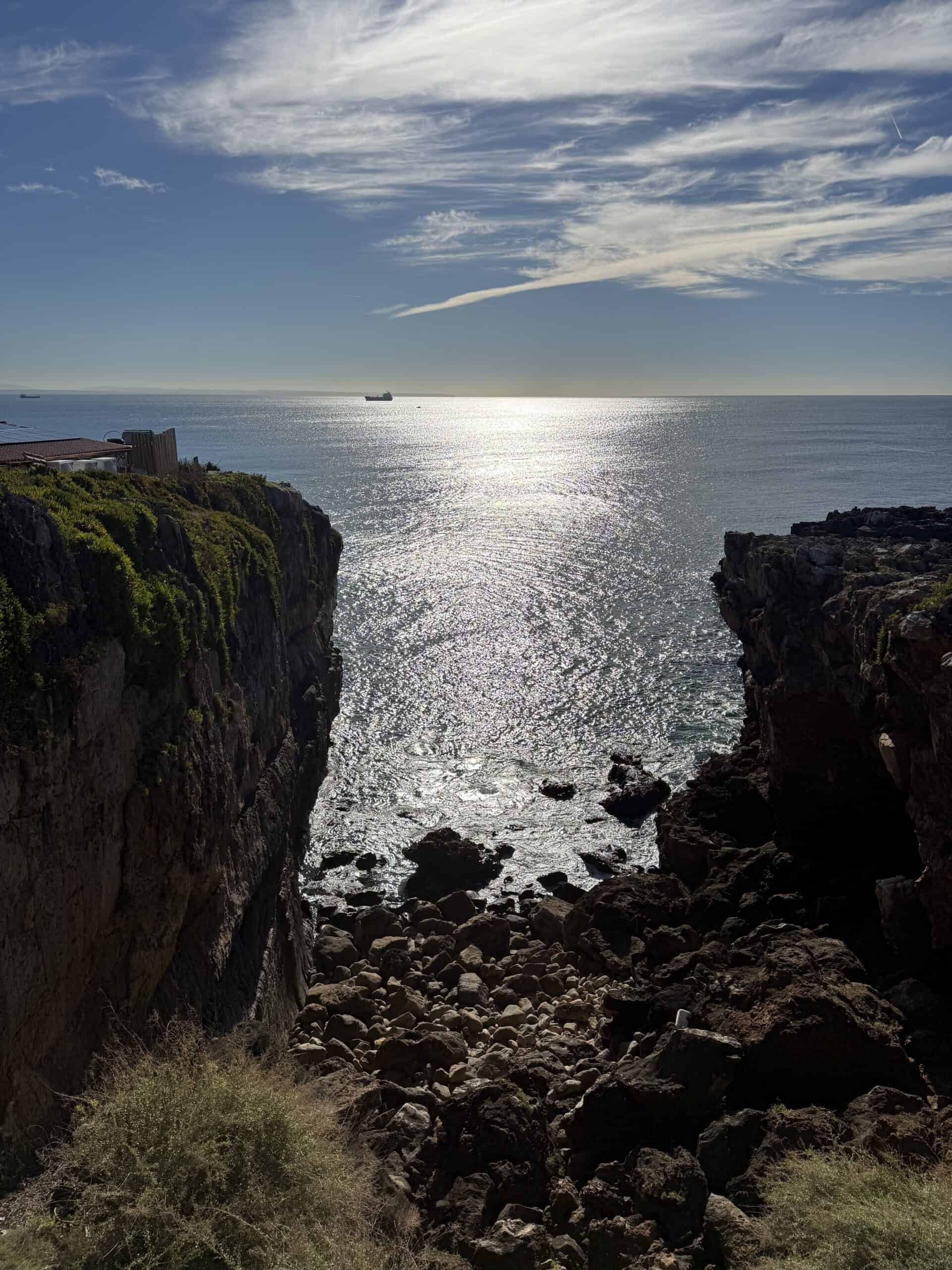
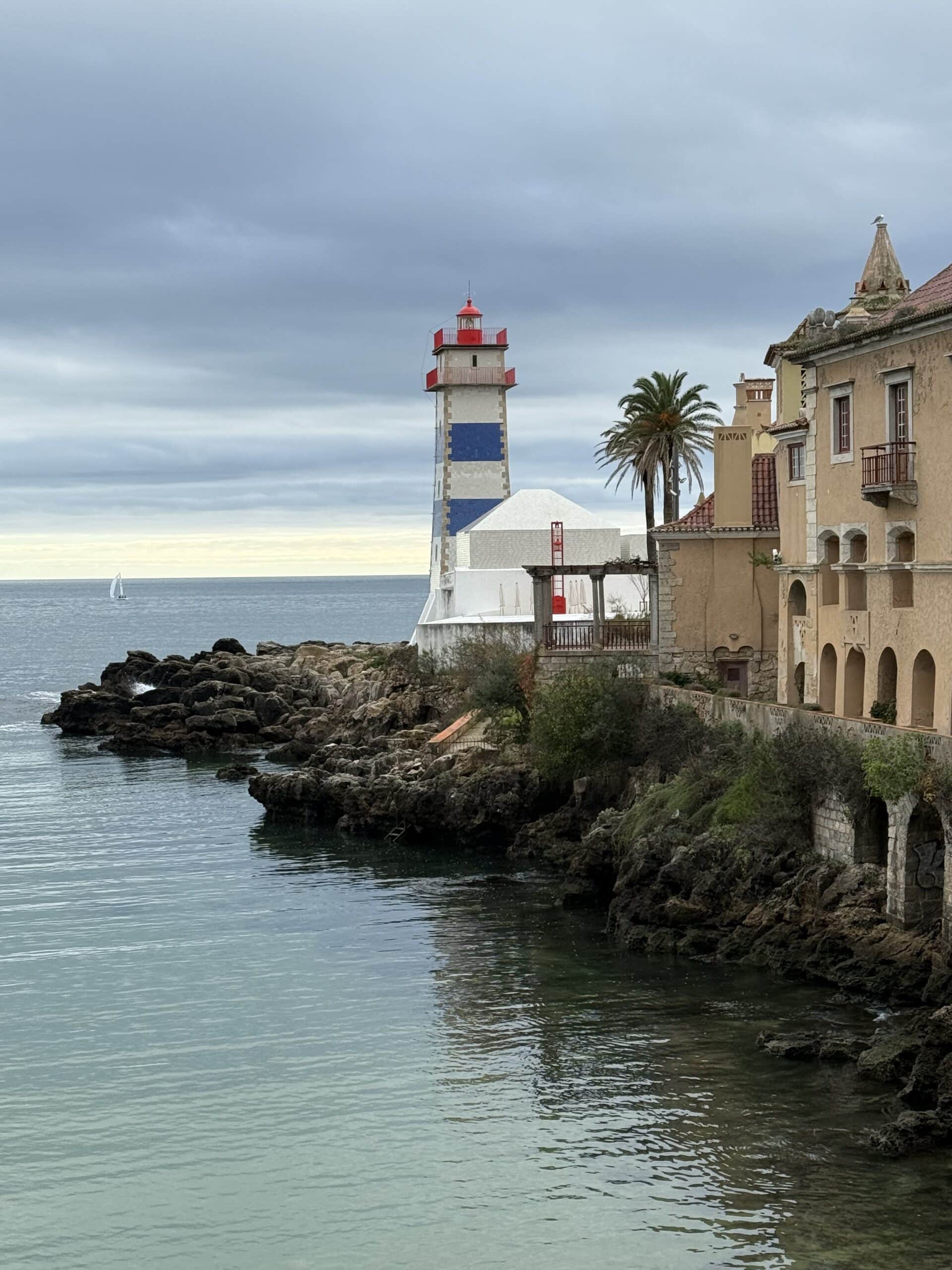
What I loved most about Cascais was how naturally outdoor activities became part of my everyday routine. I could start my morning with a walk along the waterfront, wander through the historic centre, and stop for a coffee overlooking the ocean without needing to plan an elaborate excursion.
One of my favourite spots was Boca do Inferno, where the Atlantic waves crash against dramatic rock formations. I also loved the beautiful Santa Marta Lighthouse, the charming streets of the old town, and enjoying a meal at Emma’s by the Sea. Even after spending several weeks there, I never got tired of exploring the coastline.
Cascais also makes an excellent base for visiting Sintra, Cabo da Roca, and the surrounding beaches. If you’re looking for somewhere to combine coastal adventures with a slower pace of travel, it’s a destination I highly recommend.
Read more: Things to Do in Cascais: My Favourite Spots
2. Hike to Praia da Ursa Near Cabo da Roca
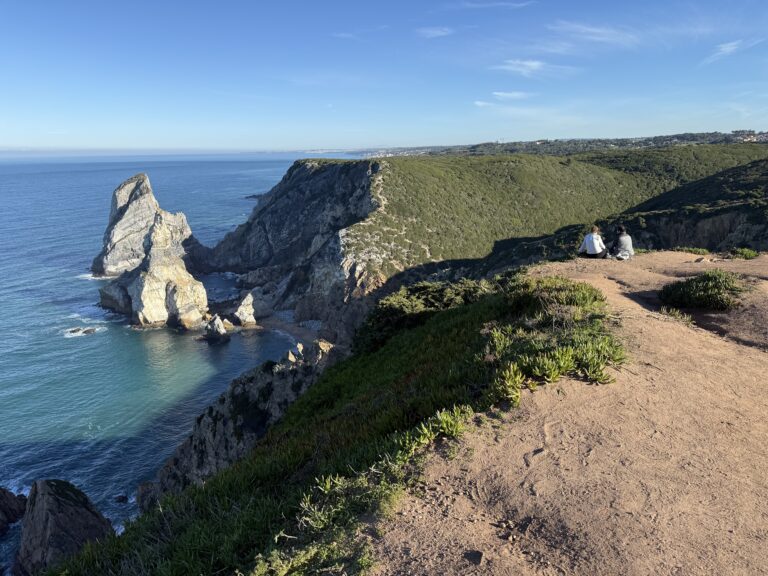
If you enjoy hiking and dramatic coastal scenery, Praia da Ursa deserves a place on your Portugal itinerary. Located near Cabo da Roca, the westernmost point of mainland Europe, this secluded beach is surrounded by towering cliffs and enormous rock formations rising from the Atlantic Ocean.
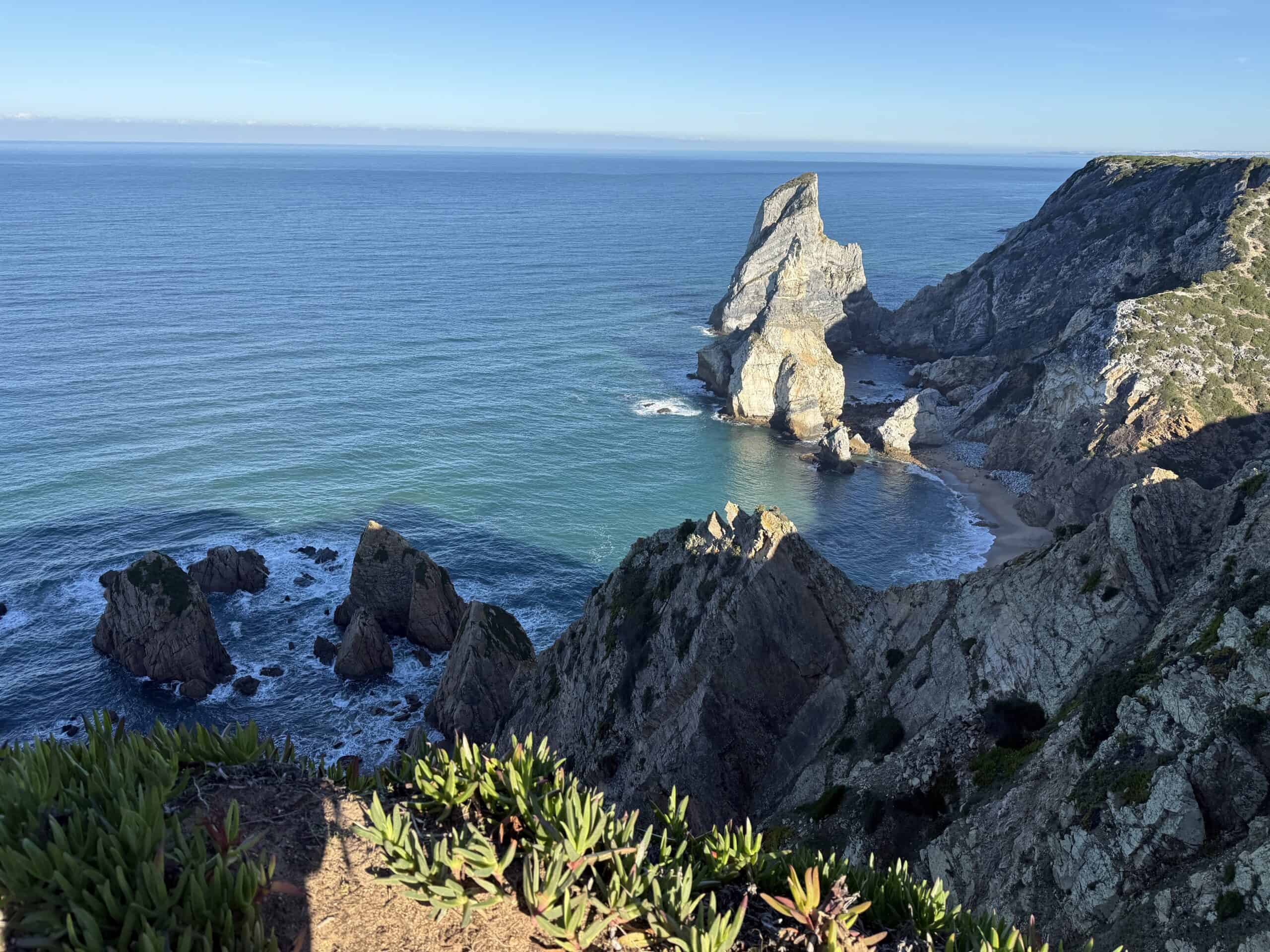
Getting there is an adventure in itself. During my visit, I followed the steep trail descending toward the beach, navigating loose rocks, uneven terrain, and sections where ropes help with the descent. It’s definitely not a casual beach walk, but reaching the bottom and seeing those dramatic rock formations up close made the effort worthwhile.
What I loved about Praia da Ursa was how wild and untouched the setting felt. Unlike the accessible beaches around Cascais, getting here requires some determination, and the reward is an extraordinary landscape that feels far removed from the busy tourist attractions.
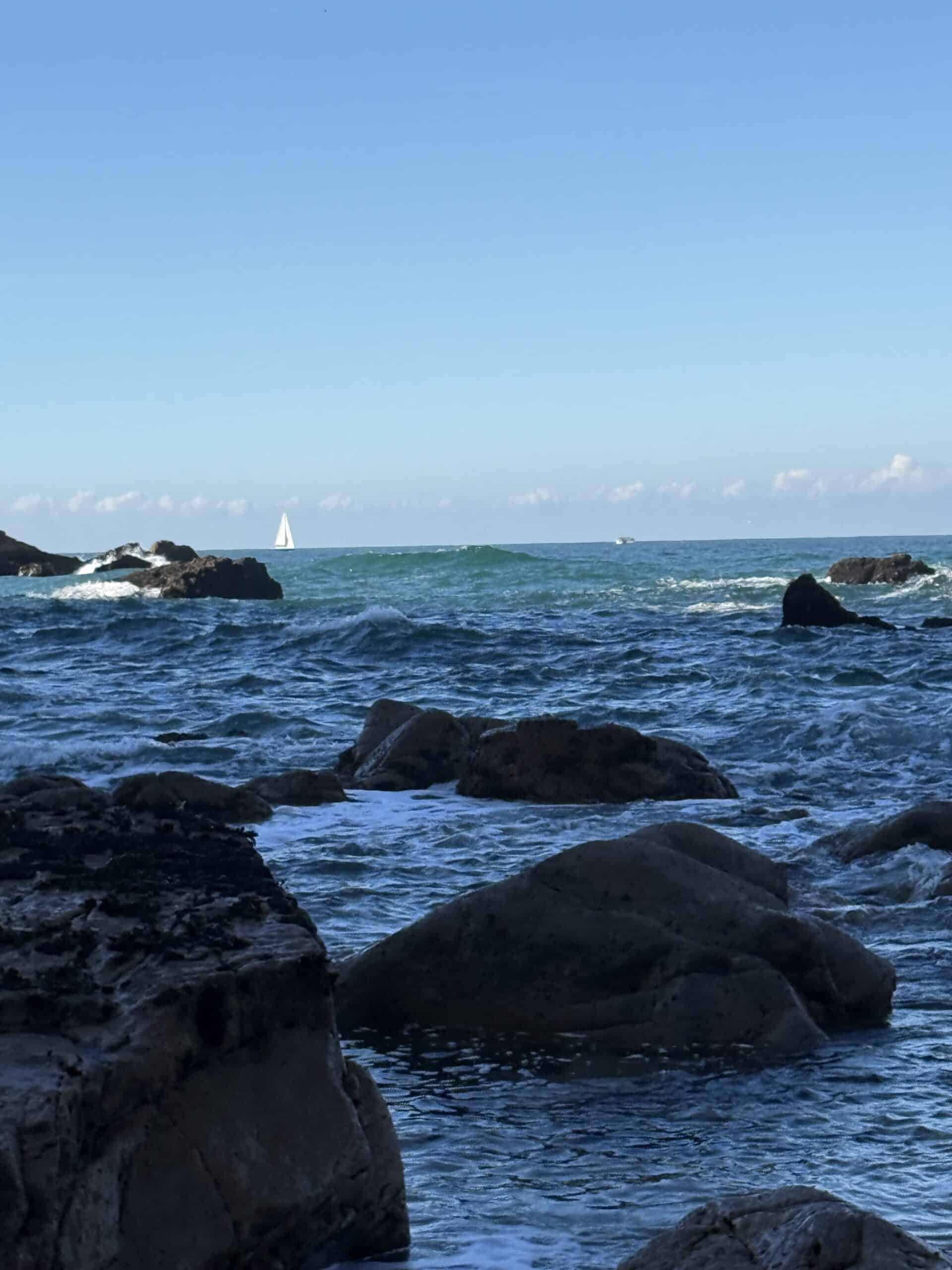
Allow approximately 1.5–2 hours for the return hike, depending on your pace. Wear proper hiking shoes, avoid the descent during wet conditions, and don’t count on swimming, as the Atlantic currents can be extremely dangerous.
Even if hiking isn’t your thing, the nearby Cabo da Roca viewpoint is worth visiting for its sweeping ocean views and dramatic cliffs.
Read more: Cabo da Roca Day Trip: One Day at the Edge of Europe
3. Discover Ericeira, Portugal’s Famous Surf Town
Ericeira is one of those coastal towns where the ocean seems to influence everything, from the lifestyle to the atmosphere. Located less than an hour northwest of Lisbon, this traditional fishing village has become one of Europe’s most popular surfing destinations and is home to Europe’s first World Surfing Reserve.
But you don’t have to be a surfer to appreciate Ericeira. During my visit, I loved wandering through the narrow cobblestone streets, admiring the whitewashed buildings, and discovering beautiful viewpoints overlooking the Atlantic. The town has a laid-back atmosphere that makes it easy to spend an afternoon exploring without a particular schedule.
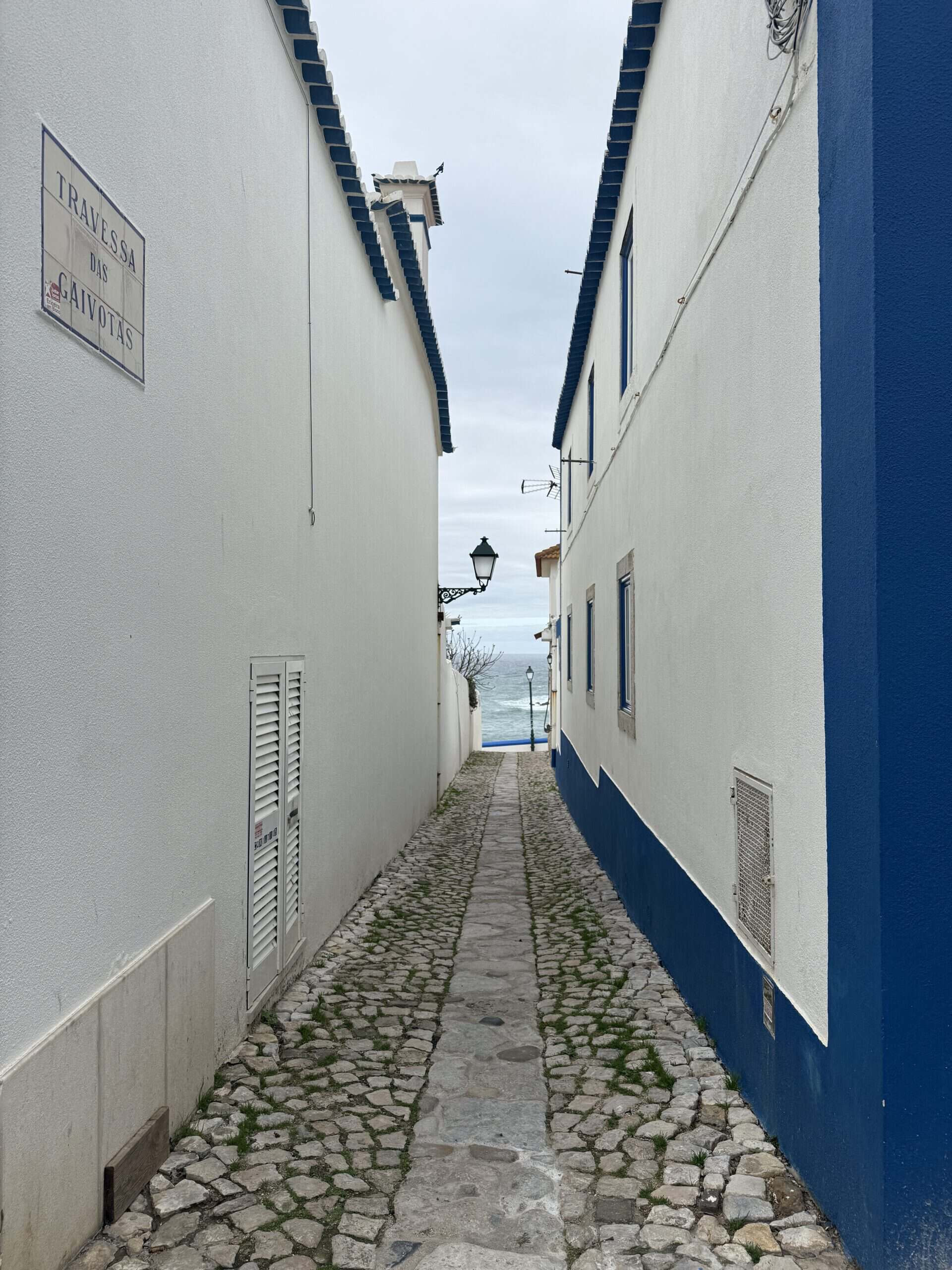
Ericeira is also popular with digital nomads and travellers looking for a slower coastal lifestyle. Its combination of cafés, surfing culture, and ocean views makes it particularly appealing if you’re considering spending more than a day in the area.
If you’ve ever wanted to learn to surf, this is an excellent place to consider booking a lesson. Otherwise, simply enjoy the beaches, watch experienced surfers tackle the waves, and explore the charming historic centre.
I’d recommend allowing at least half a day, although a full day gives you more time to appreciate the town and surrounding coastline.
Read more: Ericeira Day Trip Guide
4. Experience the Legendary Giant Waves of Nazaré
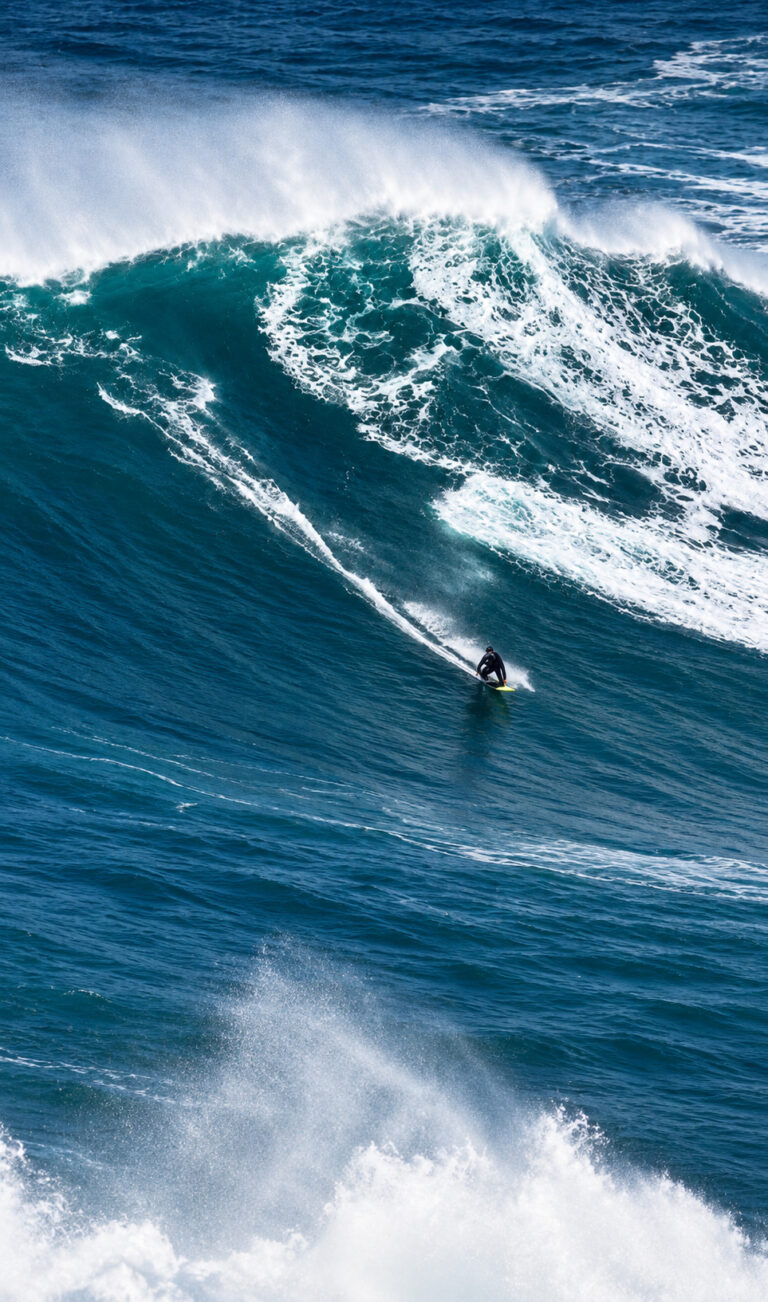
Nazaré was one of the destinations I was most excited to explore during my month in Portugal. Famous for its enormous Atlantic waves, this traditional fishing town has become an international destination for big-wave surfing.
The extraordinary waves are partly created by the Nazaré Canyon, an underwater canyon that helps amplify incoming Atlantic swells. Under the right conditions, the waves at Praia do Norte can reach astonishing heights, attracting some of the world’s most experienced surfers.
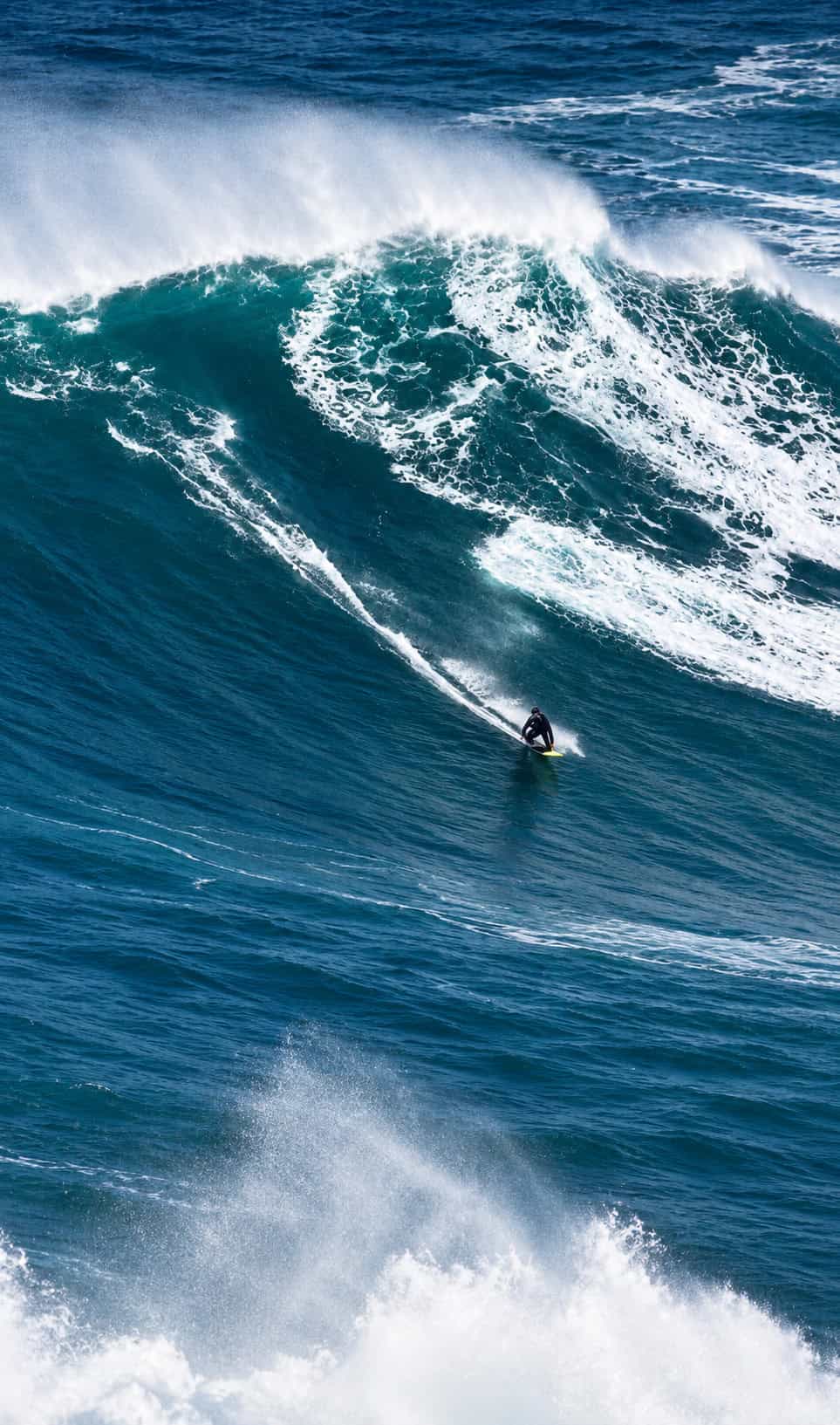
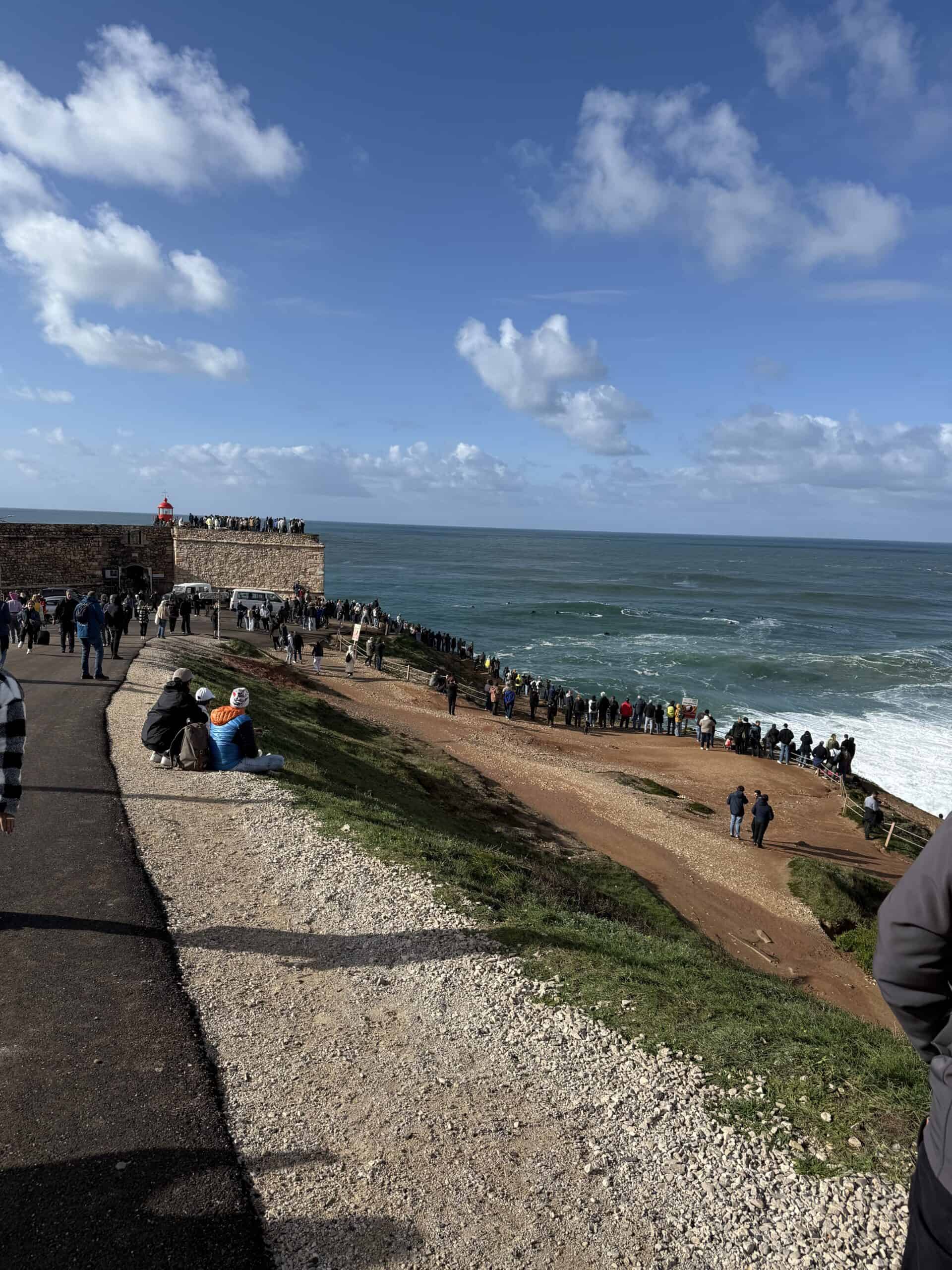
The best place to appreciate this phenomenon is near the Forte de São Miguel Arcanjo, overlooking Praia do Norte. Standing above the coastline and watching the ocean is impressive even when the legendary giant waves aren’t breaking.
The big-wave season generally runs from October through March, but seeing enormous waves isn’t guaranteed. Conditions depend on incoming swells, winds, and other weather factors, so checking surf forecasts before your visit is essential if that’s your main reason for going.
Beyond the waves, Nazaré is also worth exploring for its traditional fishing culture, scenic viewpoints, and beautiful beachfront. It’s a destination where the powerful Atlantic Ocean is undoubtedly the main attraction.
Read more: Big Wave Surfing in Nazaré: When and Where to Watch
5. Explore Sintra’s Fairytale Palaces and Forest Trails
Sintra isn’t directly on the coastline, but its location within the Sintra-Cascais Natural Park makes it a fantastic addition to a West Coast Portugal itinerary. While most visitors come to admire the colourful palaces, I particularly enjoyed exploring the beautiful forest trails surrounding them.
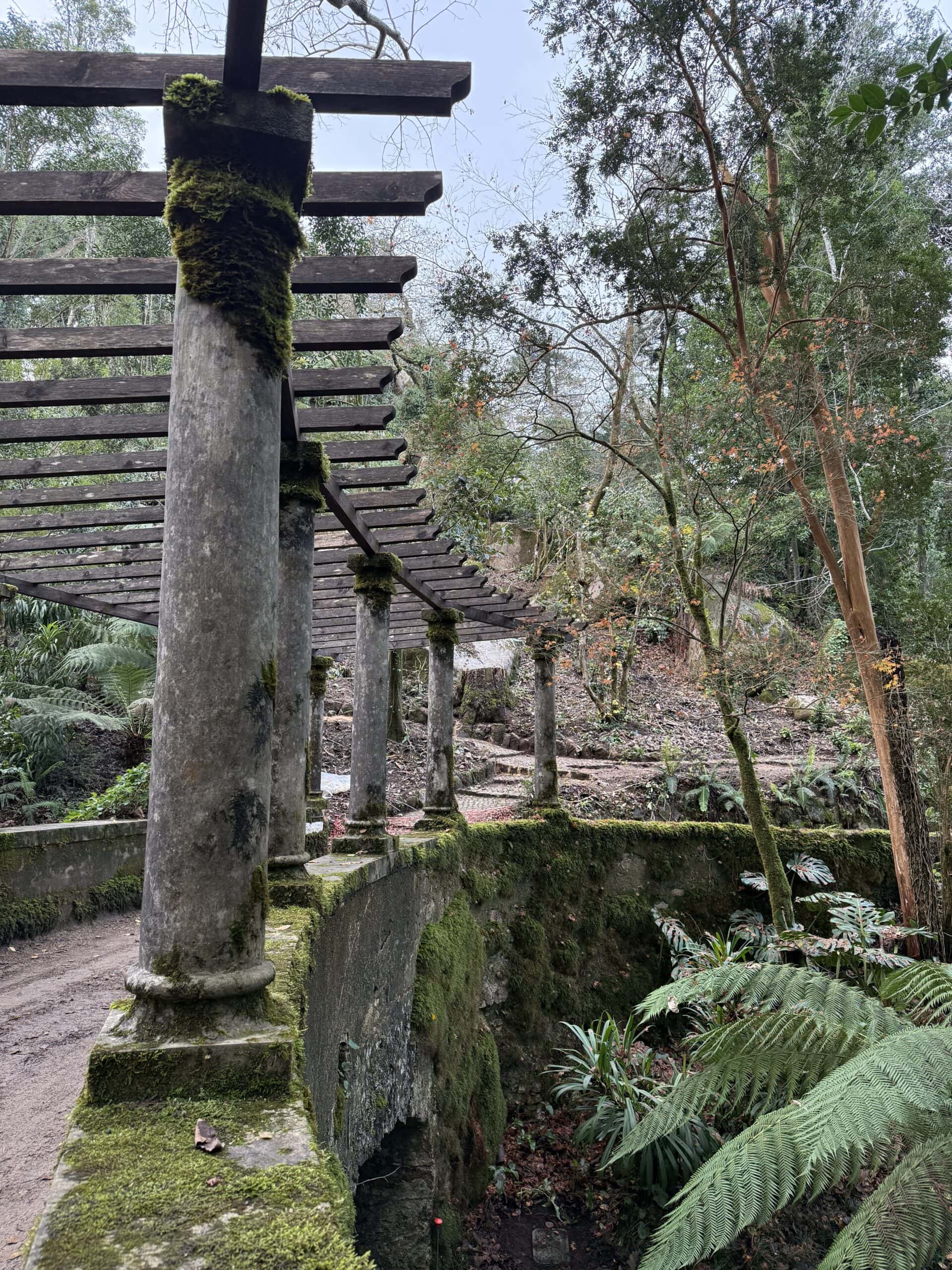

Pena Palace is undoubtedly spectacular, with its colourful architecture and hilltop setting, but the surrounding grounds are equally worth exploring. I particularly enjoyed discovering the Chalet of the Countess of Edla and wandering through the gardens, where the atmosphere feels completely different from the crowded palace terraces. If Pena is your priority, my guide to visiting Pena Palace covers tickets, getting there and the gardens I would leave time to explore.
Sintra also has several other famous attractions, including Quinta da Regaleira and the Moorish Castle. However, I recommend choosing your priorities rather than trying to visit every landmark in a single day.
If you enjoy combining history with outdoor adventures, Sintra offers a wonderful balance of both.
Read more: Sintra Day Trip: A Realistic One-Day Guide
6. Admire the Clifftop Village of Azenhas do Mar
Azenhas do Mar is one of the most picturesque villages along Portugal’s west coast. Perched dramatically above the Atlantic, its whitewashed houses cascade down the cliffs toward the ocean, creating a beautiful scene that looks almost too perfect to be real. The village is also known for its natural ocean pool, carved into the rocks at the foot of the cliffs, which makes it particularly appealing during the warmer months.
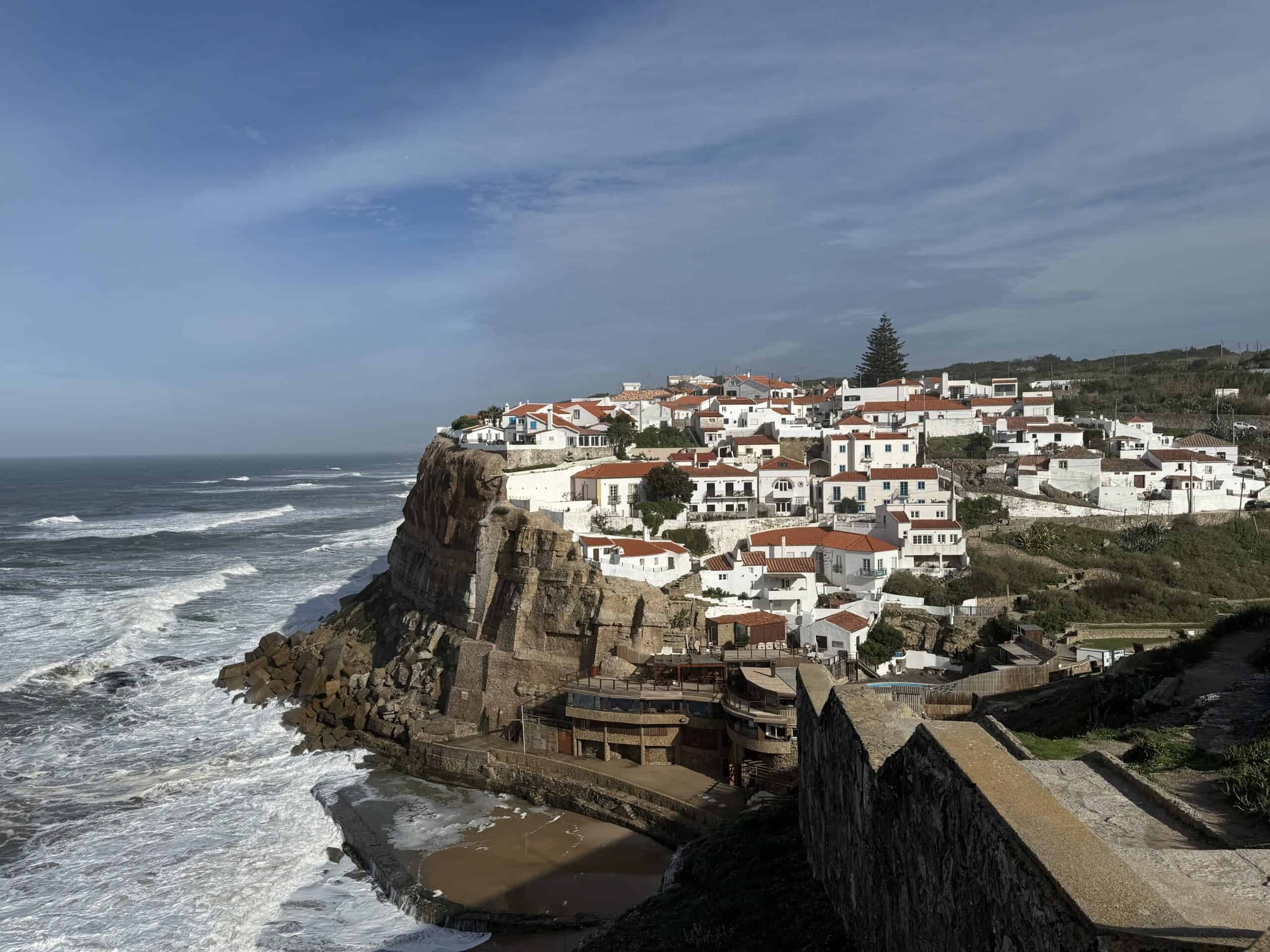
I visited Azenhas do Mar on a half-day outing from Cascais during winter. While the village was incredibly quiet, I loved admiring the dramatic coastal views and exploring the surrounding area. I also followed a scenic coastal hiking trail heading toward Praia do Magoito, which offered beautiful views of the rugged cliffs and Atlantic Ocean.
Although I enjoyed the peaceful atmosphere during my visit, I would personally recommend visiting in summer, when the village feels livelier and you can make the most of its natural swimming pool. In winter, many places are quiet, so the experience is more about appreciating the scenery than enjoying a traditional seaside getaway.
You don’t necessarily need an entire day to explore Azenhas do Mar, making it an easy addition to a coastal road trip from Cascais or Sintra. However, if you enjoy hiking, the surrounding coastline is well worth exploring beyond the village itself.
My tip: Combine the village viewpoint with a coastal walk toward Praia do Magoito for a more adventurous half-day outing. I’ll be sharing a separate guide with more details about my visit and the hiking trail.
Read more: Azenhas do Mar: Viewpoint, Beach & How to Visit
7. Discover Peniche and the Berlengas Islands
Peniche is one destination I researched extensively but didn’t manage to visit during my month in Portugal. As an experienced scuba diver, however, it’s high on my list for a future adventure.
Located approximately 90 minutes north of Lisbon, Peniche is known for its dramatic rocky peninsula, fishing traditions, and excellent surfing conditions. Nearby Baleal attracts surfers from around the world, while the surrounding coastline offers beautiful beaches and ocean viewpoints.
What interests me most, though, is the Berlengas Archipelago, a protected group of islands located offshore from Peniche. Berlenga Grande, the main island, is accessible by boat when sea conditions allow and offers coastal hiking trails, striking rock formations, and the historic Fort of São João Baptista.
The surrounding marine reserve is particularly appealing for scuba diving, with underwater rock formations, abundant marine life, and opportunities to explore a very different environment from tropical dive destinations.
Portugal’s Atlantic waters can be cold, with changing visibility and currents, so choosing an experienced local dive operator and checking conditions are essential. For non-divers, boat excursions, coastal walks, and the island’s beautiful scenery make it an interesting destination as well.
This is one place I’d love to return to Portugal to experience firsthand. Although I couldn’t dive in Peniche during my December stay, I did go scuba diving in Sesimbra, where octopuses became the highlight.
8. Explore the Beautiful Arrábida Coast Near Setúbal
South of Lisbon, the Arrábida region offers a completely different coastal landscape. Instead of the exposed Atlantic beaches around Ericeira and Nazaré, you’ll find forested hills, sheltered coves, and beautiful turquoise water.
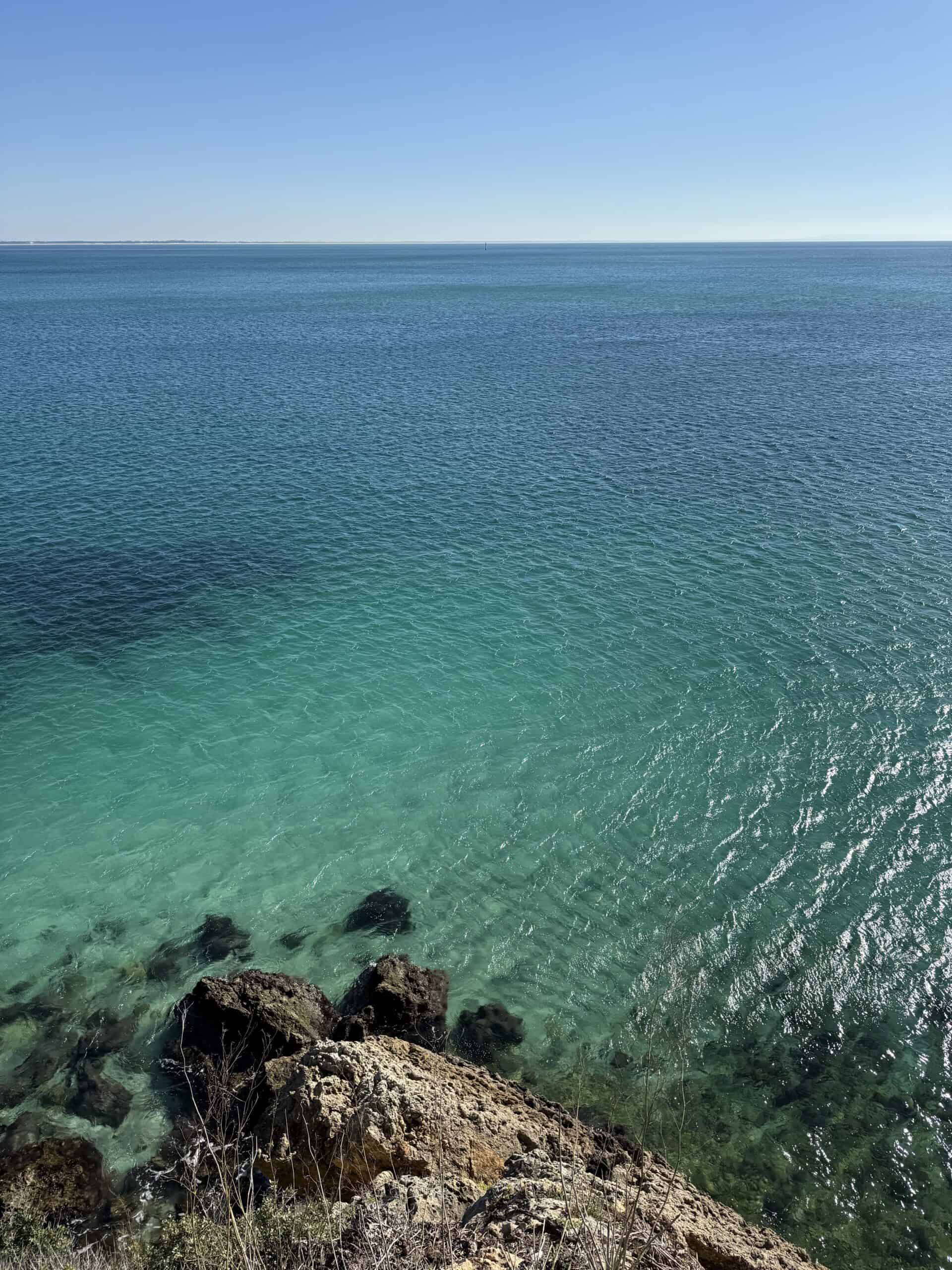
I loved how different Setúbal and Arrábida felt from the coastline farther north, with limestone hills rising above the ocean and sheltered beaches tucked below. There’s plenty to do outdoors, from hiking and kayaking to snorkelling and scuba diving.
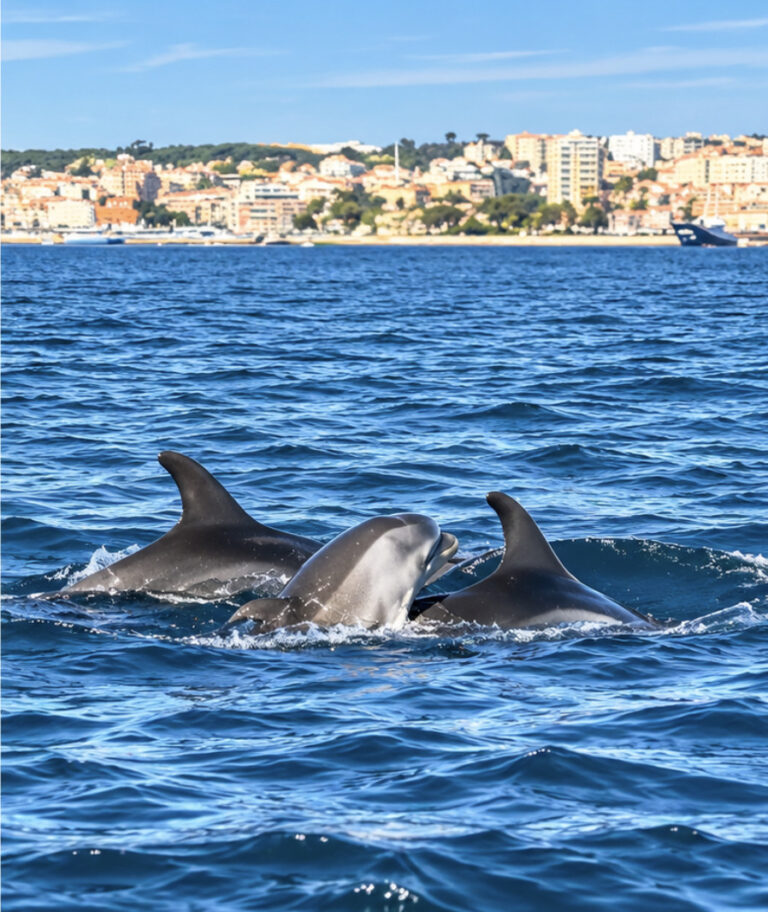
You can visit from Lisbon or Cascais in a day, but I’d allow a weekend to enjoy the area at a slower pace. My Setúbal and Arrábida weekend guide brings together the beaches, dolphin watching and places I explored. For another seaside stop nearby, my Sesimbra guide covers the old town, waterfront and coastal outings.
How to Plan Your West Coast Portugal Road Trip
One of the best things about Portugal’s west coast is that you don’t need weeks to experience its highlights. Many of the most beautiful destinations are within a couple of hours of Lisbon, making it possible to explore through day trips or a longer road trip.
If you have three days, I’d focus on Cascais, Cabo da Roca, and Sintra. With five days, you can add Ericeira and Nazaré, giving yourself a wonderful mix of coastal towns, hiking, and dramatic ocean scenery.
With a full week, consider adding Peniche and the Berlengas Islands, particularly if you’re interested in surfing or scuba diving. You could also dedicate a day to exploring the Arrábida region south of Lisbon.
Renting a car offers the greatest flexibility, especially for reaching secluded beaches and smaller coastal villages. However, Cascais is easily accessible by train from Lisbon, and guided tours can help you explore destinations such as Sintra and Cabo da Roca without driving.
If you’d prefer to stay in one place and explore from there, my best day trips from Lisbon compare the outings I’d consider.
For a longer road trip, you could continue north toward Porto or south along the Alentejo coastline toward the Algarve. I didn’t make it all the way to the Algarve during my trip, but there’s certainly enough along Portugal’s western coast to keep adventurous travellers busy.
When Is the Best Time to Visit Portugal’s West Coast?
The best time to visit depends on what you want to experience. Summer brings warmer weather and longer beach days, but it’s also the busiest season, particularly in popular towns such as Cascais and Ericeira.
Spring and early autumn are wonderful for hiking, road trips, and sightseeing, with generally pleasant temperatures and fewer crowds. If surfing is a priority, conditions vary depending on the destination and your experience level.
Winter is particularly interesting for travellers hoping to witness Nazaré’s giant waves, although the weather can be unpredictable.
I visited Portugal between late November and December and loved exploring the coastline outside the traditional summer season. While it wasn’t always beach weather, the cooler temperatures were well suited to coastal walks, hiking, and scenic drives.
For a cooler-season visit, my Portugal winter packing list covers what I’d bring for coastal walks and changing weather.
Slow Down and Experience Portugal Beyond Lisbon
If there’s one thing my month in Portugal reminded me, it’s that you don’t need to rush to truly experience a destination. Some of my favourite memories came from simple moments, like morning walks along the Cascais waterfront, spontaneous coastal drives, and stopping to admire a beautiful view.
Portugal’s west coast is perfect for slowing down, exploring charming villages, hiking along dramatic cliffs, and enjoying the Atlantic scenery. My advice? Choose a few places that genuinely interest you and give yourself time to enjoy them. You don’t need to see everything to make your trip unforgettable.
I hope this guide inspires you to explore Portugal’s beautiful west coast! I’d love to hear about your adventures. Have you visited any of these places, or are you planning your first trip? Share your experience or questions in the comments below!
For more ideas to plan your trip, explore my Portugal travel guides, with firsthand itineraries, coastal escapes and practical tips from my month exploring the region.