10 Mistakes to Avoid in Lisbon on Your First Visit
Lisbon is the kind of city where I want to walk without watching the clock. A tiled façade catches my eye, a little street pulls me in, and suddenly I’m sitting at a viewpoint much longer than planned.
Still, a little preparation helps you enjoy that freedom. These mistakes to avoid in Lisbon cover the practical details that can cost you time and money, along with something I feel especially strongly about: leaving room to wander.
This post contains affiliate links. If you make a booking or purchase through one of these links, I may earn a small commission at no additional cost to you. Your support helps me continue creating honest, firsthand travel guides—thank you! Read my full affiliate disclosure for more information.

1. Assuming You Should Speak Spanish
As a French speaker, I often hear people say that Portuguese is basically Spanish. And let me tell you: it’s not! French, Spanish, and Portuguese share Latin roots, but each has its own pronunciation, vocabulary, and identity. Having similarities doesn’t make them interchangeable.
If you know some Spanish, you might recognise a few written words in Lisbon. However, don’t assume Spanish is the language to use when speaking with locals. Start with a Portuguese greeting, then ask whether the person speaks English or another language you share.
You don’t need to arrive fluent. Learning a few Portuguese words is a simple way to show respect for the place you’re visiting.
- Olá: Hello.
- Bom dia: Good morning.
- Por favor: Please.
- Obrigada / obrigado: Thank you. I use obrigada; men traditionally use obrigado.
- Fala inglês?: Do you speak English?
2. Riding Tram 28 Just to Tick It Off Your List
Lisbon’s yellow trams are beautiful, and I understand why riding Tram 28 ends up on so many travel wish lists. But waiting in a long queue only to squeeze into a packed tram might not be the experience you’re imagining.
When it’s crowded, you can find yourself standing shoulder to shoulder with other passengers, struggling to see past them. Those lovely streets you came to admire? They’re harder to appreciate when your view is someone else’s backpack. Tram 28 is also a well-known target for pickpockets, so keep your bag closed and your valuables secure.
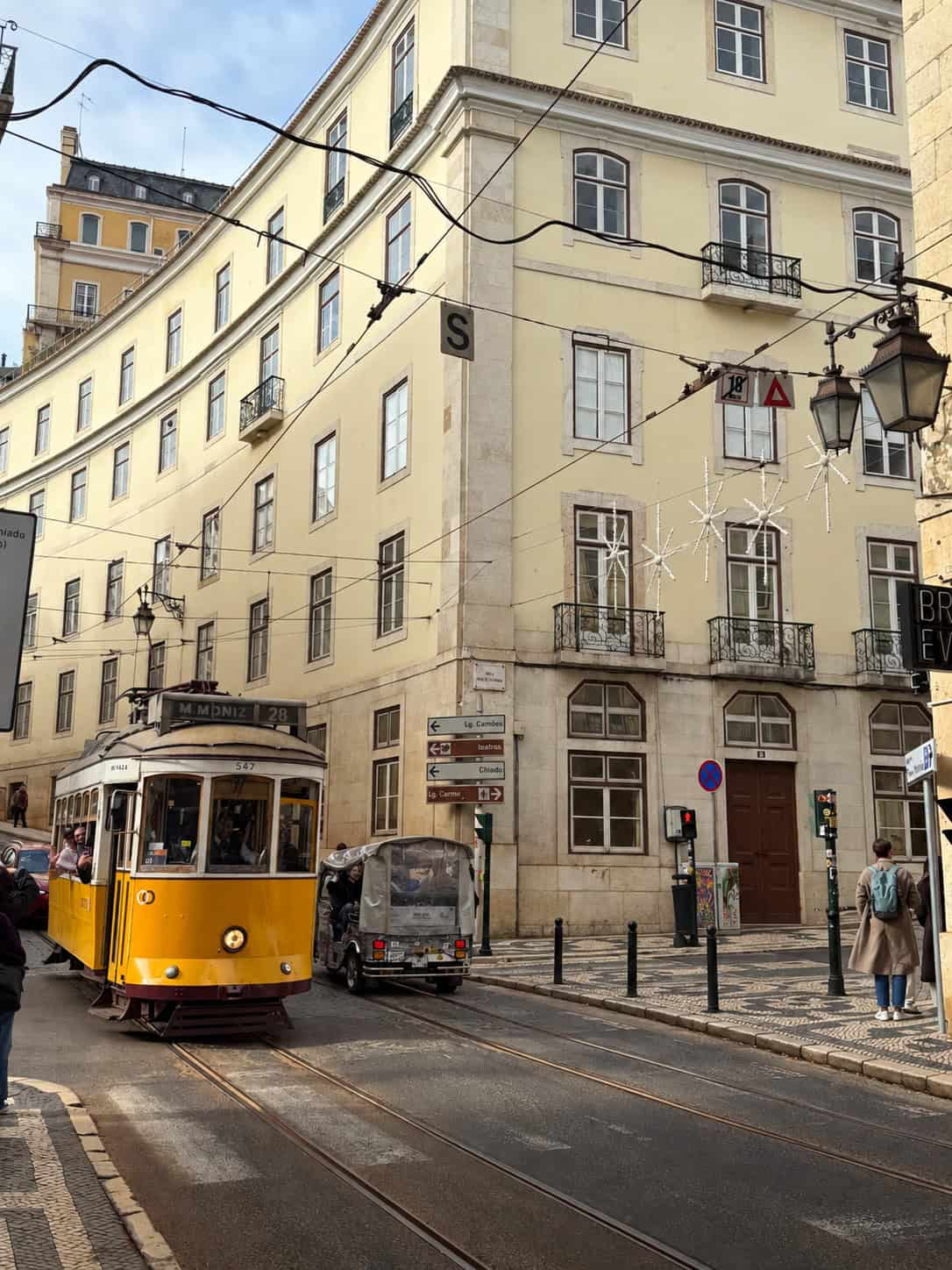
If you mainly want a lift up toward the castle, bus 737 is another option. It connects Praça da Figueira with Castelo, passing through part of the same historic area. It doesn’t follow the full Tram 28 route, but it can be a more enjoyable alternative if the tram is packed and the bus has room.
Personally, what I love about Lisbon is the freedom to explore on foot. I want to stop when a tiled building catches my eye, follow a little side street, or stay at a viewpoint longer than planned. As long as you’re comfortable with the hills, walking leaves room for all of that.
You don’t need to ride Tram 28 to enjoy Lisbon. Admire the yellow trams as they pass, take a photo from a safe spot, and keep wandering if that sounds more like your kind of day.
3. Waiting in Line for Santa Justa When You Mainly Want the View
October 2026 update: CARRIS currently lists the Santa Justa lift as temporarily closed. Check its official status before planning a ride.
When the lift is operating, ask yourself what you’re looking forward to: riding the historic elevator or enjoying the views from the higher part of the city? If it’s mainly the second, you can walk through Chiado toward Largo do Carmo instead. You’ll reach the neighbourhood near the lift’s upper level while discovering a few more streets along the way.

4. Buying Every Tram and Elevator Ticket on Board
Buying a ticket when you board is convenient for a spontaneous ride. However, doing it every time can make getting around more expensive than necessary. Getting a reusable transport card early in your trip makes things easier.
I bought my Navegante card at the counter at Cascais train station and used it on buses and the metro in Lisbon. The process was straightforward, and topping it up at the ticket machines was easy too. Once I had it, I didn’t have to buy a separate ticket every time I boarded.
For comparison, CARRIS’s published 2026 fares include:
| Ticket option | Price |
|---|---|
| Onboard tram ticket | €3.30 |
| CARRIS zapping journey | €1.72 |
| 24-hour CARRIS/Metro ticket | €7.25 |
Zapping is prepaid travel credit loaded onto a compatible transport card, such as the Navegante occasional card. It’s useful when you plan to mix walking with a few transport journeys. If you expect to ride frequently, compare it with the 24-hour CARRIS/Metro ticket to see which suits your day.
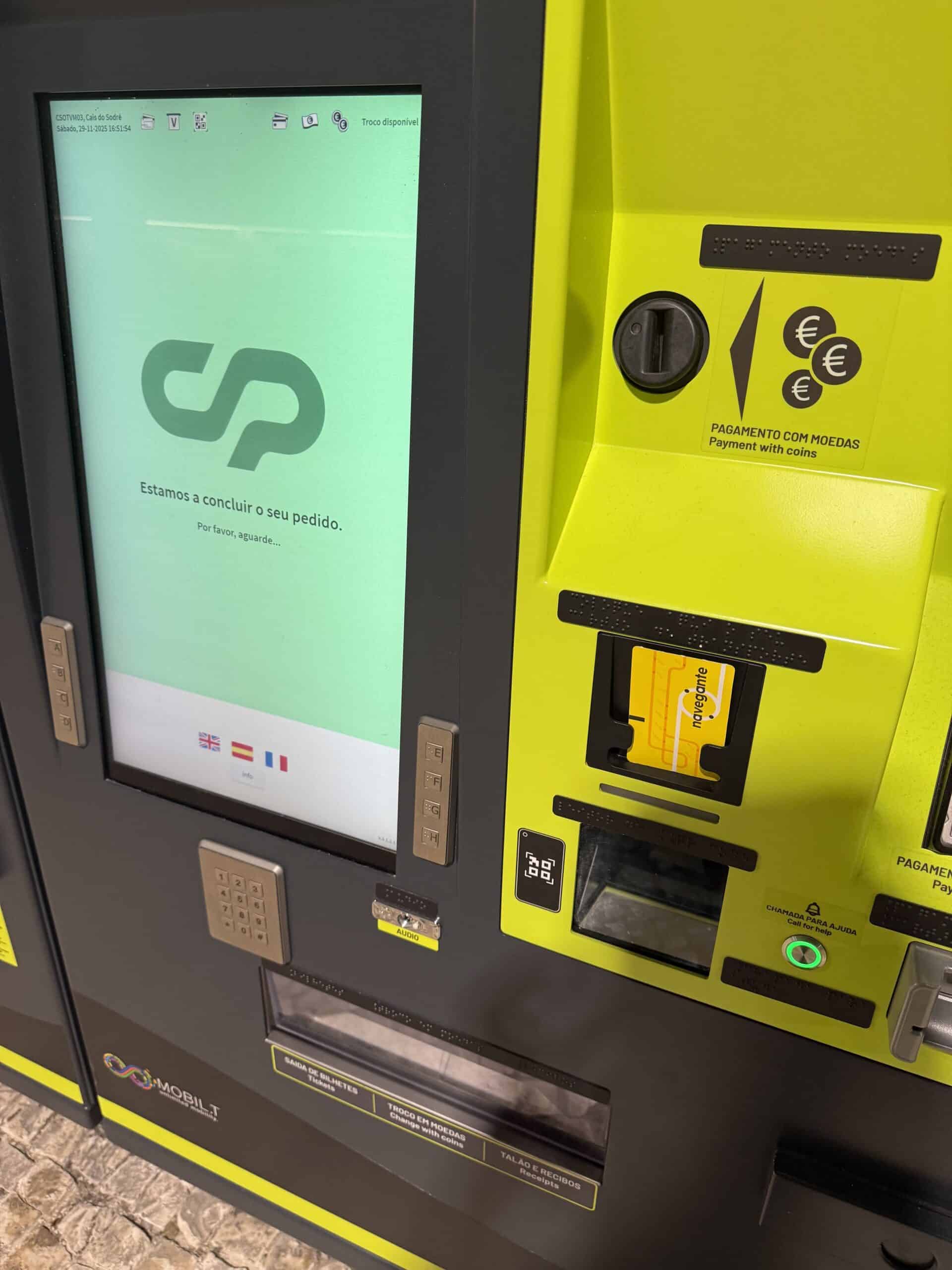
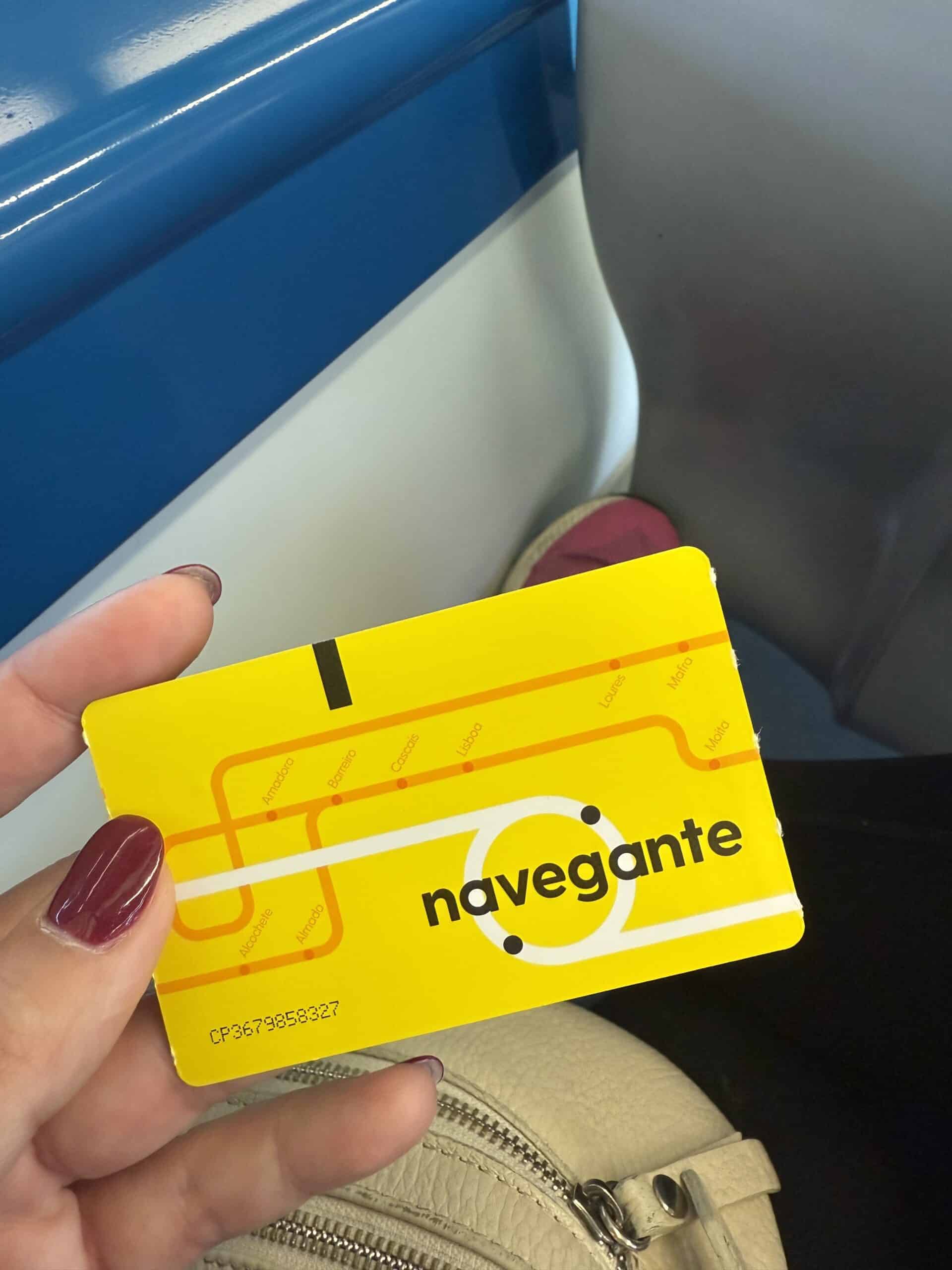
The card itself isn’t an unlimited travel pass: what you load onto it determines how you can use it. Ask at the counter if you’re unsure which option fits your plans. Don’t assume every transport option uses the same fare or transfer rules.
5. Assuming the Bread, Olives, and Cheese Are Free
You sit down at a restaurant, and a basket of bread, olives, or cheese arrives before you’ve even ordered. It’s easy to assume they’re included with your meal, but in Portugal, these small items are often called couvert and can be charged when you eat them. Before helping yourself, check the menu or ask the price. If you don’t want them, simply decline and ask for them to be taken away; unrequested items left untouched shouldn’t be added to your bill.
There’s nothing wrong with enjoying a few bites while you wait for dinner. Just make sure you know what you’re paying for, so a pleasant start to your meal doesn’t become a surprise when the bill arrives.
6. Visiting the Famous Attractions and Leaving No Time to Wander
This is the advice I would put at the heart of a Lisbon trip: give yourself time to follow your curiosity. During my time in Alfama, I stayed at Santa Luzia for hours, enjoying a glass of wine and a cheese and meat platter on the terrace. I also stopped for a pastel de nata at Casa São Miguel. Those simple moments were just as much a part of discovering Lisbon as visiting a famous monument, and I wouldn’t have wanted to cut them short to keep up with a packed itinerary.
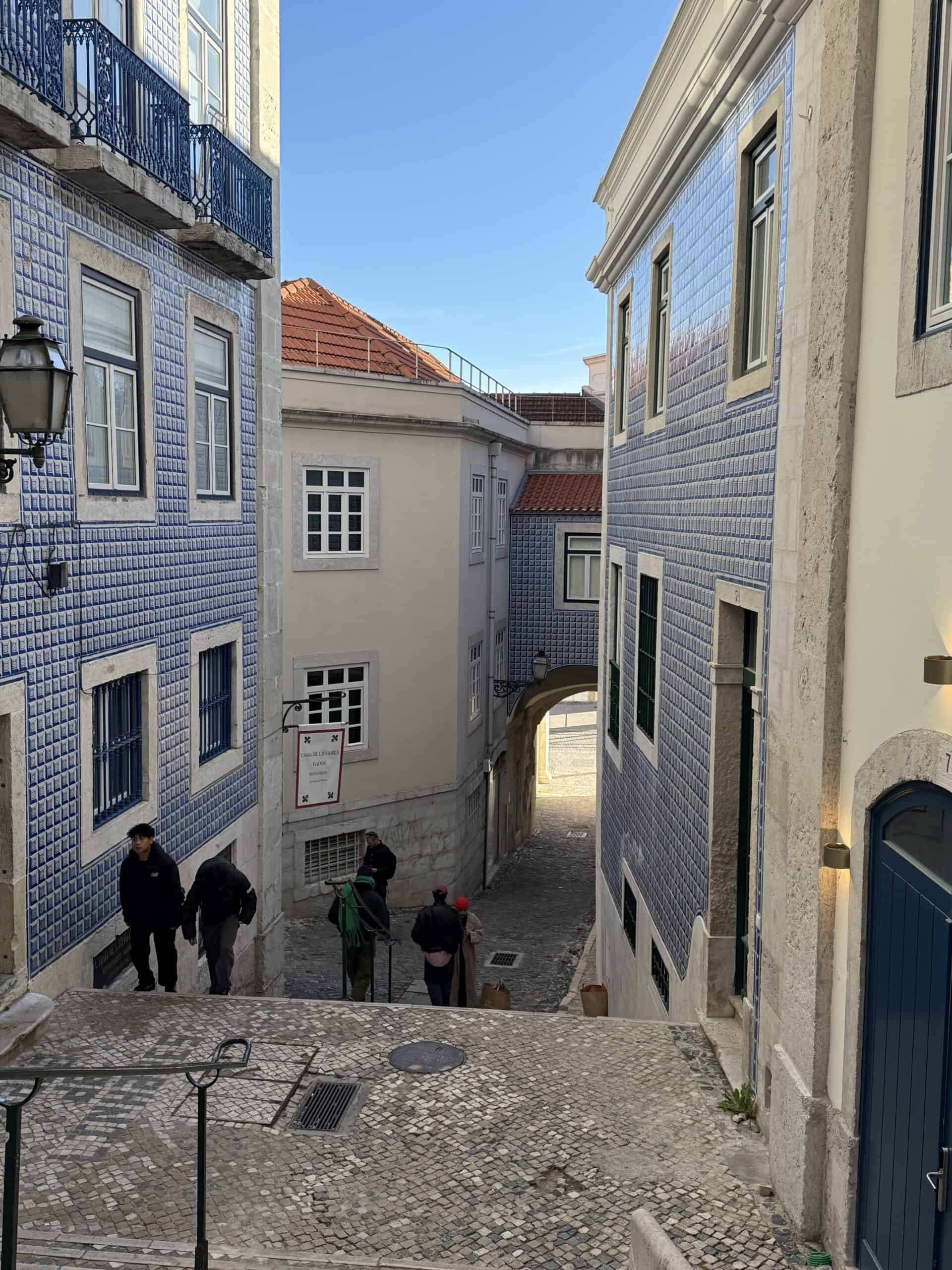
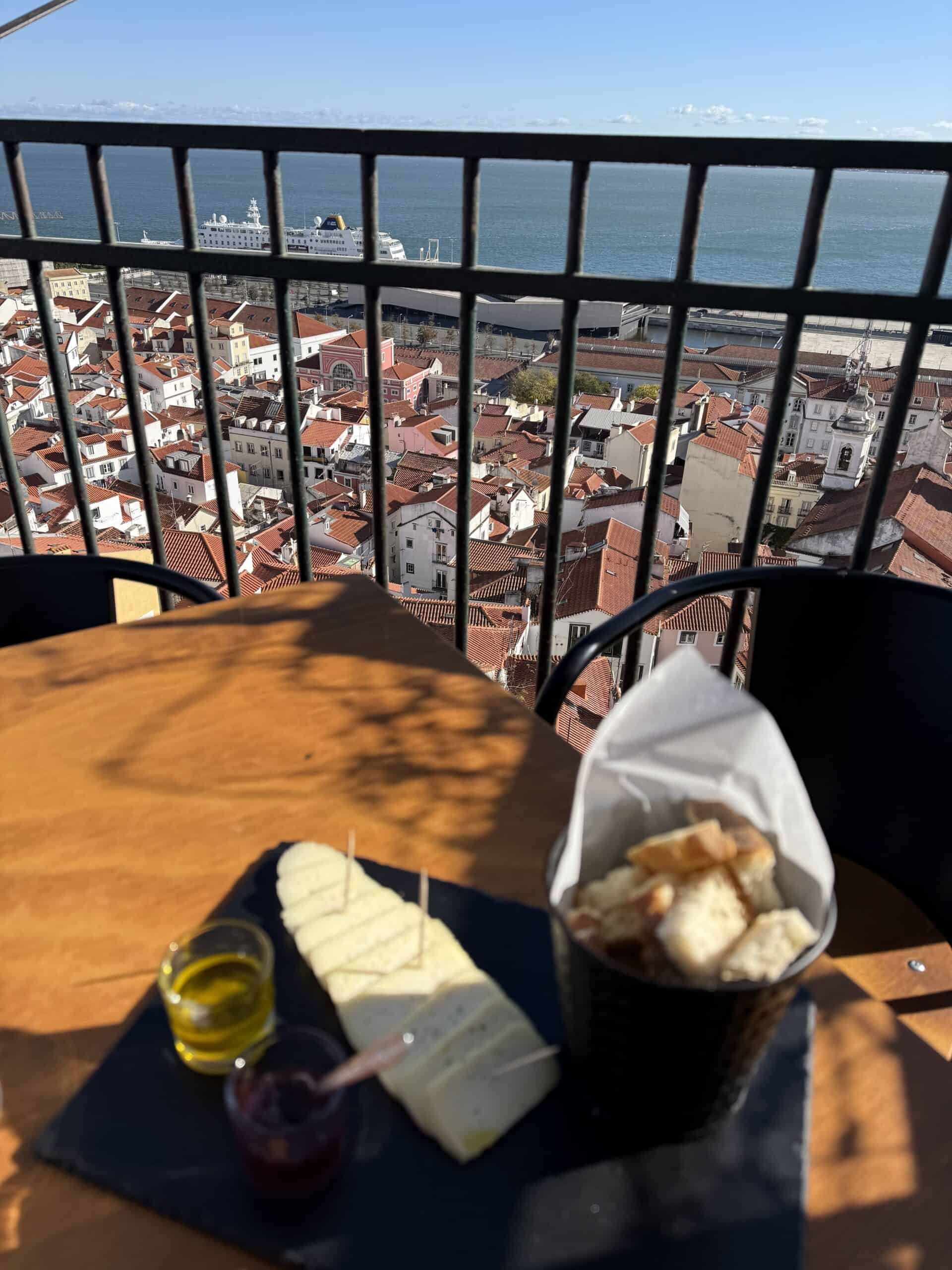
You can visit the main attractions and still make room for quieter discoveries. Choose a few priorities for the day, then leave space to take a different street, browse a little shop, or sit somewhere simply because you like the atmosphere. A hidden gem doesn’t have to be a secret address you found online. Sometimes it’s a peaceful corner or a small detail you would have missed if you’d been rushing to the next stop.
For a starting structure, use my 3-day Lisbon itinerary, then give yourself permission to change the plan when something catches your eye.
7. Renting a Car for Your Stay in Central Lisbon
A rental car can be useful for a Portugal road trip, but for days spent exploring central Lisbon, I would usually leave it out of the plan. Narrow streets, hills, parking, and access restrictions can add unnecessary hassle when you can get around on foot and by public transport. When you’re tired or heading somewhere less convenient, a taxi or ride-hailing trip can fill the gap.
If your road trip starts after Lisbon, consider collecting your car when you leave the city. That way, you avoid paying for rental days and parking while it sits unused. If you’re arriving with a vehicle, check your accommodation’s parking arrangements and costs before booking, since a central location doesn’t necessarily mean an easy place to park.
Choosing the right base also makes getting around easier. My guide to where to stay in Lisbon can help you find a neighbourhood that suits how you want to explore.
8. Buying a Lisboa Card Before Planning Your Itinerary
The Lisboa Card is a sightseeing pass that combines public transport with included or discounted admission to participating attractions for 24, 48, or 72 hours. It can offer good value, but plan your visits before buying it. Some attractions offer only a discount, while others may be closed on your chosen day or require a reservation.
The included trains to Sintra and Cascais can add value if you’re planning day trips from Lisbon during the card’s validity. However, don’t assume the attractions at your destination are included too. Compare the transport savings and attraction benefits with what you would pay separately. For ideas beyond the city, read my guide to the 9 best day trips from Lisbon.
For Jerónimos Monastery and Belém Tower, the current booking process requires your physical Lisboa Card number, and entry depends on available time slots. Choose the places you genuinely want to see, check their opening days and entry requirements, then compare the pass with buying tickets separately. That way, the card supports your plans without making you feel you need to rush through Lisbon to get your money’s worth.
9. Underestimating the Hills and Wearing the Wrong Shoes
A short distance on a map doesn’t always feel short in Lisbon. Between the stairs, uphill streets, and uneven paving, your feet may have a different opinion about the afternoon’s plans. Bring shoes you already know you can walk in comfortably, ideally with good grip. Lisbon’s smooth paving can become slippery when wet, so pay attention to the soles as well as the cushioning.
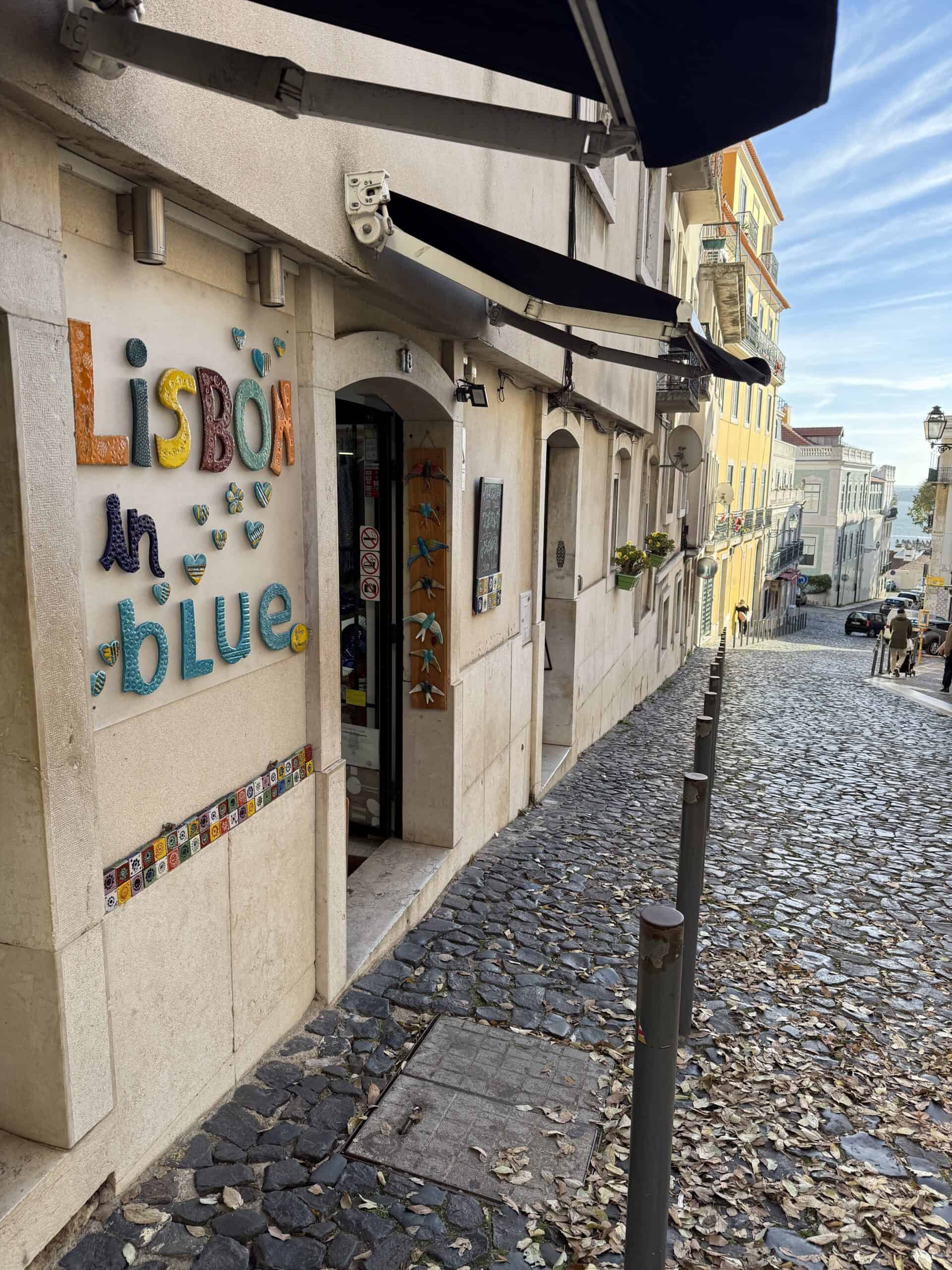
To make exploring more enjoyable, group nearby sights together, leave time for breaks, and use transport when another climb stops sounding appealing. The same thinking applies when choosing accommodation: check the actual route from the nearest station, not just the distance. A short uphill walk with a suitcase can feel very different from a stroll along a flat street, and a little planning can make your arrival much easier.
10. Choosing a Restaurant Just Because It’s Beside a Famous Attraction
Portugal has wonderful food, but after trying a few different places, I found that the smaller restaurants away from the busiest areas served some of my favourite meals. When you’re hungry near Praça do Comércio or Rossio, it’s tempting to take the first available table. Still, if the food is your priority, I’d keep walking and explore a few quieter streets before deciding.
Personally, menus displayed in six languages and people trying to persuade me to sit down are my cue to look elsewhere. That doesn’t automatically mean the food is bad, but it’s not the dining experience I’m looking for. I’d rather find a small restaurant where the menu makes me curious than choose somewhere because someone caught my attention outside.
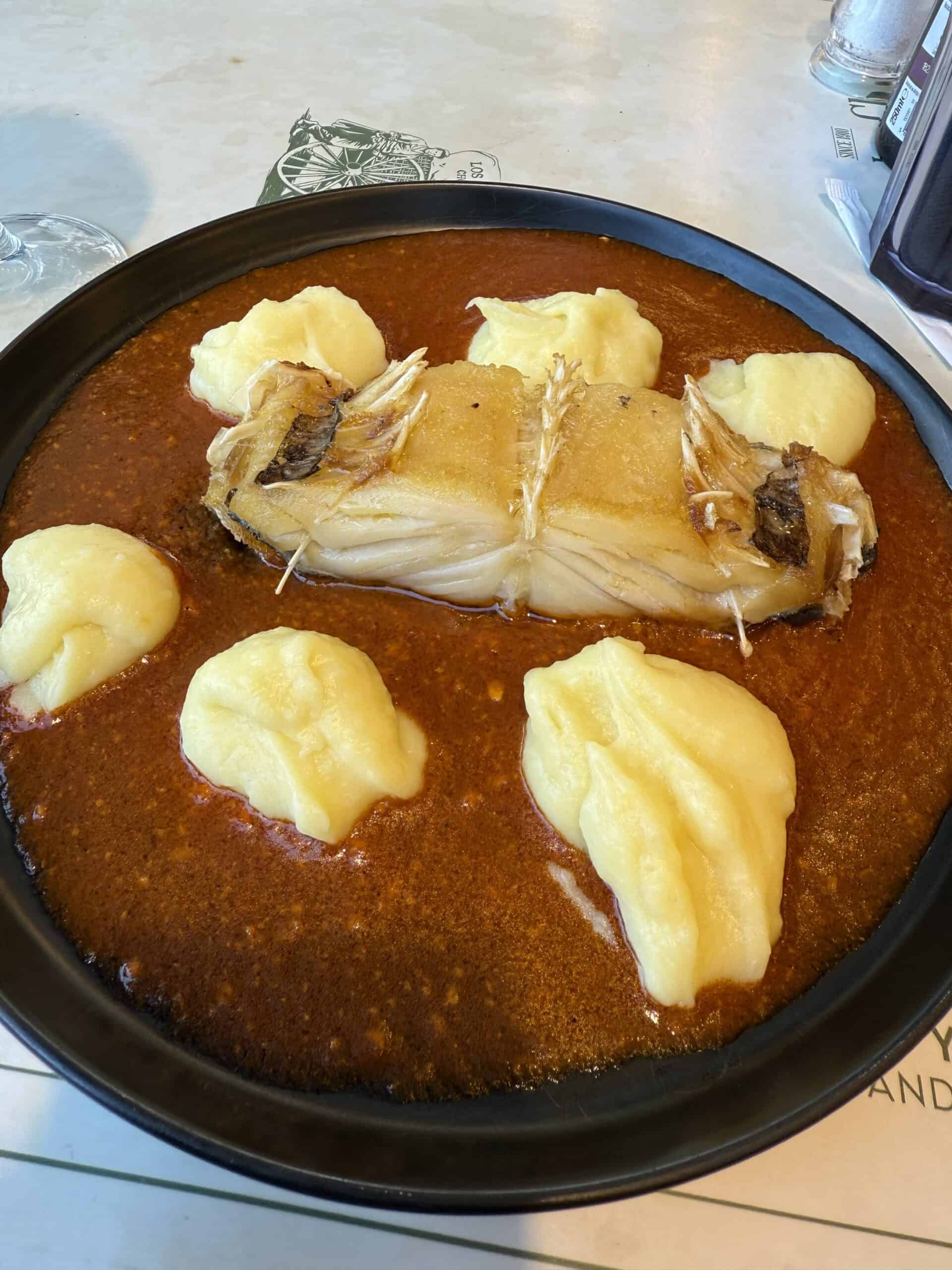

Of course, sometimes the terrace, the view, and the atmosphere are exactly what you want, and there’s nothing wrong with that. Just be clear about what you’re choosing. If you’re hoping for a memorable meal, give yourself time to look beyond the busiest squares. At lunchtime, watch for prato do dia, the daily special, and ask what’s included, it can be a lovely way to try something Portuguese.
Final Thoughts: Leave Room to Enjoy Lisbon
A little planning goes a long way in Lisbon. Knowing how transport tickets work, choosing comfortable shoes, and checking what’s open can save you unnecessary expense and frustration.
But the advice I care about most is to leave yourself time to enjoy being there. You don’t need to ride every tram, visit every monument, or move on from a viewpoint just because your itinerary says it’s time.
Some of my favourite moments were the simplest: a pastel de nata, a glass of wine, and hours spent looking out over Alfama. Make room for your own version of those moments. That’s part of discovering Lisbon, too.
Keep Exploring Portugal
Planning the rest of your trip? These Portugal guides will help you choose where to stay, organise your days, and explore beyond Lisbon:
- 3 Days in Lisbon: The Perfect First-Timer Itinerary — A starting point for organising your first visit.
- Where to Stay in Lisbon — Find a neighbourhood that fits your travel style.
- 9 Best Day Trips from Lisbon — Ideas for exploring beyond the capital.
- Sintra Day Trip: A Realistic One-Day Guide — Plan a day of palaces, gardens, and exploring on foot.
- Things to Do in Cascais: My Favourite Spots — Seaside walks, colourful streets, and places I loved during my stay.
- Cabo da Roca Day Trip — Coastal views and my hike to Praia da Ursa.
- Big Wave Surfing in Nazaré — Plan a visit to see Portugal’s extraordinary waves.
You can also browse all my travel guides on my Portugal destination page.