El Nido to Coron by Boat: The Ultimate 3D2N Island Expedition
Instead of flying or taking the ferry, I travelled from El Nido to Coron on a three-day boat expedition, sleeping on remote islands, snorkeling untouched reefs and spending almost the entire journey in my bathing suit.
Palawan is an island province in the western Philippines, known for its limestone cliffs, clear lagoons and hundreds of smaller islands. El Nido sits near the northern tip of Palawan’s main island, while Coron lies farther north in the Calamian Islands. Between them is a scattered world of reefs, sandbars and remote island communities that most travellers simply pass by.
There are faster ways to travel from El Nido to Coron. You can take a ferry or a short flight and simply arrive at your next destination, but I did not want to skip everything in between. Beyond those 2 islands lies another world to explore.
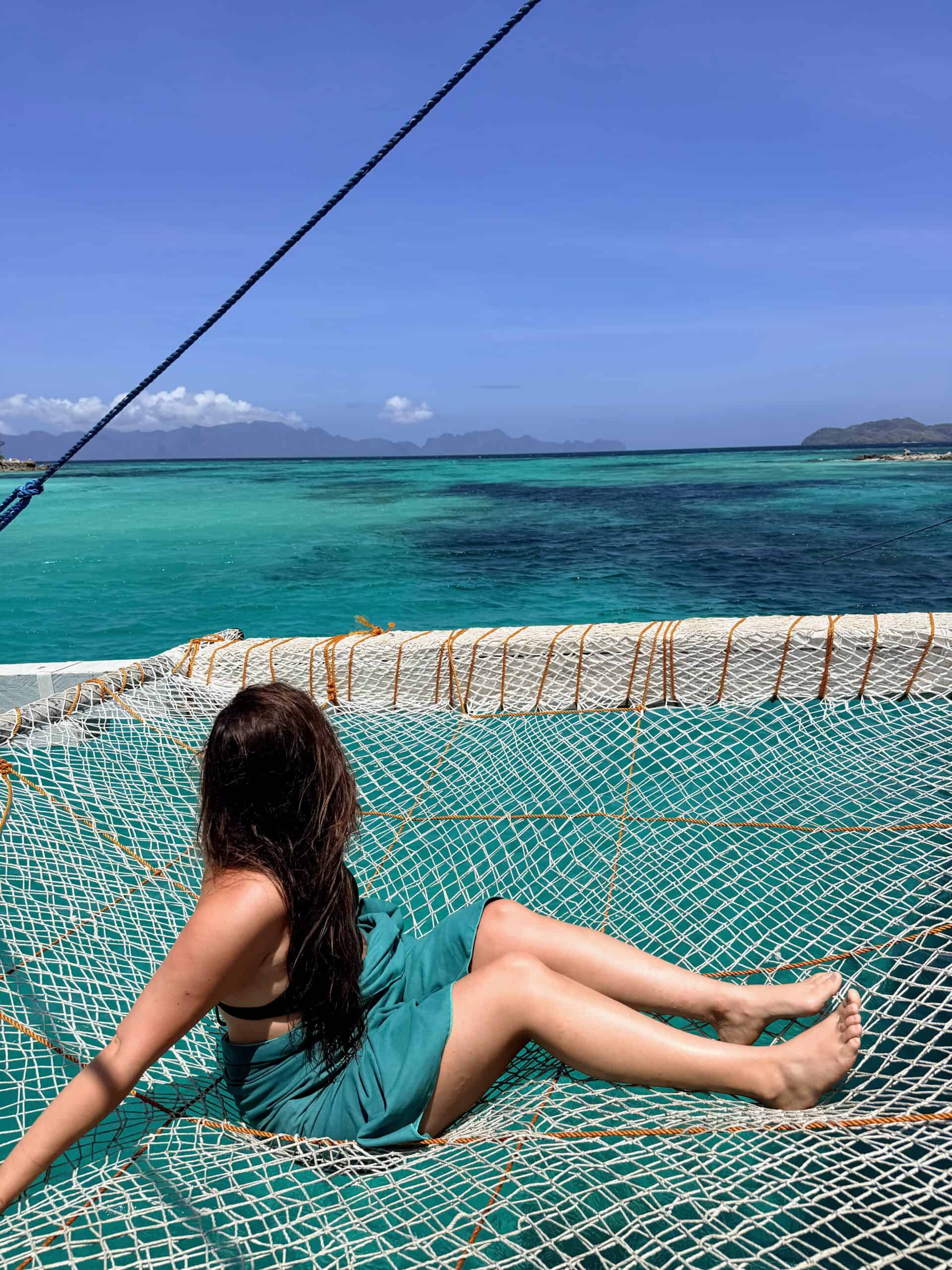
I booked a three-day, two-night El Nido to Coron expedition with Sea Nomads Expedition, turning what could have been a straightforward transfer into one of the most memorable experiences of my time in the Philippines. Out there, we had no reliable internet, no air conditioning and almost no reason to know the time. We travelled between isolated islands, swam to shore with our belongings, shared meals prepared by the crew and slept in simple huts beside the sea. It was raw, beautifully uncomplicated and unlike any other journey I had taken.
This post contains affiliate links. If you make a booking or purchase through one of these links, I may earn a small commission at no additional cost to you. Your support helps me continue creating honest, firsthand travel guides—thank you! Read my full affiliate disclosure for more information.
Day One – Leaving El Nido Behind
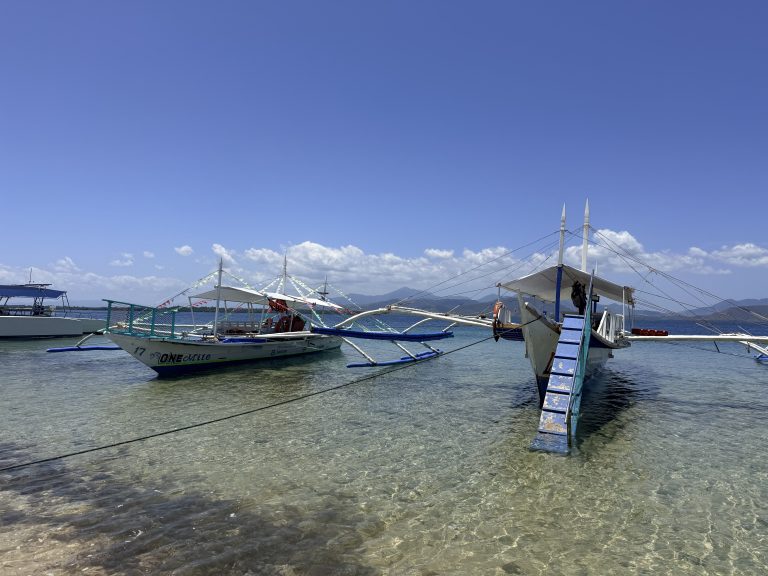
The expedition began at San Fernando Roro Port, outside El Nido. Once everyone and their luggage were aboard, we began the journey north. Our group consisted of 12 travellers; small enough to get to know each other, but large enough to create an easy, social atmosphere.
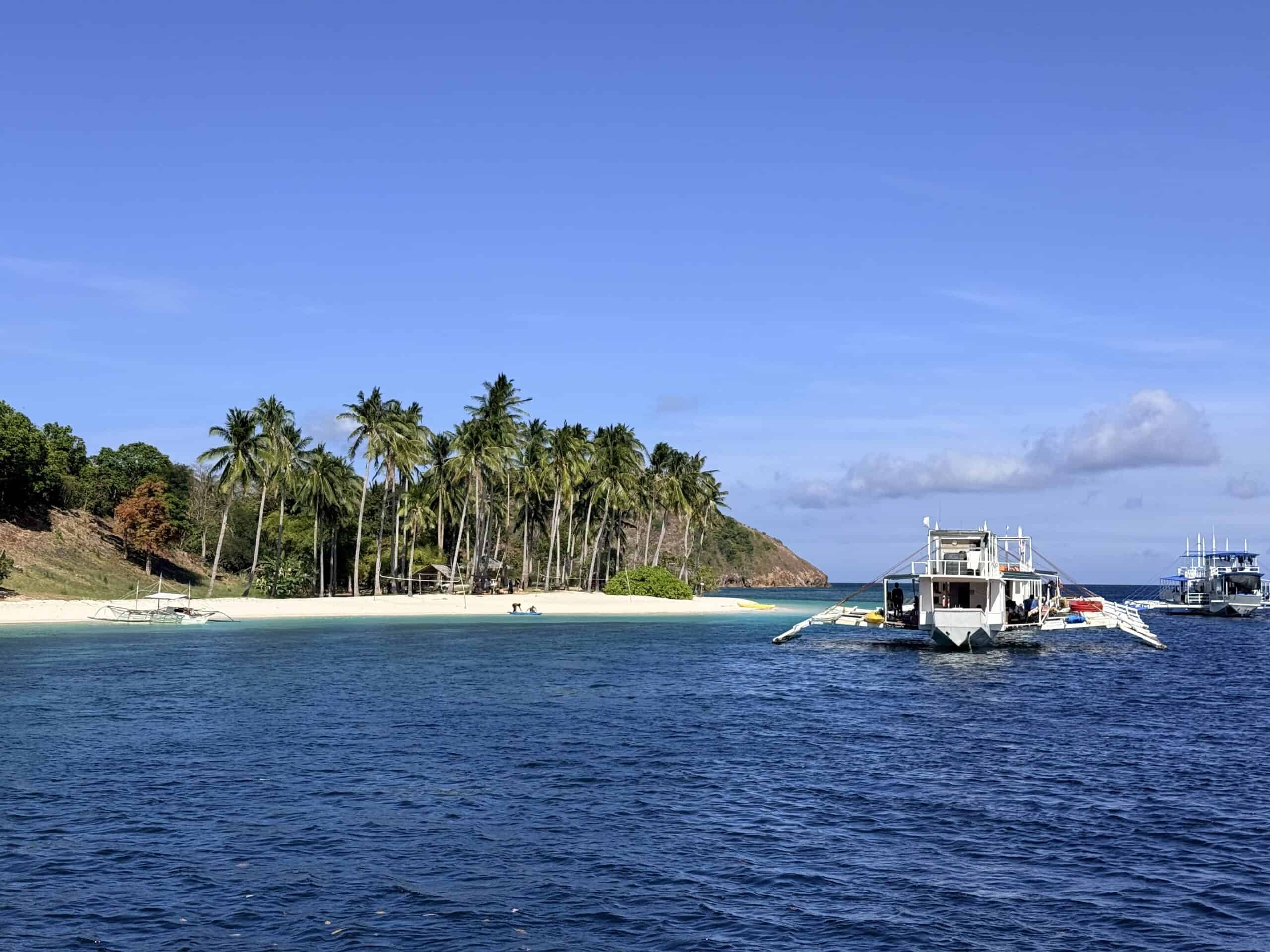
The exact itinerary depends on the weather and sea conditions, so I knew our stops could change along the way. After several hours at sea, we reached Cagdanao Island, our first glimpse of the landscapes waiting between El Nido and Coron.
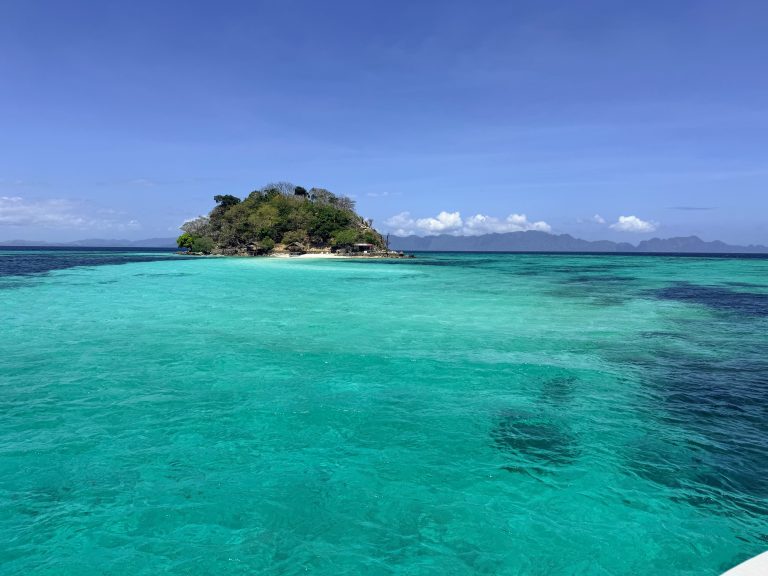
The island had the kind of sandbar people dream of when they picture the Philippines: white sand, clear turquoise water and no sign of development. There were no crowds rushing between photo stops. We could swim, snorkel and feel the first layer of everyday life begin to fall away. For a moment, I felt as though I had stepped inside the postcard.
Swimming Into Our First Basecamp
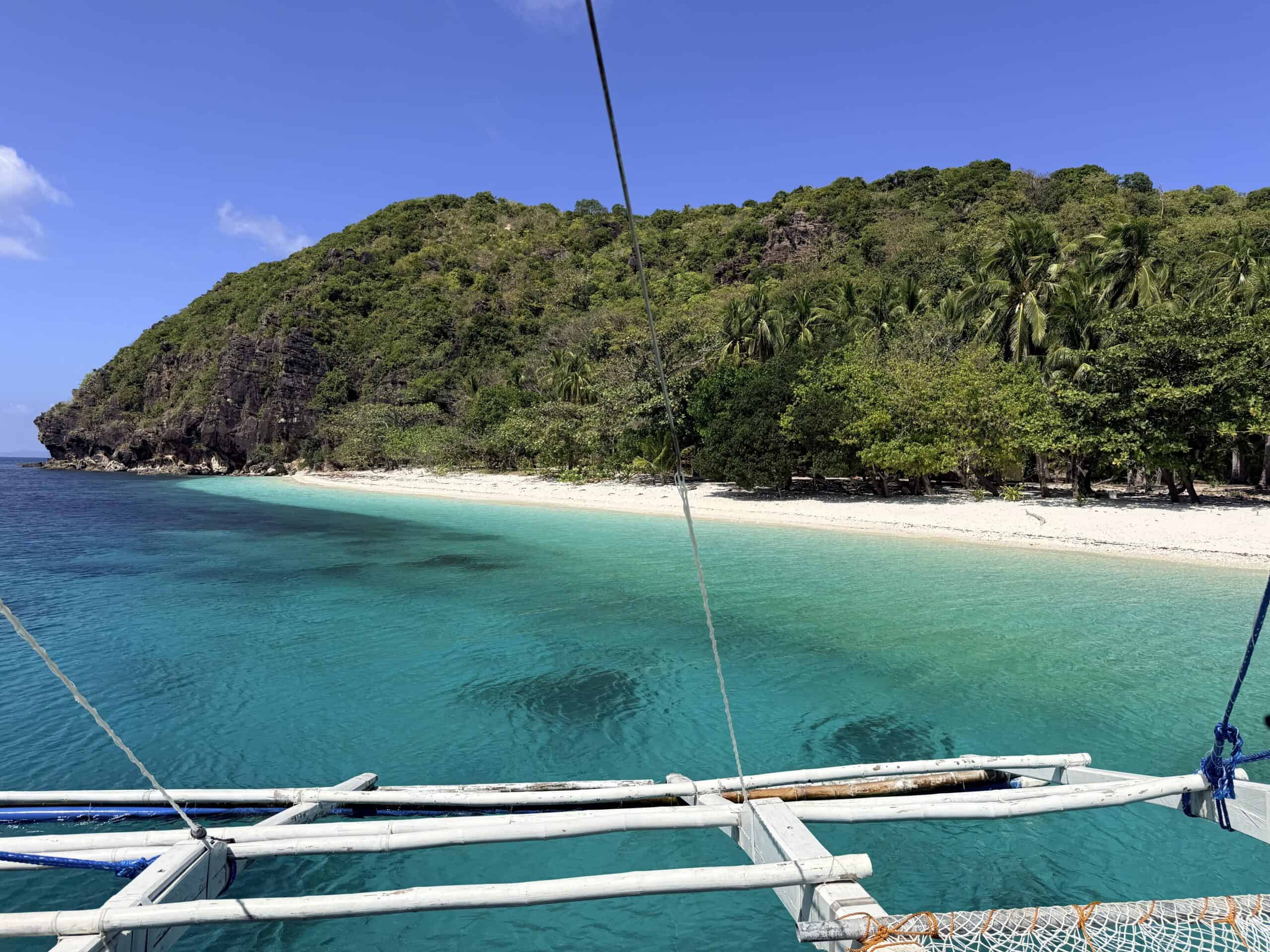
That evening, we arrived at Balinbin Basecamp on Linapacan Island. There was no dock waiting for us. We jumped straight into the water and swam toward the shore, carrying our dry bags and other waterproof belongings above the surface. The crew could transport some items by kayak, but the experience quickly proved that you do not need much on a remote island.
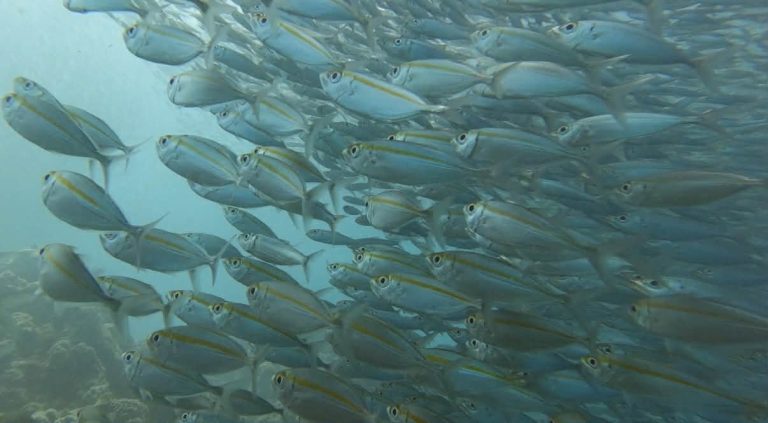
I put on my goggles and lowered my face into the water as I swam toward the beach. Directly beneath me was a colony of sea urchins surrounded by a thriving reef. What had appeared from the boat to be a simple swim to shore suddenly became an unexpected snorkeling experience.
The reef was vibrant and remarkably untouched, and the water was clear enough to reveal the reef in astonishing detail. It was honestly some of the best snorkeling I have ever experienced. That underwater world revealed just how far we were from the busier parts of Palawan. We were not being delivered to a polished resort. I felt as though I were entering a place that still belonged to the wild.
Dolphins at Sunset and a Hammock Beneath the Stars
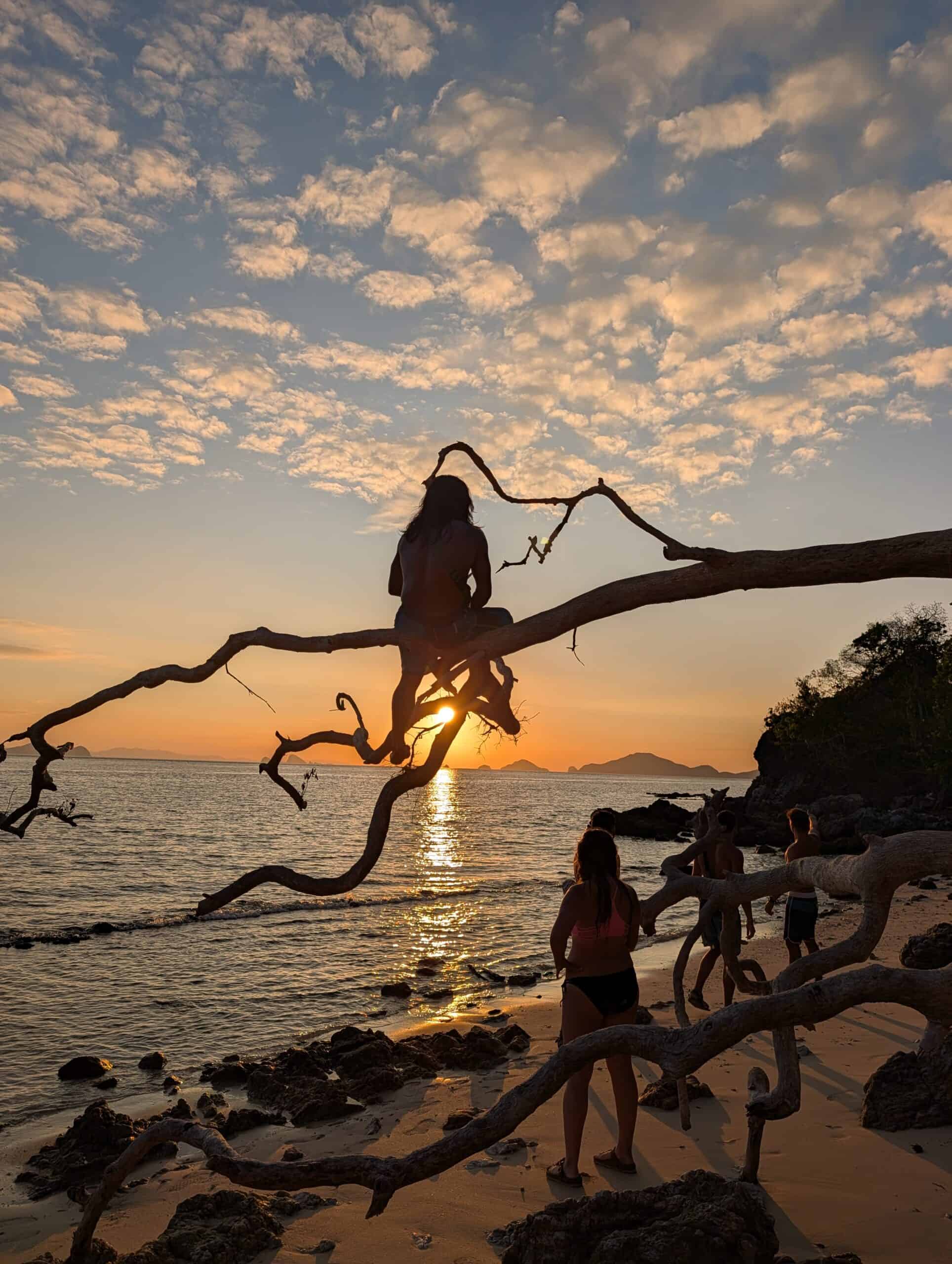
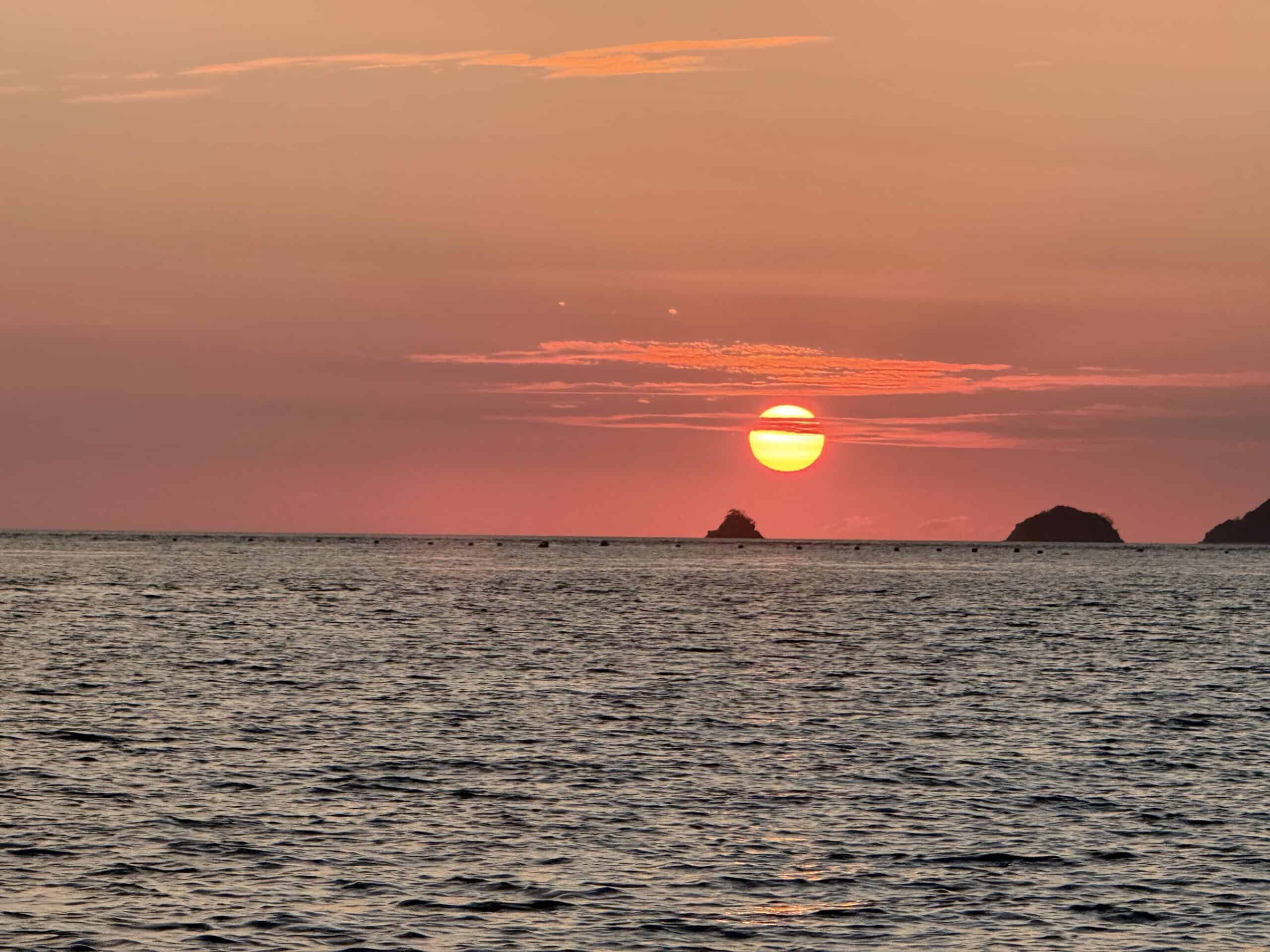
We reached the basecamp shortly before sunset and walked to the end of the island to watch the sky change colour. Then dolphins began jumping in the distance. They were far enough away that we could only watch them move across the open water, but that somehow made the moment feel even more special. Nothing had been staged; I simply happened to be sitting on an island while dolphins crossed the horizon beneath the setting sun.
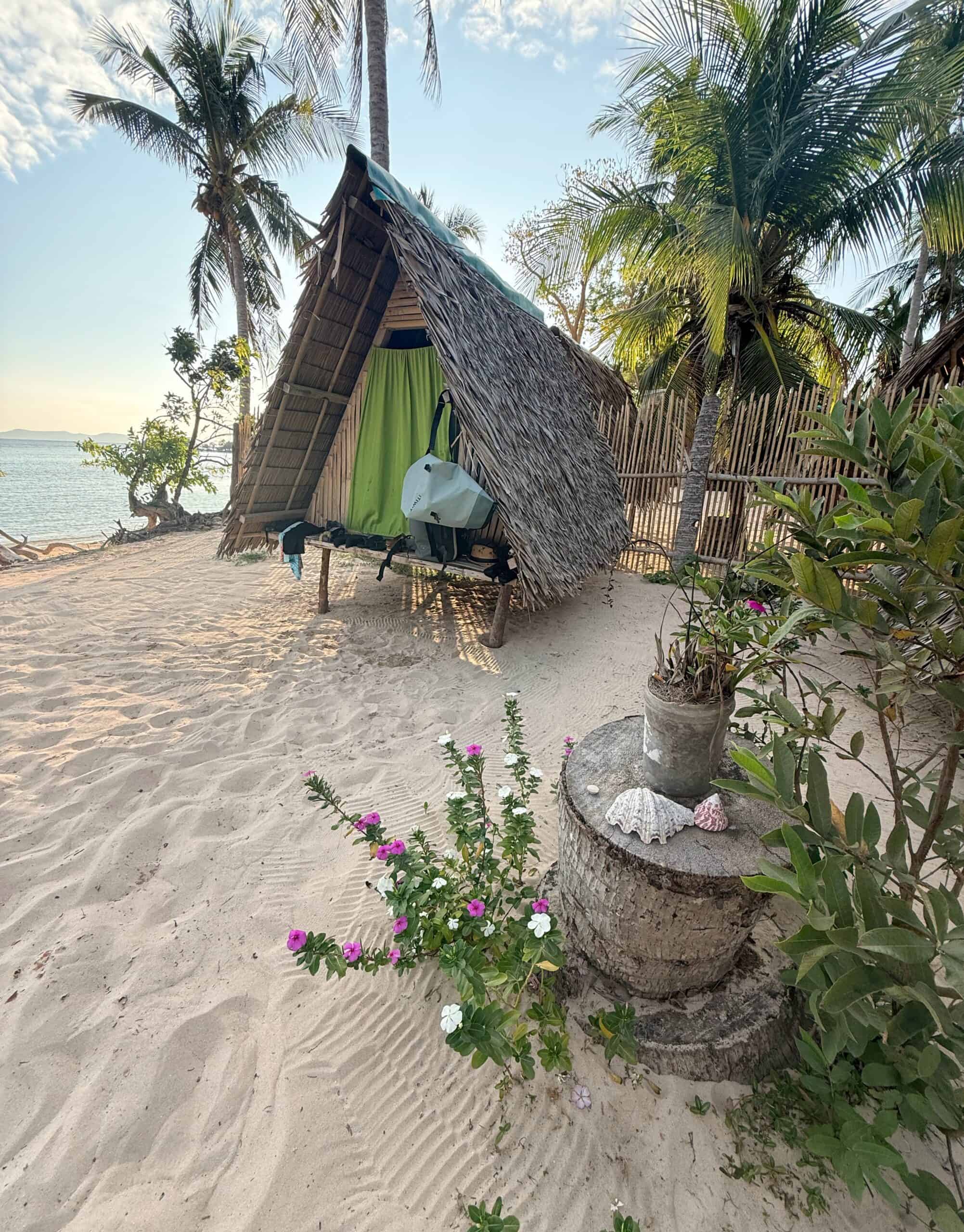
Our accommodation that night was rustic. The small Filipino-style huts slept two people and included mosquito nets, but there was no air conditioning. A basic shared shower was available for the group.
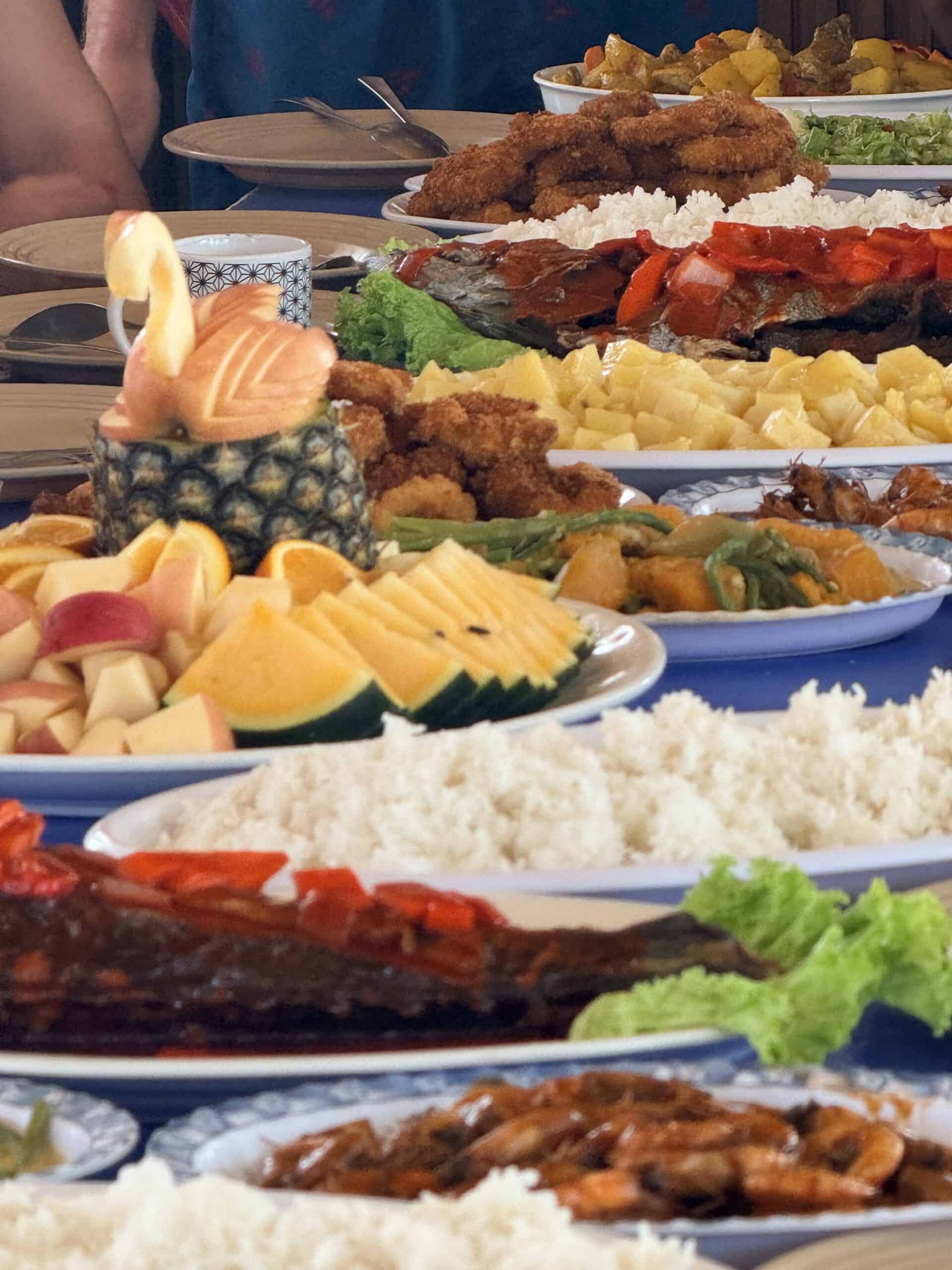
The crew prepared dinner, played music and created a lively atmosphere around the table. The meals featured fresh ingredients, sometimes including fish a crew member had caught while spearfishing earlier that day.
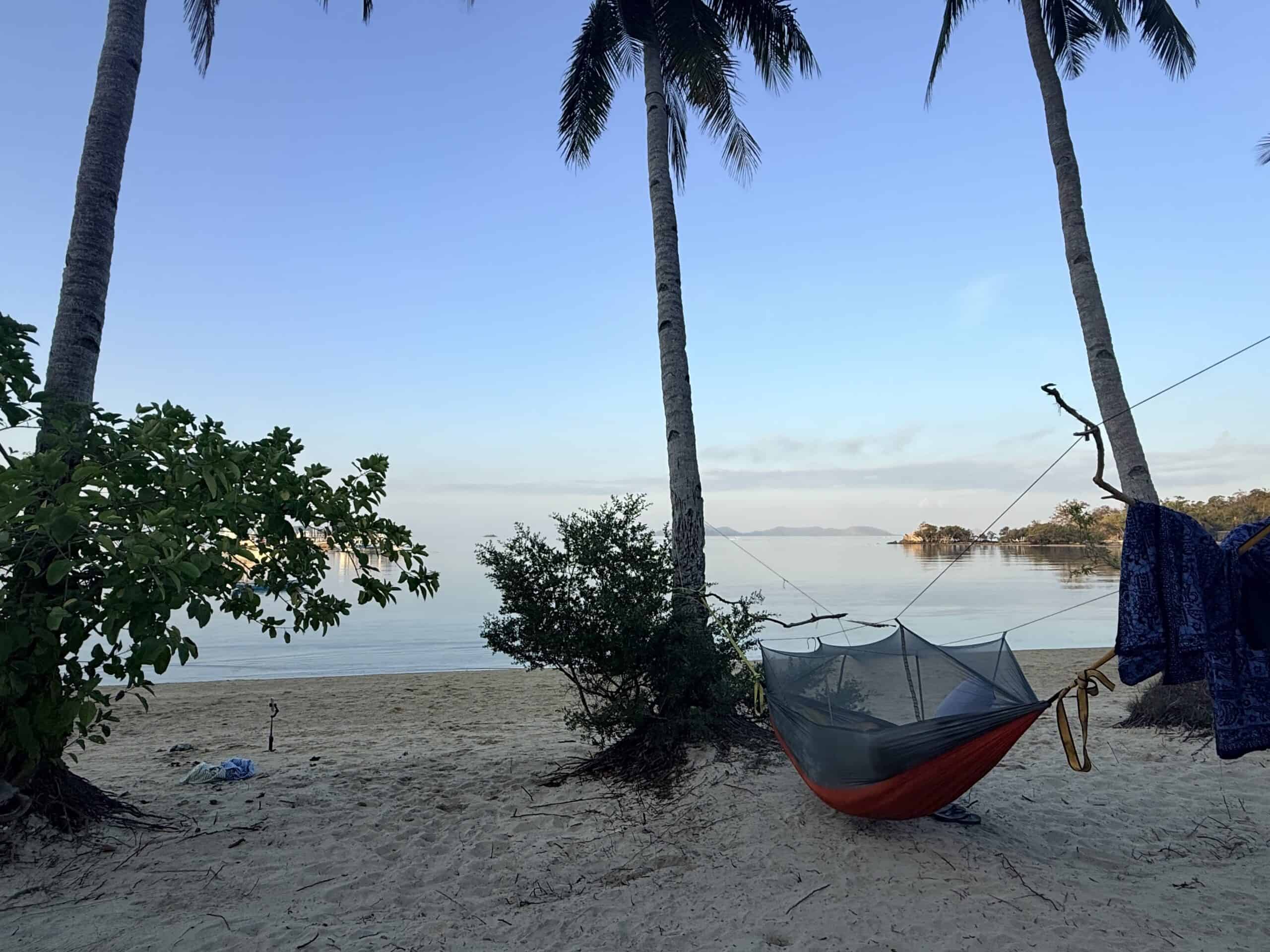
Instead of sleeping inside my hut, I hung my hammock between two palm trees. Sleeping beneath the stars, with the sea nearby and the palms moving above me, gave me an extraordinary sense of freedom. I did, however, make sure there were no coconuts directly overhead. Paradise still requires a little common sense.
Other camps were located nearby, and we could hear them. Light sleepers may want earplugs; this was peaceful island living, not a silent wellness retreat.
Day Two – Sandbars, Cliff Jumping and Island Life
We ate breakfast on the boat the following morning before returning to the open sea. Day two took us toward Doble Nuebe and Dimansig Island, with more white beaches, isolated sandbars and clear water along the way.
At Doble Nuebe, those looking for adrenaline could try cliff jumping, while other stops offered snorkeling, swimming and beach volleyball. The day felt active without being overly structured. You could jump from a cliff, explore another reef or simply stand waist-deep in the water wondering how somewhere so beautiful could feel so far removed from the rest of the world.
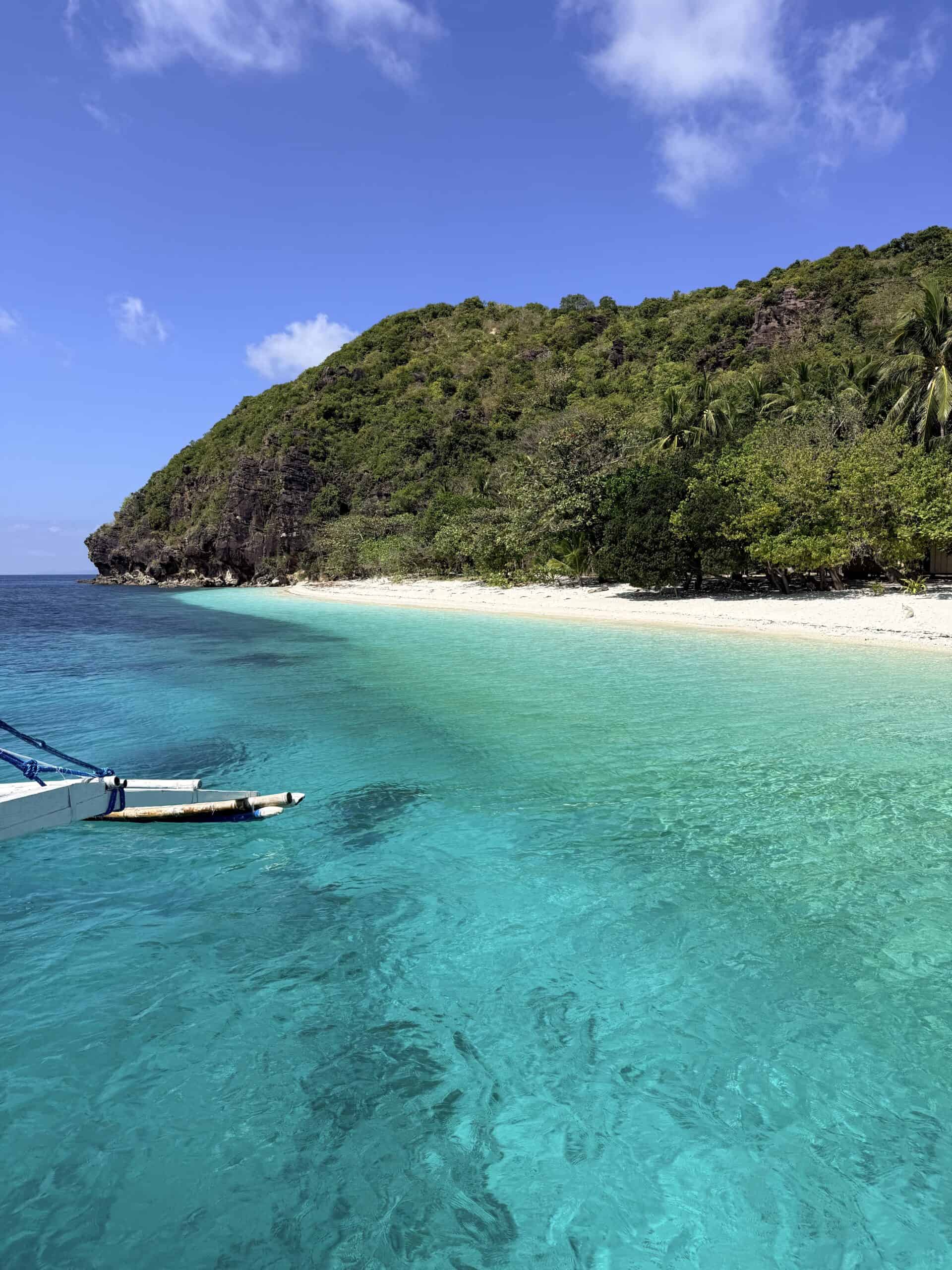
Tip: A rash guard and reef-safe sunscreen felt essential during the long hours we spent swimming, snorkeling and travelling beneath the tropical sun.
At one stop, our guide climbed incredibly high into a coconut tree to collect fresh coconuts for the group. He opened them, and we drank the water before scooping out the soft coconut meat which was just as delicious! Sitting on a remote island in Palawan with a freshly opened coconut in my hands was one of those simple moments that made the expedition feel so special.
Reaching the Second Basecamp
Later that day, we arrived near Araw Beach and Kampo Maambeng on Culion Island. Once again, reaching the basecamp required more than simply stepping off the boat. We swam to shore and, depending on the tide, made our way through a shallow waterway before following a short trail through the jungle. It felt like a small expedition within the expedition!
The second basecamp was busier than the first, with more travellers gathering for the evening. It felt less secluded, but still warm and social. By then, our group had settled into the rhythm of the journey. We had shared meals, watched one another jump from cliffs, climbed in and out of the boat countless times and accepted that most of our belongings would remain slightly damp. Without internet competing for our attention, conversations came easily.
Day Three – One Final Look at Palawan’s Reefs
On our final morning, we began the journey toward Coron, with a few stops planned along the way. At Ditaytayan Beach, we returned to the water for another chance to snorkel over the reef. Even after two full days of swimming, the underwater landscapes had not become repetitive. Each stop revealed different coral formations, colours and marine life.
We then continued toward Malacory Island. From the boat, it looked almost unreal; a narrow sandbar surrounded by impossibly clear water, with a small island rising behind it.
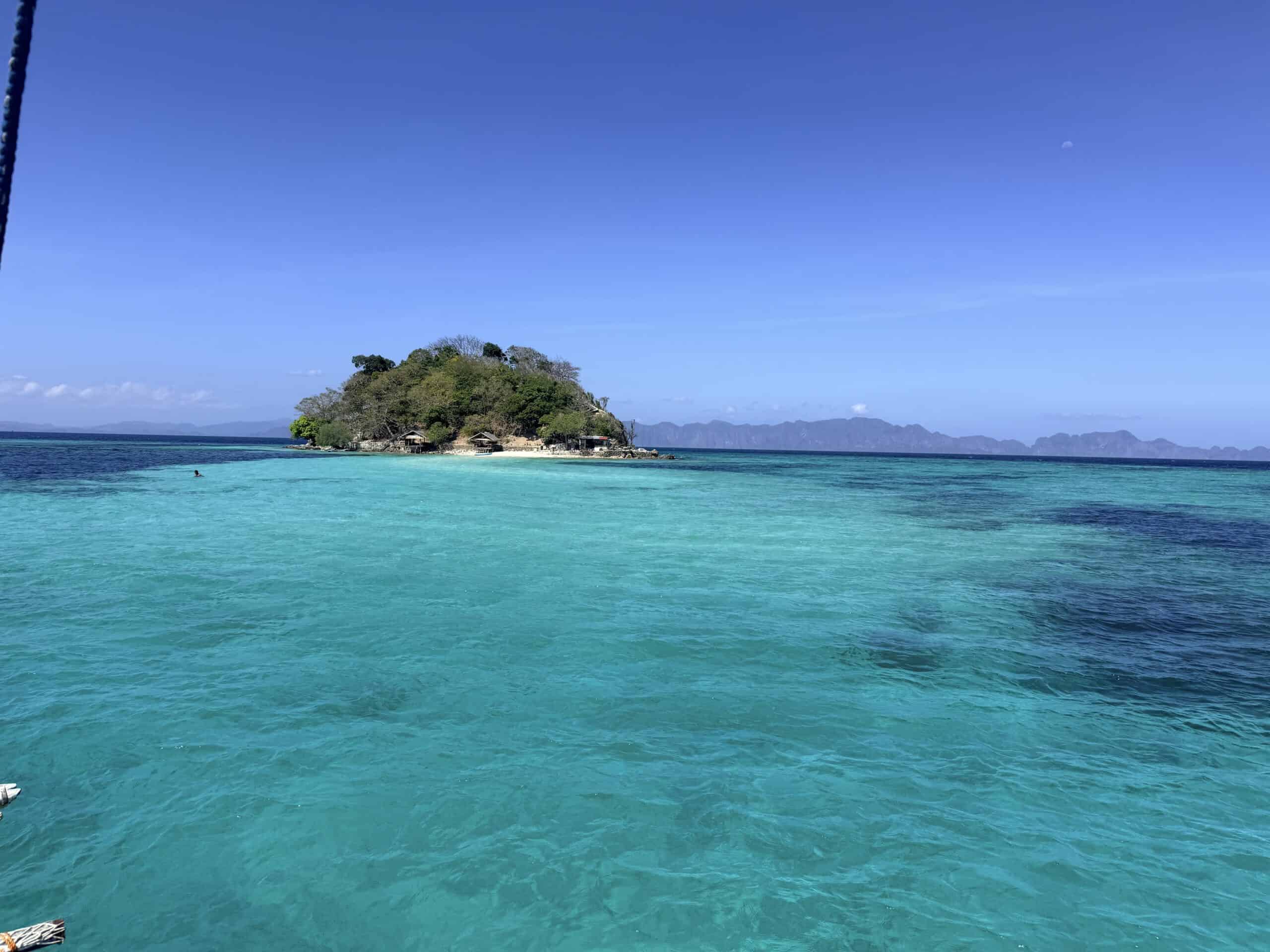
The current was stronger here, so reaching the sandbar required more effort. Once ashore, I took a short, easy hike to a viewpoint overlooking the surrounding islands and open sea. From above, we could see the sandbar stretching through the water below.
It was a final reminder that the most remarkable part of the route was not one famous attraction. It was the accumulation of moments I would have completely missed had I chosen the fastest way to Coron.
Eventually, we returned to the boat and continued toward Coron Port. After three days spent between the sea and remote islands, I stepped back into ordinary life, or at least Coron’s version of island life!
What to Know Before a 3D2N El Nido to Coron Expedition
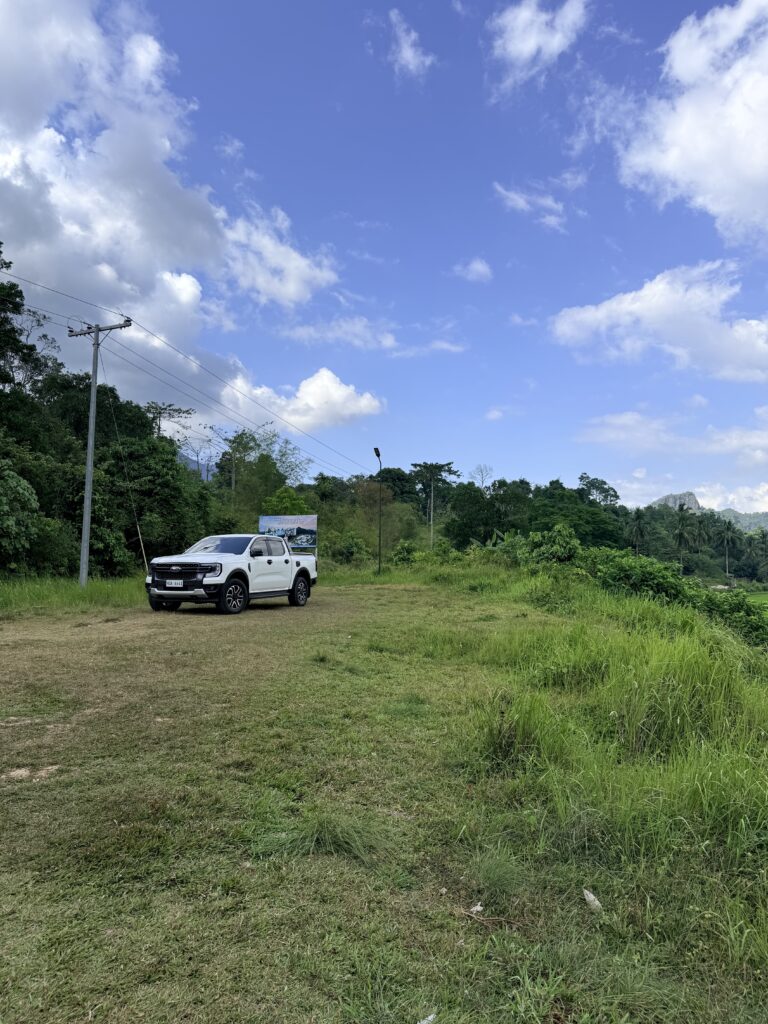
If you’re driving through Palawan before joining the expedition, arrange to return your rental car before departure. My guide to renting a car in Palawan covers the booking process, pickup arrangements and driving tips for the land portion of your trip.
This is not a luxury cruise, and that is precisely why I loved it. You should be comfortable swimming, climbing on and off a boat and living with basic facilities. The huts, toilets and shared showers are rustic, and the route may change according to the weather and sea conditions.
Your main luggage will remain stored on the boat throughout the expedition. You likely will not need or want to open it during the entire three days. Instead, pack everything you will need at the basecamps in one small dry bag. Include a change of clothes, toiletries, sleepwear, medication and anything you will want during the evening.
I’d also keep a charged power bank accessible for your phone and photos; my travel tech essentials guide includes the one I use on long travel days.
A few other things will make the journey easier:
- Bring a rash guard for sun protection and ask your tour operator about jellyfish precautions, as stings can occur in the Philippine waters.
- Apply reef-safe sunscreen regularly.
- Wear water shoes for swimming ashore, crossing shallow waterways and walking through the jungle.
- Carry a reusable water bottle.
- Pack earplugs if you are a light sleeper.
- Keep cash available for environmental and port fees. At the time of my trip, they were 400 PHP per person in El Nido and 200 PHP per person in Coron.
- Expect little or no reliable internet connection.
- Pack lightly; you will spend most of the expedition in your bathing suit.
Most importantly, arrive prepared to release some control. The route follows the conditions of the sea, not a perfectly fixed schedule and that unpredictability is part of what makes the expedition feel like a genuine adventure!
Is the El Nido to Coron Expedition Worth It?
The expedition was technically my transportation from El Nido to Coron, but it never felt like a transfer. Travel days are usually the part of the trip we try to make disappear. We search for the quickest flight, the most direct ferry and the easiest possible connection. This journey challenged that instinct. By choosing the slower route, I discovered thriving reefs, swam toward island camps, watched dolphins cross the horizon at sunset and slept in a hammock beneath the stars. I spent three days disconnected from the internet but completely connected to where I was.
Was the El Nido to Coron expedition worth it? Absolutely! The expedition did more than get me to Coron; it made the journey itself worth remembering.
If you’re wondering how to fit this journey into a longer trip, my Philippines 3-week itinerary shows how I combined Cebu, a road trip through Palawan and this expedition before finishing in Coron.