7 Days in Lisbon and the Surrounding Region: A Realistic Itinerary
Seven days in Lisbon gives you the chance to experience much more than Portugal’s colourful capital. Beyond its historic streets, incredible viewpoints and freshly baked pastéis de nata, you’ll discover fairytale palaces, charming coastal towns, dramatic cliffs and even some of the biggest waves in the world.
I spent a month living in Cascais, just outside Lisbon, while working remotely. Whenever I wasn’t working, I was exploring, from wandering Alfama’s cobblestone streets and hiking through Sintra’s forests to watching enormous waves crash along Portugal’s Atlantic coast.
If I were planning one week in Lisbon, I’d spend three days discovering the city and four exploring the surrounding region. This itinerary combines cultural experiences, beautiful scenery and outdoor adventures, without trying to fit everything into every day.
This post contains affiliate links. If you make a booking or purchase through one of these links, I may earn a small commission at no additional cost to you. Your support helps me continue creating honest, firsthand travel guides—thank you! Read my full affiliate disclosure for more information.
How to Spend 7 Days in Lisbon: Itinerary Overview
With a full week available, I’d recommend exploring Lisbon first before venturing farther along the coast. One of the things I loved most about this region was being able to discover completely different landscapes without travelling across Portugal.
Here’s how I’d organize your week:
| Day | Destination | Highlights |
|---|---|---|
| 1 | Baixa & Chiado | Historic squares, viewpoints and pastel de nata masterclass |
| 2 | Alfama & Graça | Cobblestone streets, beautiful viewpoints and fado |
| 3 | Belém | Jerónimos Monastery, Belém Tower and waterfront |
| 4 | Sintra | Pena Palace, forest trails and gardens |
| 5 | Cascais | Old town, Santa Marta Lighthouse and Boca do Inferno |
| 6 | Cabo da Roca | Atlantic cliffs and Praia da Ursa hike |
| 7 | Nazaré or Ericeira | Giant-wave watching or a relaxed coastal escape |
My planning tip: Keep the days flexible, particularly if you’re visiting during winter. Nazaré’s giant waves depend on ocean conditions, so it’s worth rearranging your itinerary when a promising swell is forecast. I explain how to track the waves, check forecasts and plan your visit in my Guide to Big-Wave Surfing in Nazaré, Portugal.
For additional destinations and alternative adventures, I’ve also shared my 9 best day trips from Lisbon.
Day 1: Explore Baixa, Chiado and Central Lisbon
I’d begin your week in Baixa and Chiado, two of Lisbon’s most central neighbourhoods. They’re wonderful places to get your bearings, admire the architecture and enjoy the atmosphere before exploring the city’s hillier historic streets.
I visited at the end of November, just as Christmas decorations were appearing around Lisbon. Between the festive atmosphere, lively shopping streets and beautiful buildings, it was a lovely introduction to Portugal’s capital.

Wander Through Baixa’s Historic Streets
Start at Praça do Comércio, Lisbon’s impressive waterfront square overlooking the Tagus River. From here, walk beneath the Arco da Rua Augusta and follow the pedestrian street toward Rossio Square.
Along the way, admire the colourful buildings, decorative Portuguese pavements and little cafés tempting you to stop for coffee. I particularly enjoyed wandering these streets without a strict schedule, taking detours whenever something caught my attention.

Continue toward Chiado, known for its elegant architecture, independent shops and lively café scene.
Learn to Make Your Own Pastel de Nata
One of my favourite experiences in Lisbon was taking the Pastel de Nata Masterclass at Nat’elier.
Instead of simply eating Portugal’s famous custard tarts, I got to learn how to make them from scratch, including preparing the pastry and baking the little tarts. And, of course, the best part was tasting the freshly baked results!

The workshop takes approximately two hours, making it an easy addition to an afternoon exploring central Lisbon. If you’d like to try making them at home too, I’ve shared my pastel de nata recipe and class experience.
End Your Day at a Beautiful Viewpoint
Afterwards, make your way toward Miradouro de São Pedro de Alcântara, a beautiful terrace overlooking Lisbon’s colourful rooftops and São Jorge Castle.
Alternatively, head down to the Tagus River and enjoy a leisurely walk along the waterfront. It’s a lovely place to watch the city come alive in the evening, especially as the sun begins to set.
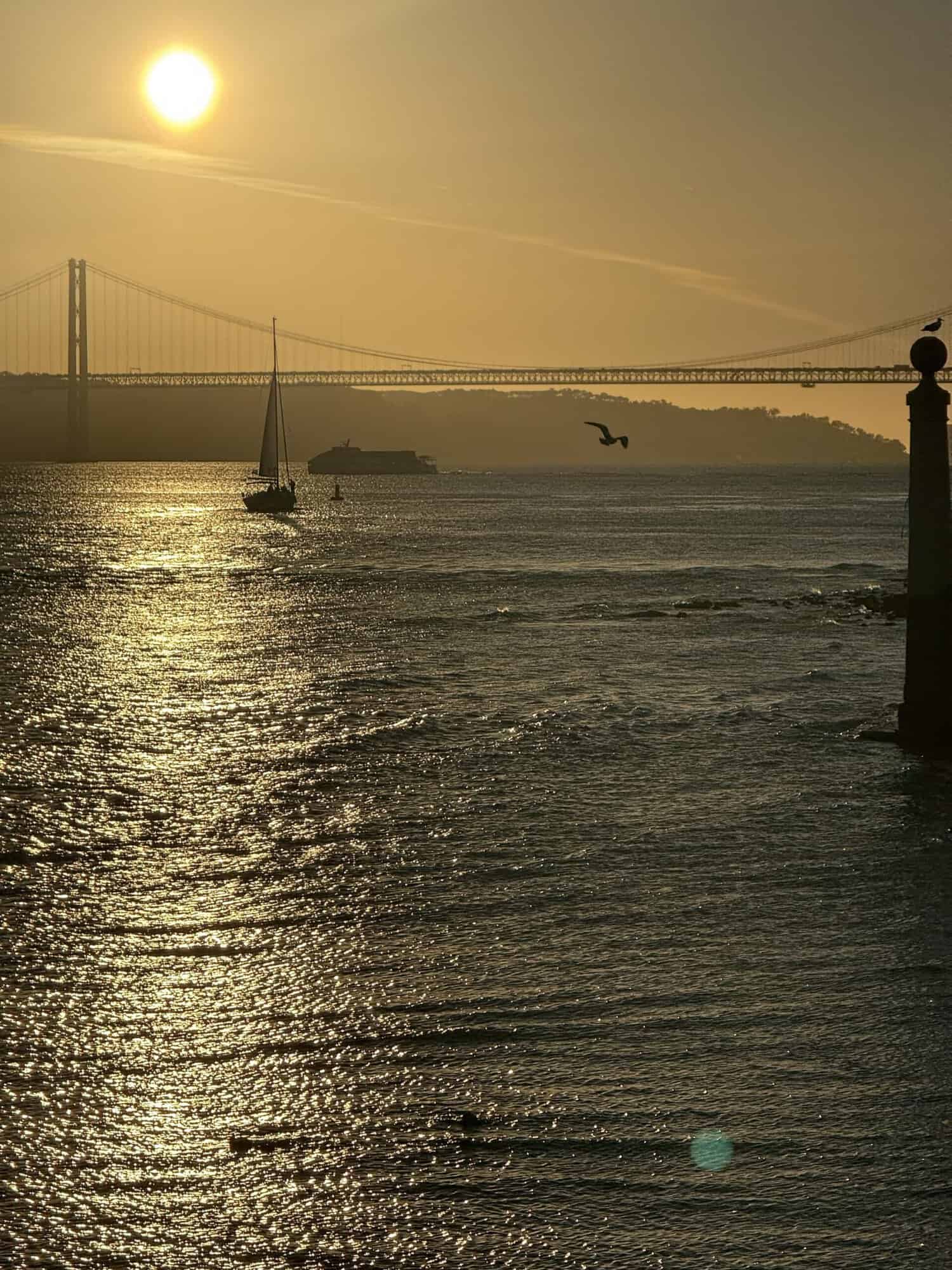
Whether you prefer rooftop views or sunset by the river, my best viewpoints in Lisbon guide will help you choose a spot to wind down before dinner. For a walking route connecting more of the city’s highlights, follow my 3-day Lisbon itinerary.
Day 2: Get Lost in Alfama and Explore Graça
If there’s one neighbourhood I wouldn’t skip during a week in Lisbon, it’s Alfama.
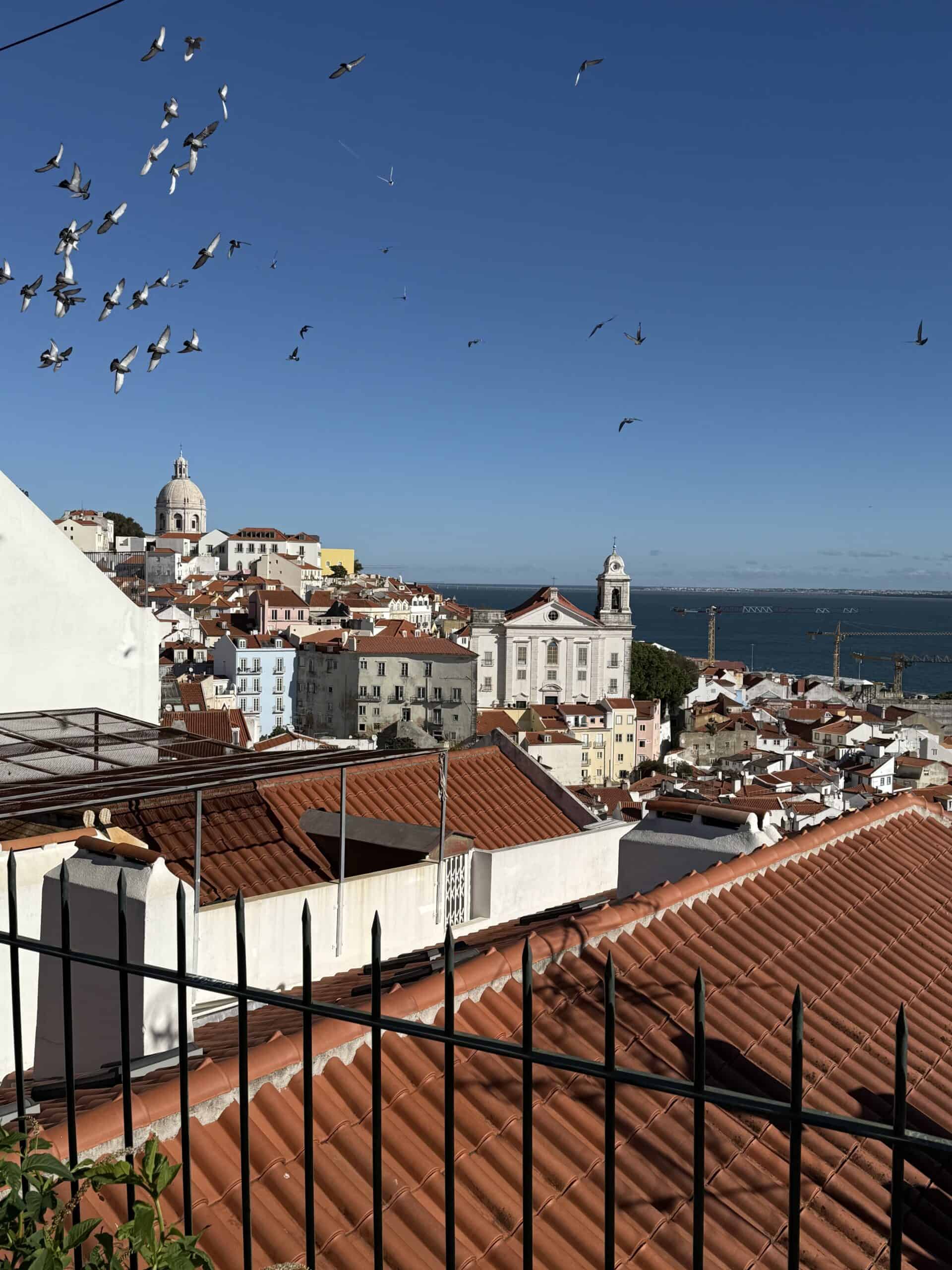
This was probably my favourite part of the city. I spent hours wandering through its narrow streets, discovering colourful buildings, small shops and incredible viewpoints. It’s one of those places where the experience is just as much about the atmosphere as the attractions.
Start at Miradouro de Santa Luzia
Make your way toward Miradouro de Santa Luzia, one of Lisbon’s most beautiful viewpoints.

The terrace overlooks Alfama’s terracotta rooftops and the Tagus River, framed by traditional Portuguese tiles and a lovely pergola.
I originally planned to stop for a few photographs but ended up spending over an hour here. I even treated myself to a glass of wine and a cheese and meat platter at Bar Terraço de Santa Luzia, overlooking the city.
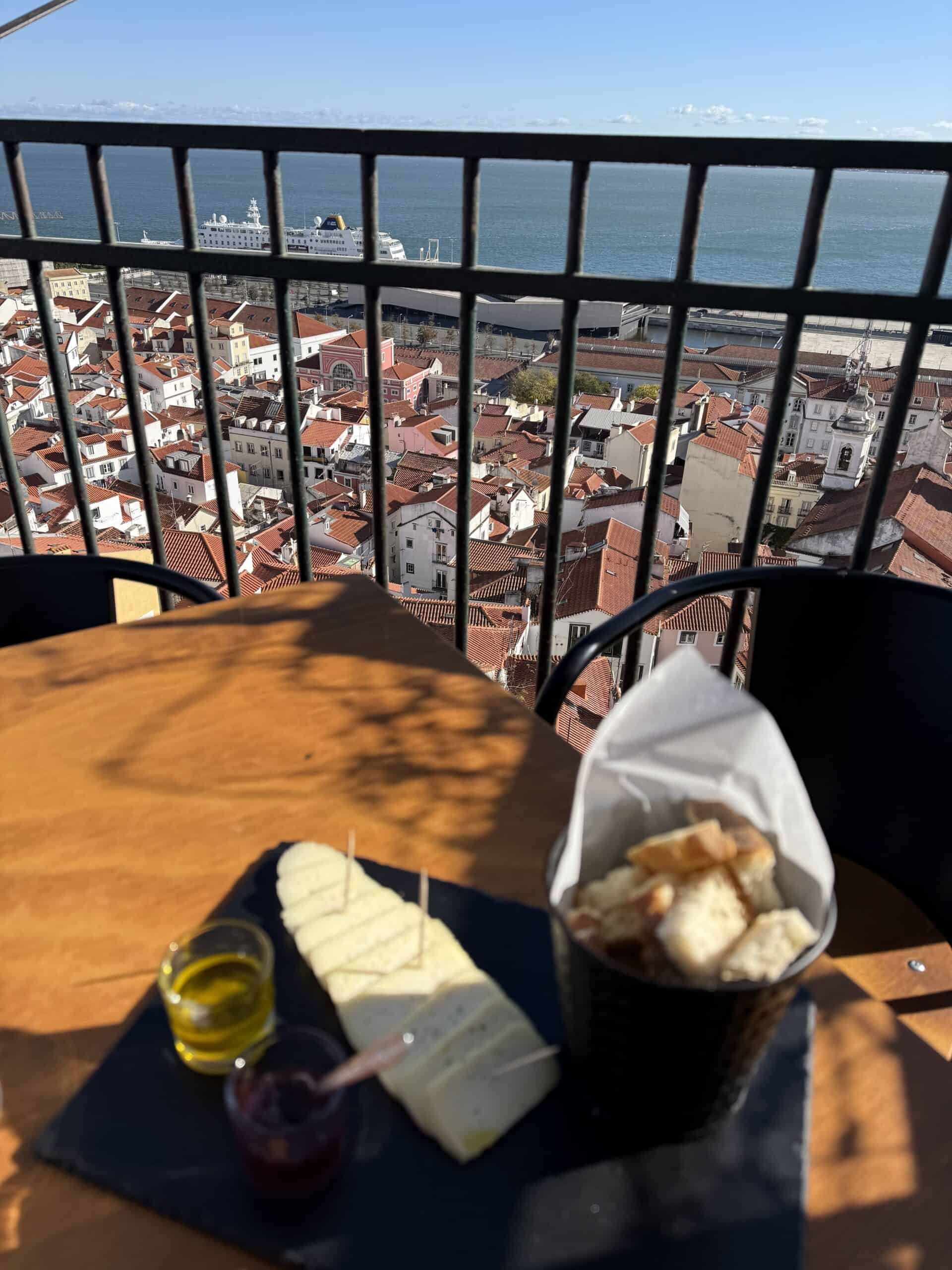
Sometimes those simple moments become the ones you remember most.
Wander Through Alfama’s Historic Streets
From Santa Luzia, continue through the neighbourhood’s cobblestone lanes, winding staircases and little hidden corners.
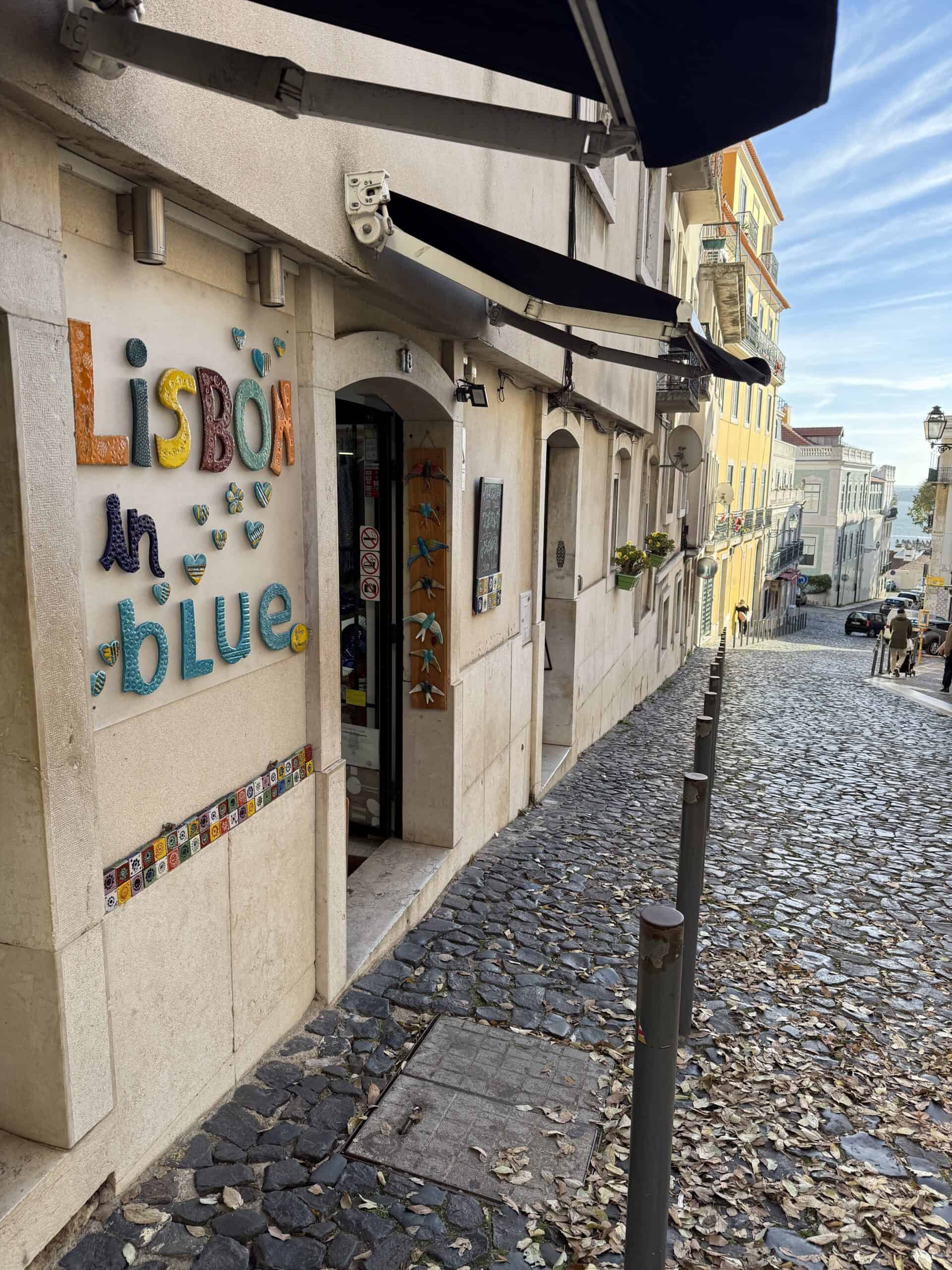
Near São Jorge Castle, I climbed the Torre da Igreja do Castelo de São Jorge, a historic church tower offering beautiful panoramic views over Lisbon. It’s separate from the castle itself and was one of my favourite discoveries.
If history interests you, consider visiting São Jorge Castle too. Otherwise, simply exploring the surrounding streets is already a wonderful experience.
Discover my favourite viewpoints, shops and discoveries in my guide to 12 things to do in Alfama.
Finish Your Day with Fado
Alfama is known for fado, Portugal’s traditional music, characterized by expressive singing and emotional melodies.
Consider booking an evening performance at one of the neighbourhood’s fado houses. Although I didn’t attend a performance myself, I came across several venues while exploring the area.

Alternatively, enjoy a relaxed dinner and appreciate Alfama’s atmosphere after dark.
Day 3: Discover Belém’s Historic Monuments and Waterfront
After two days exploring Lisbon’s historic centre, I’d recommend spending your third day in Belém, a waterfront district known for its impressive monuments and connection to Portugal’s maritime history.
Although I spent plenty of time exploring Lisbon, I didn’t personally make it to Belém. I chose to prioritize neighbourhood walks, cultural experiences and coastal adventures. However, if you’re visiting for the first time and enjoy history or architecture, it’s definitely worth considering.
Belém’s main attractions are relatively close to one another, making it easy to spend a day exploring without rushing between different parts of Lisbon.
Visit Jerónimos Monastery
Start your morning at Jerónimos Monastery, a UNESCO World Heritage Site and one of Lisbon’s most impressive landmarks.
Built in the 16th century, the monastery is known for its intricate Manueline architecture, beautiful cloisters and connection to Portugal’s maritime history. If you’d like to explore the interior, arrive early and book ahead to avoid long queues.
Discover Belém Tower and the Monument to the Discoveries
From the monastery, head toward the waterfront to discover two of Belém’s most iconic landmarks.
The Monument to the Discoveries (Padrão dos Descobrimentos) celebrates Portugal’s maritime explorers, while nearby Belém Tower is a 16th-century fortress that once helped defend Lisbon’s harbour.
Even if you skip the interiors, the waterfront is a lovely place for a scenic walk.
Stop for a Pastel de Nata at Pastéis de Belém
Before leaving, stop at Pastéis de Belém, the historic bakery famous for its traditional Portuguese custard tarts. Even if you’ve already tried a few, tasting the famous Belém version is practically a Lisbon tradition!
If you have extra time, visit LX Factory in nearby Alcântara, a former industrial complex now filled with creative shops, cafés and restaurants.
Save Money with the Lisboa Card
If you’re planning to visit several of Lisbon’s paid attractions, it’s worth looking into the Lisboa Card before purchasing individual tickets.
Available for 24, 48 or 72 hours, the sightseeing pass includes public transportation and admission to selected museums and monuments. Attractions such as Jerónimos Monastery and Belém Tower are included, making Belém a particularly good day to consider using the card.
It can also cover train journeys to destinations such as Sintra and Cascais during its validity period, which may help you save even more depending on your itinerary.
However, I wouldn’t recommend purchasing the card automatically. Compare the cost against the attractions you actually plan to visit, and check opening days and reservation requirements beforehand. I explain this in more detail in my article on 10 mistakes to avoid in Lisbon.
Optional Alternative: Visit Oceanário de Lisboa
If historic monuments aren’t really your thing, I’d recommend swapping your Belém day for a visit to Oceanário de Lisboa.
As a scuba diver who absolutely loves the underwater world, I couldn’t resist visiting the aquarium during my month in Portugal.
Located in Parque das Nações, on the opposite side of Lisbon from Belém, the aquarium is home to sharks, rays, colourful fish, sea otters and many other marine species. Its enormous central aquarium is particularly impressive, surrounded by exhibits representing different marine environments.
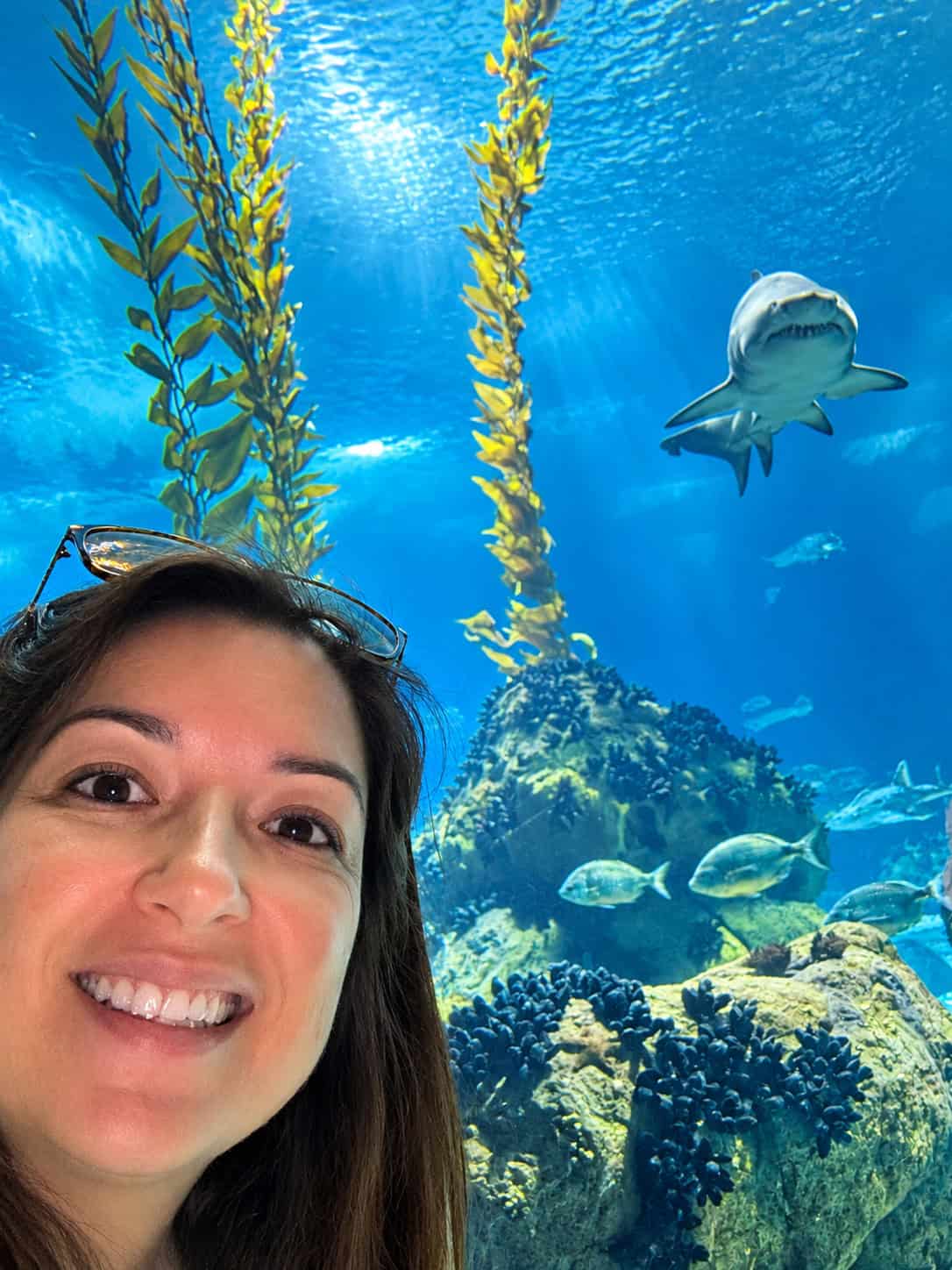
Allow approximately two hours for your visit, then explore Parque das Nações, a modern waterfront neighbourhood with contemporary architecture, open spaces and a beautiful promenade along the Tagus River.
You could also fit the aquarium into another afternoon if you have extra time in Lisbon. I just wouldn’t recommend rushing between Belém and Oceanário on the same day, given their locations on opposite sides of the city.
Getting there: Take the metro to Oriente station and walk to the aquarium. You can check current opening hours and tickets on the official Oceanário de Lisboa website. The Lisboa Card also currently offers a discount on aquarium admission, rather than free entry.
Day 4: Discover Sintra’s Fairytale Palaces and Forest Trails
After three days exploring Lisbon, it’s time to discover the surrounding region!
Sintra is one of the most popular day trips from Lisbon, and it’s easy to understand why. Between its colourful palaces, lush forests and beautiful gardens, the entire area feels like stepping into a fairytale.
I explored Sintra during my month in Portugal and loved how much there was to discover beyond the famous architecture. If you’re planning your own visit, my Visiting Pena Palace in Sintra guide covers my experience exploring the palace grounds, scenic forest trails and practical tips for making the most of your day.

I visited in December and spent much of my day exploring Pena Palace and the surrounding forest trails.
Explore Pena Palace and Its Gardens
Pena Palace is famous for its colourful red and yellow architecture, perched high above Sintra. However, what surprised me most was how much I enjoyed the surrounding landscape.
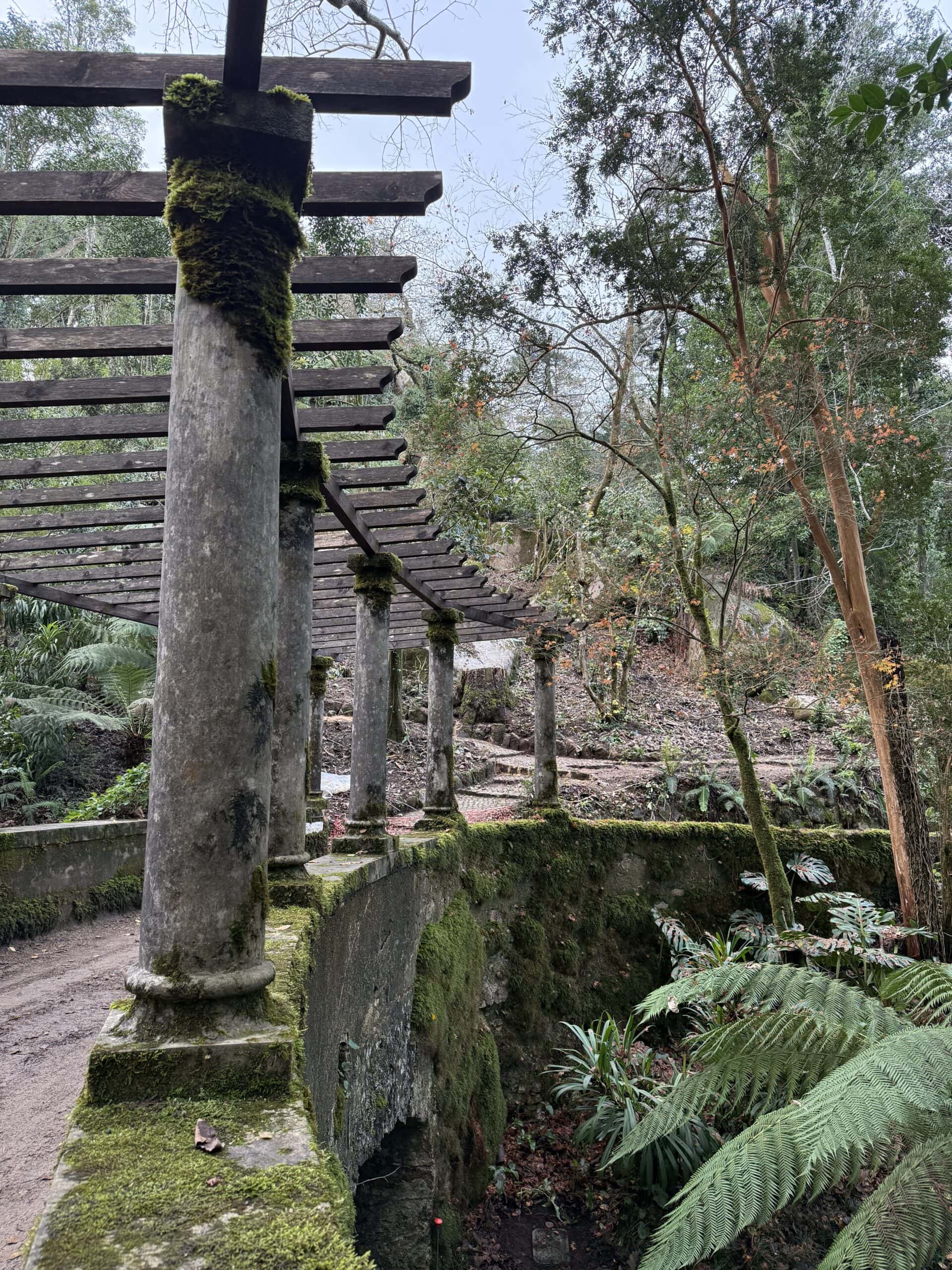
Instead of rushing between monuments, I spent hours exploring the gardens, wandering through the forest and discovering viewpoints. I also visited the Chalet of the Countess of Edla and made my way toward Cruz Alta for sunset.
If you enjoy hiking and nature, I’d definitely recommend leaving enough time for the grounds rather than focusing exclusively on the palace interior.
Should You Visit More Than One Palace?
Sintra is also home to the Moorish Castle and Quinta da Regaleira, both popular attractions. While you can visit multiple palaces in one day, I’d recommend choosing your priorities rather than rushing through everything.
Personally, spending most of my day exploring Pena Palace and its gardens was exactly what I wanted.
For transportation, itinerary suggestions and practical tips, check out my Sintra Day Trip: A Realistic One-Day Guide. If you have extra time around Sintra, consider visiting Azenhas do Mar, a picturesque village perched above the Atlantic Ocean that’s ideal for a short coastal escape.
Day 5: Enjoy a Relaxing Day in Cascais
Cascais holds a special place in my heart because it was my home base for an entire month in Portugal. While working remotely, I developed little routines around town, finding favourite cafés, walking along the coastline and exploring whenever I had free time.
If you’re looking for a relaxing coastal escape, Cascais would be one of my first recommendations. From its charming old town to its beautiful oceanfront setting, there are so many reasons to fall in love with this place. I’ve shared more about what makes it special in my article, 9 Reasons to Visit Cascais, Portugal.
Wander Through Cascais Old Town
Start in the historic centre, with its colourful buildings, traditional Portuguese tiles, charming shops and little streets.
You don’t need a detailed itinerary here. Part of what I loved about Cascais was being able to wander without a destination, occasionally stopping for coffee or following a street toward the waterfront.
Visit Santa Marta Lighthouse and Cascais Marina
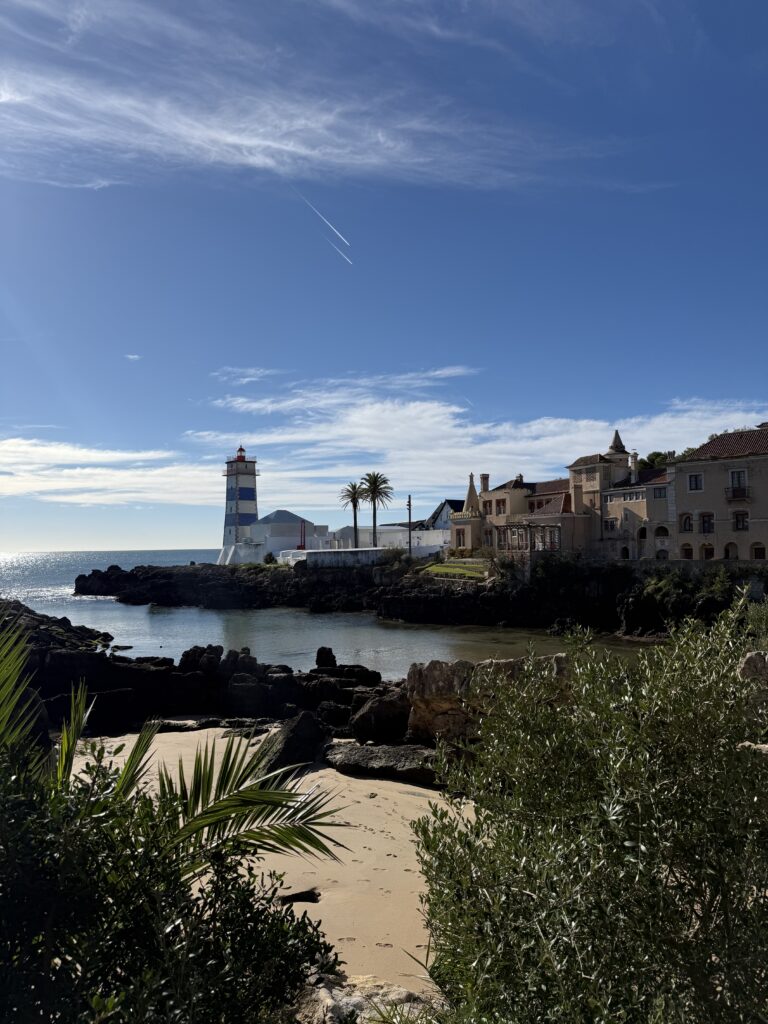
Continue toward Cascais Marina and Santa Marta Lighthouse, one of my favourite landmarks in town.
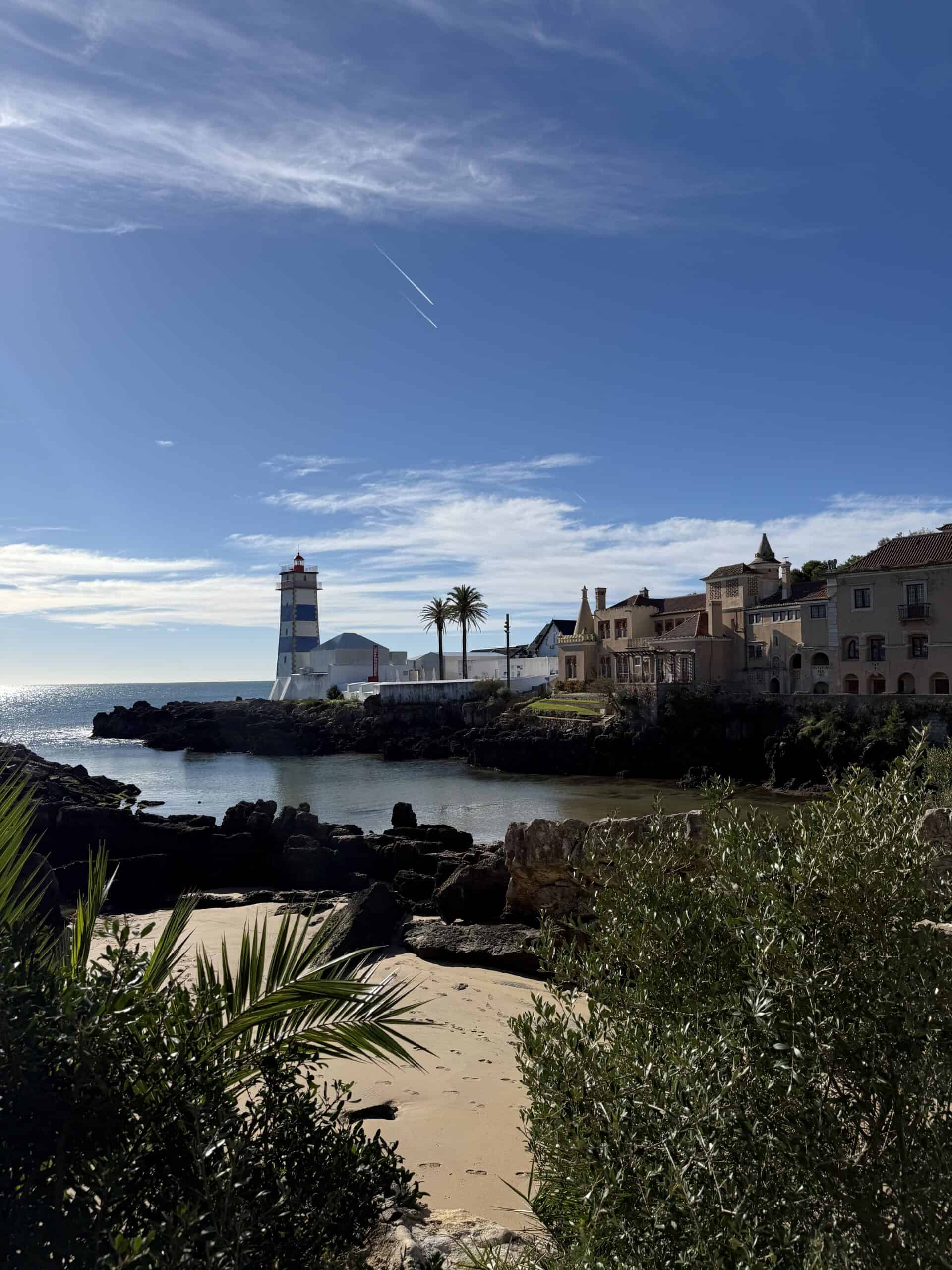
The blue-and-white lighthouse beside Casa de Santa Maria is such a beautiful scene that I even bought a Portuguese tile depicting it as a souvenir!
Afterwards, enjoy a walk around the marina. Kafeine became one of my regular coffee stops during my month in Cascais.


Walk Along the Coast to Boca do Inferno
From the marina, continue toward Boca do Inferno, a dramatic rocky formation where Atlantic waves crash against the cliffs.
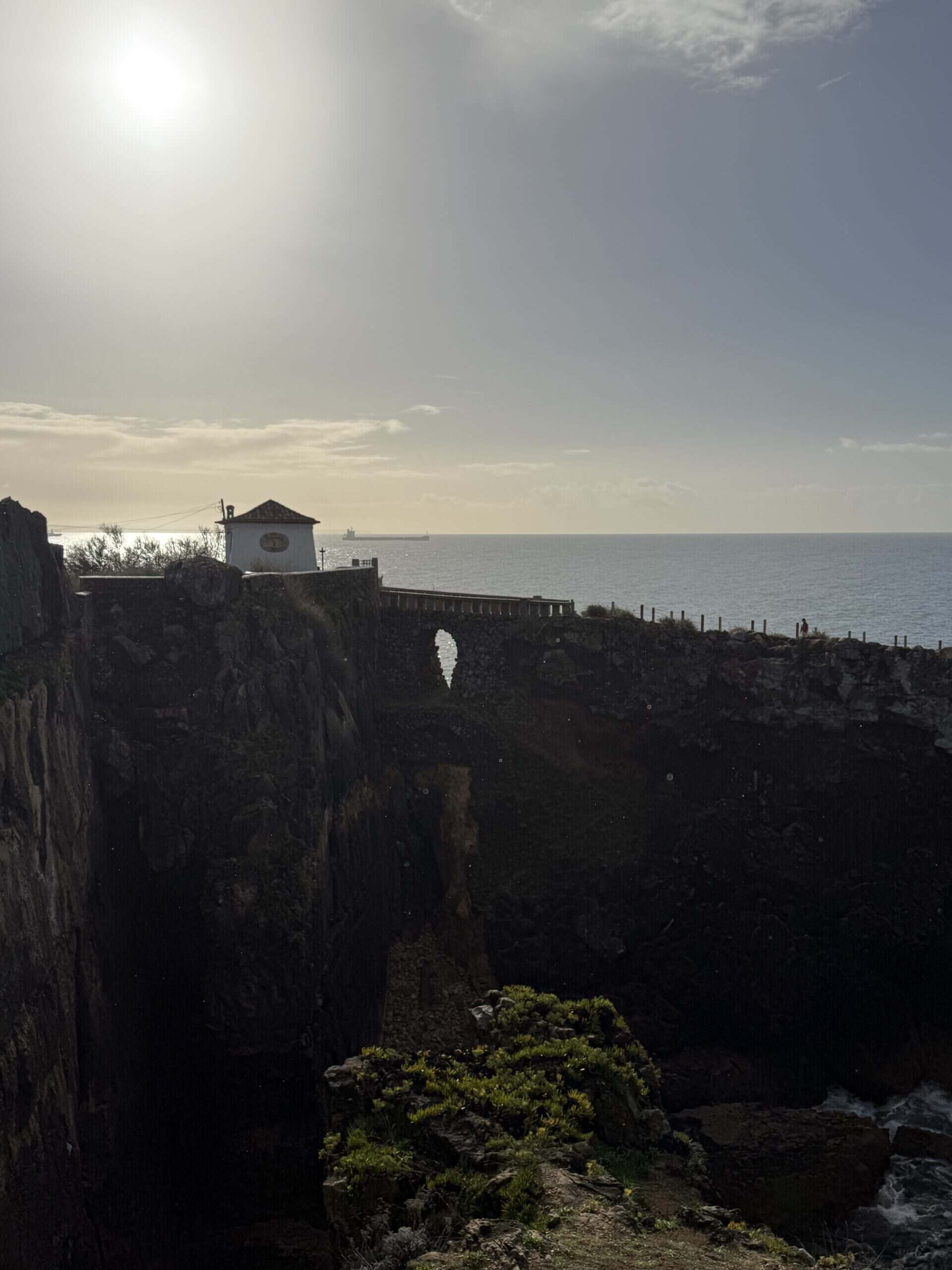
I visited during winter, when the waves could be particularly impressive. Some days, I’d simply find a safe spot along the coast and spend time watching the ocean.
Afterwards, return to town for a relaxed meal. I particularly enjoyed Emma’s by the Sea, where the oceanfront setting made it easy to sit a little longer than planned.
Getting there: Cascais is approximately 40 minutes from Lisbon by direct train from Cais do Sodré.
Discover more cafés, viewpoints and coastal walks in my guide to 12 things to do in Cascais.
Day 6: Hike from Cabo da Roca to Praia da Ursa
If you love dramatic coastlines and outdoor adventures, this might become one of your favourite days of the entire trip.
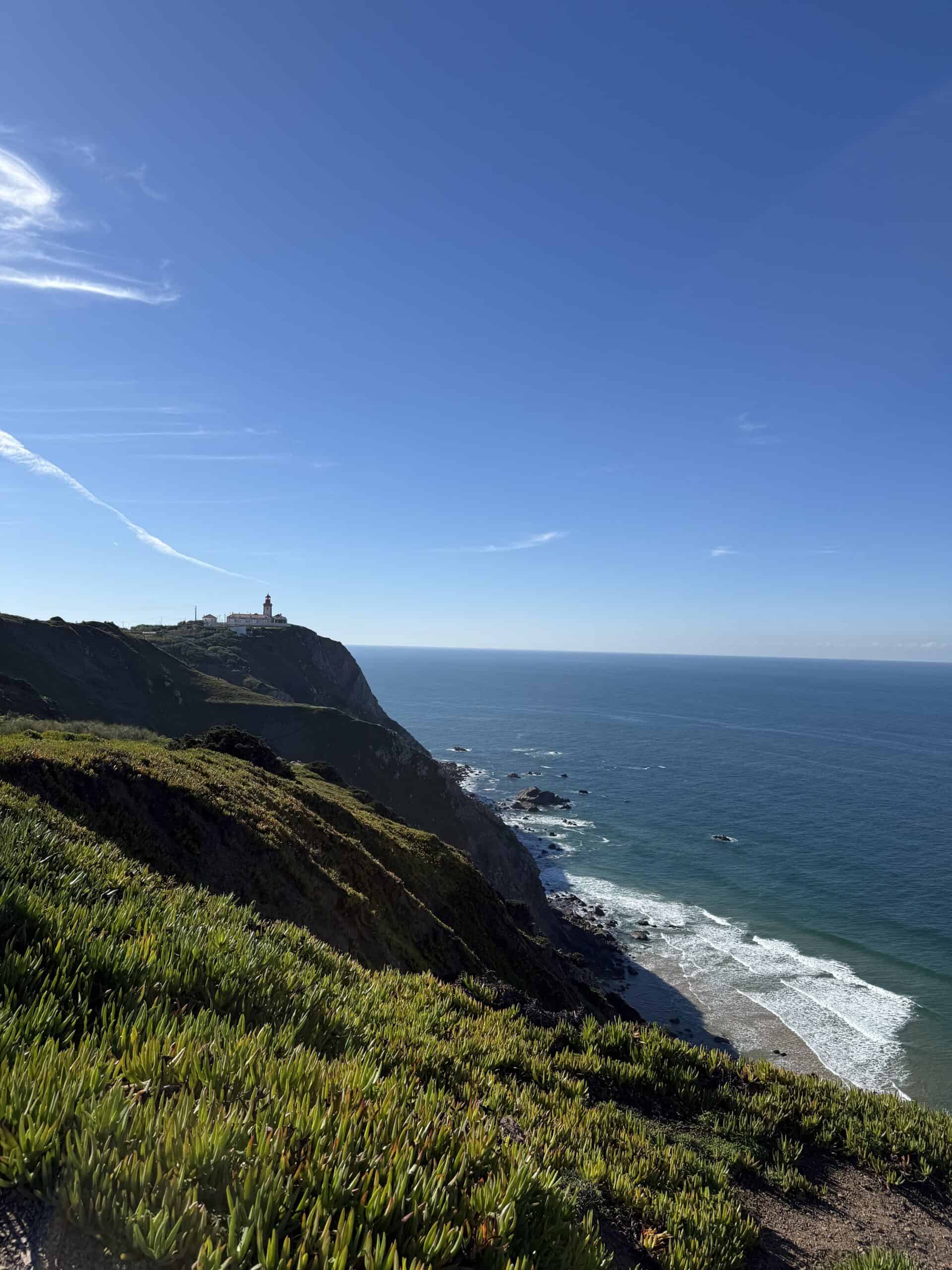
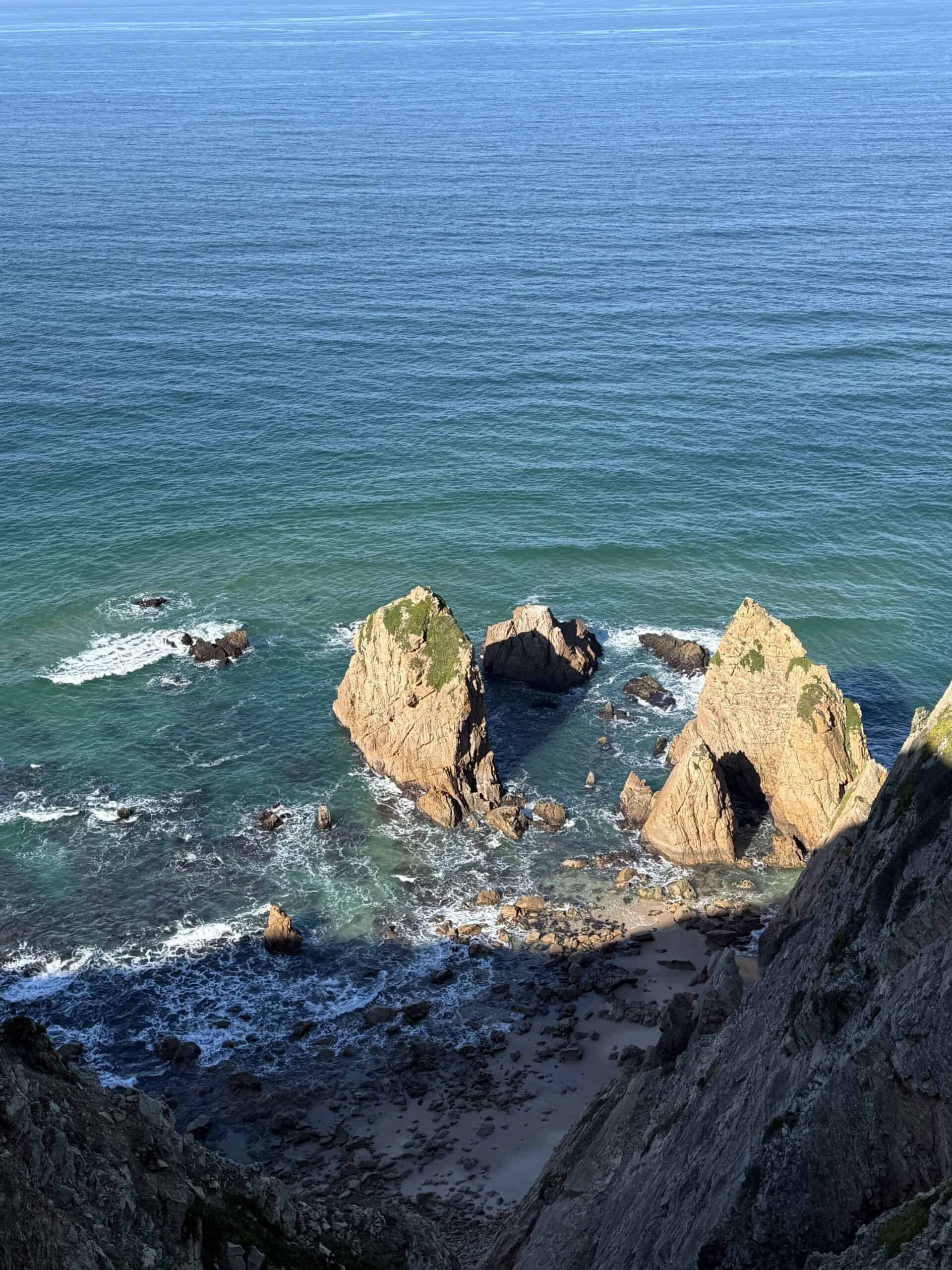
Cabo da Roca marks the westernmost point of mainland Europe, where rugged cliffs rise above the Atlantic Ocean. The scenery alone makes it worth visiting, but what made this outing particularly memorable was hiking down to Praia da Ursa.
Admire the Cliffs at Cabo da Roca
Start at the viewpoint near Cabo da Roca Lighthouse and admire the endless Atlantic stretching beyond the cliffs. Take your time enjoying the scenery before deciding whether to continue toward Praia da Ursa.
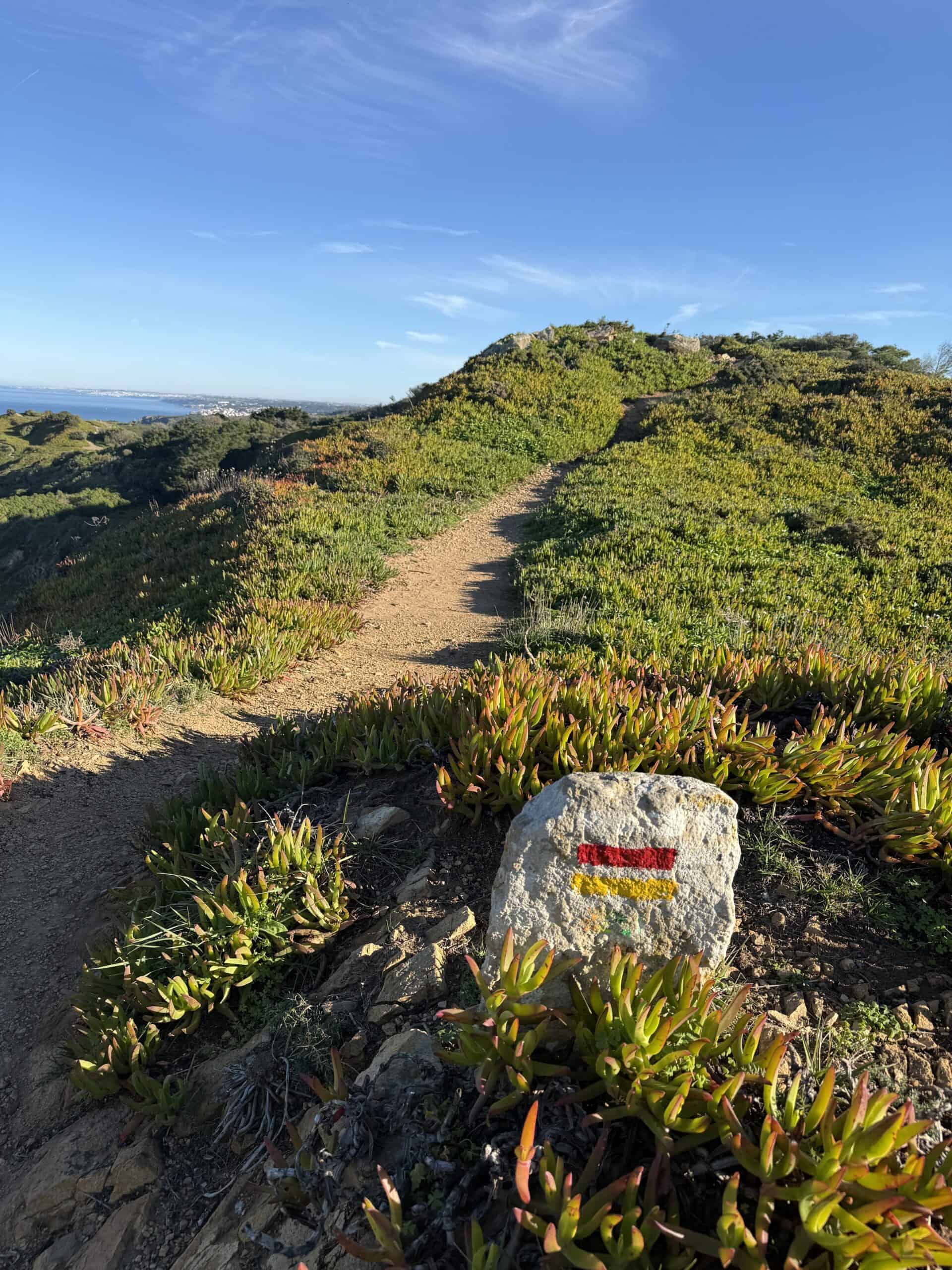
Hike Down to Praia da Ursa
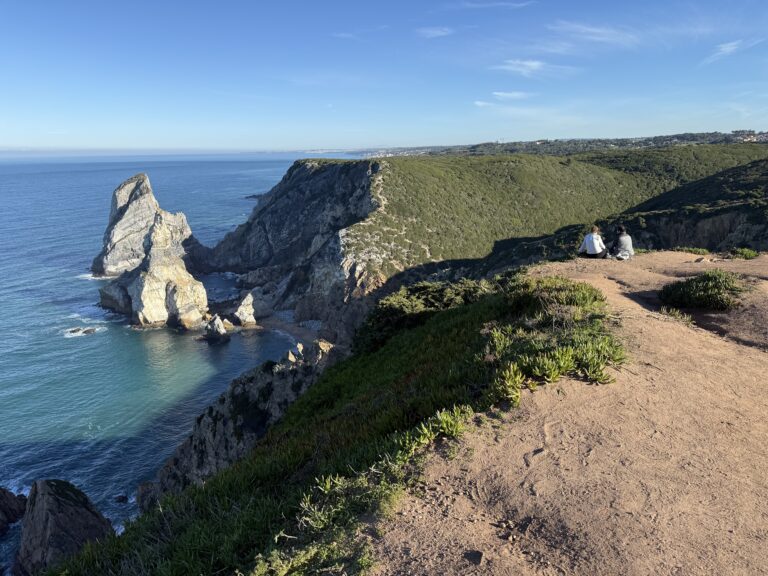
Praia da Ursa is a wild beach surrounded by enormous rock formations and steep coastal cliffs.
My outing involved approximately three kilometres of hiking, including challenging sections on the descent. One portion required using a rope for support during my visit, so this isn’t a trail I’d recommend without proper footwear and confidence on steep, uneven terrain.
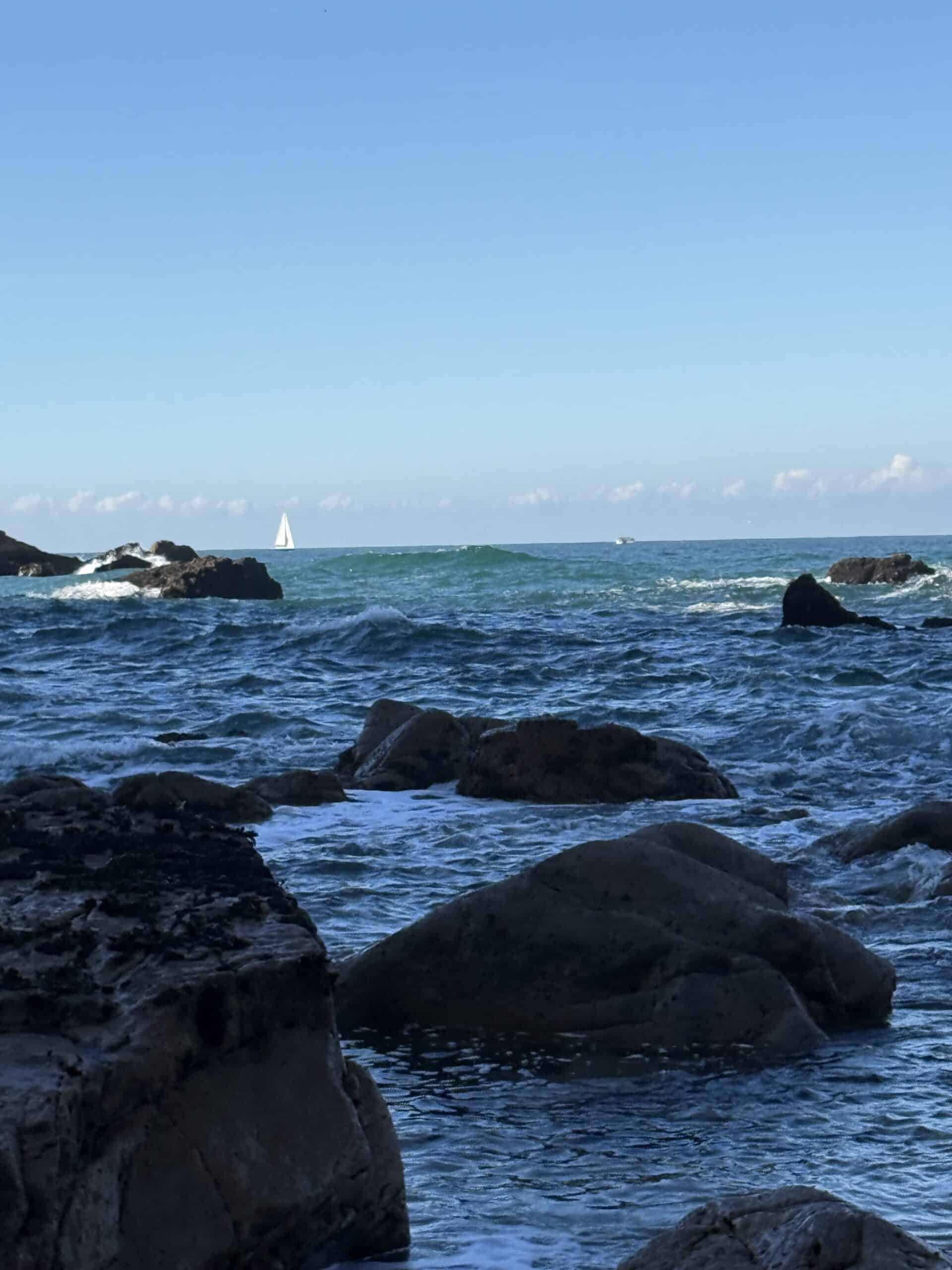
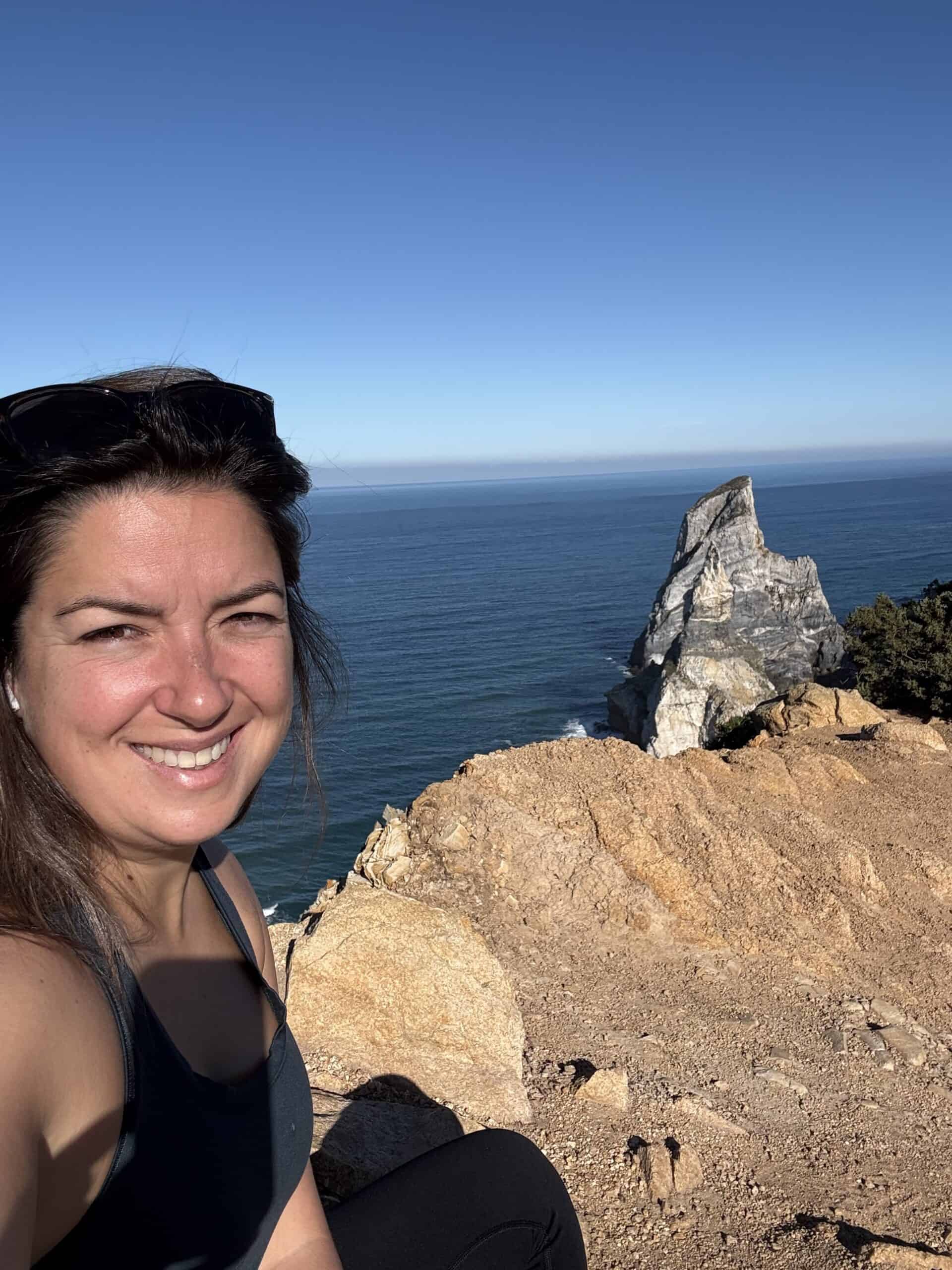
Reaching the beach was absolutely worth the effort. I spent time admiring the towering rock formations and powerful Atlantic waves. At one point, I could actually feel the force of the waves through the ground!
It was one of those moments that reminded me just how extraordinary nature can be.
Getting there: I travelled from Cascais using bus 1624 toward Cabo da Roca and returned by Bolt. If you’re starting in Lisbon, allow additional travel time.
My Cabo da Roca Day Trip and Praia da Ursa Hiking Guide covers the trail, transportation and what to expect.
Day 7: Watch Nazaré’s Giant Waves or Explore Ericeira
For your final day, I’d recommend another coastal adventure, with two very different experiences depending on the time of year.
If you’re visiting Portugal during winter and a big swell is forecast, Nazaré would be my first choice, without hesitation.
Outside giant-wave conditions, Ericeira is a wonderful alternative for a more relaxed coastal day.
Option 1: Watch the Giant Waves in Nazaré — My Winter Favourite
Nazaré is famous for some of the biggest surfable waves in the world, attracting professional surfers when powerful Atlantic swells roll in.
I visited in December and was lucky enough to witness enormous waves crashing along Praia do Norte. Watching surfers tackle these giants, supported by jet skis, was an experience I’ll never forget!
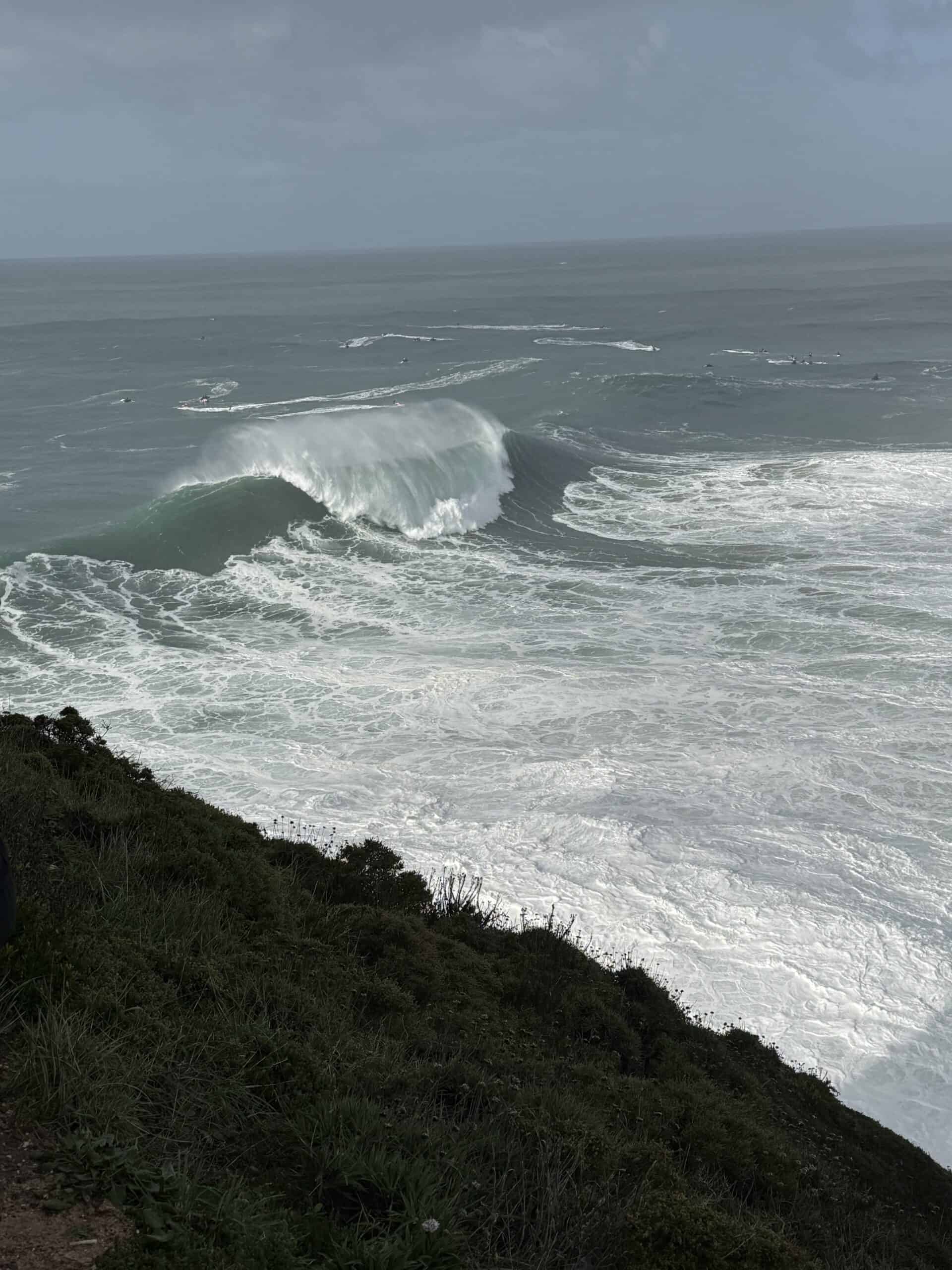
The best viewing spot is near Forte de São Miguel Arcanjo and its iconic red lighthouse. Standing above the ocean, surrounded by spectators waiting for the next massive wave, felt like being in a natural stadium.
How to Plan Your Nazaré Big-Wave Day
Big-wave season generally runs from October to March, but giant waves don’t appear every day. The conditions need to align, so flexibility is essential. During my stay, I subscribed to Nazaré Waves alerts and followed the forecasts. When a promising alert arrived, I planned my visit around it.
My tip: Keep your Nazaré day flexible! If the best waves are forecast for Day 4 instead of Day 7, switch your itinerary around.
Getting to Nazaré from Lisbon
I took an express bus from Lisbon’s Sete Rios station, then a rideshare to Sítio, near the lighthouse. You don’t need a rental car, but expect crowds and traffic on major wave days.
For everything you need to plan your visit, read my Guide to Big-Wave Surfing in Nazaré, Portugal.
Option 2: Explore Ericeira’s Charming Surf Town
If you’re visiting outside the giant-wave season or prefer a quieter coastal day, Ericeira is a wonderful alternative. This charming fishing town northwest of Lisbon has a laid-back surfing identity, beautiful coastal viewpoints and narrow streets lined with cafés and shops.
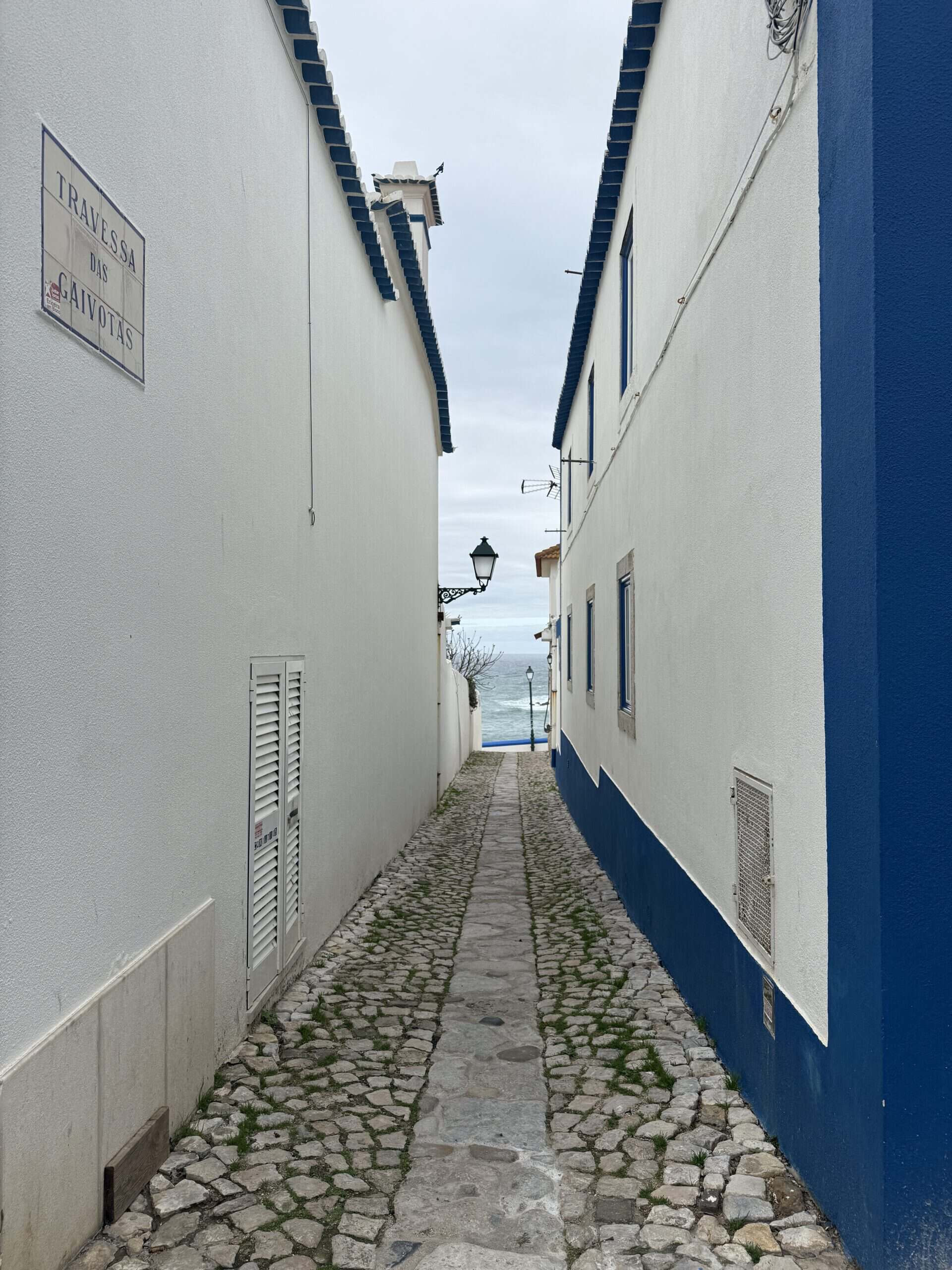
I visited on a Sunday in December and loved its atmosphere. I started with delicious pancakes and coffee at Dear Rose Café before exploring the historic centre and walking toward Praia dos Pescadores.
What I enjoyed most was simply wandering, watching surfers along the coastline and taking in the ocean views. I even happened to visit during a Christmas market, where I tried traditional Portuguese roasted chestnuts.
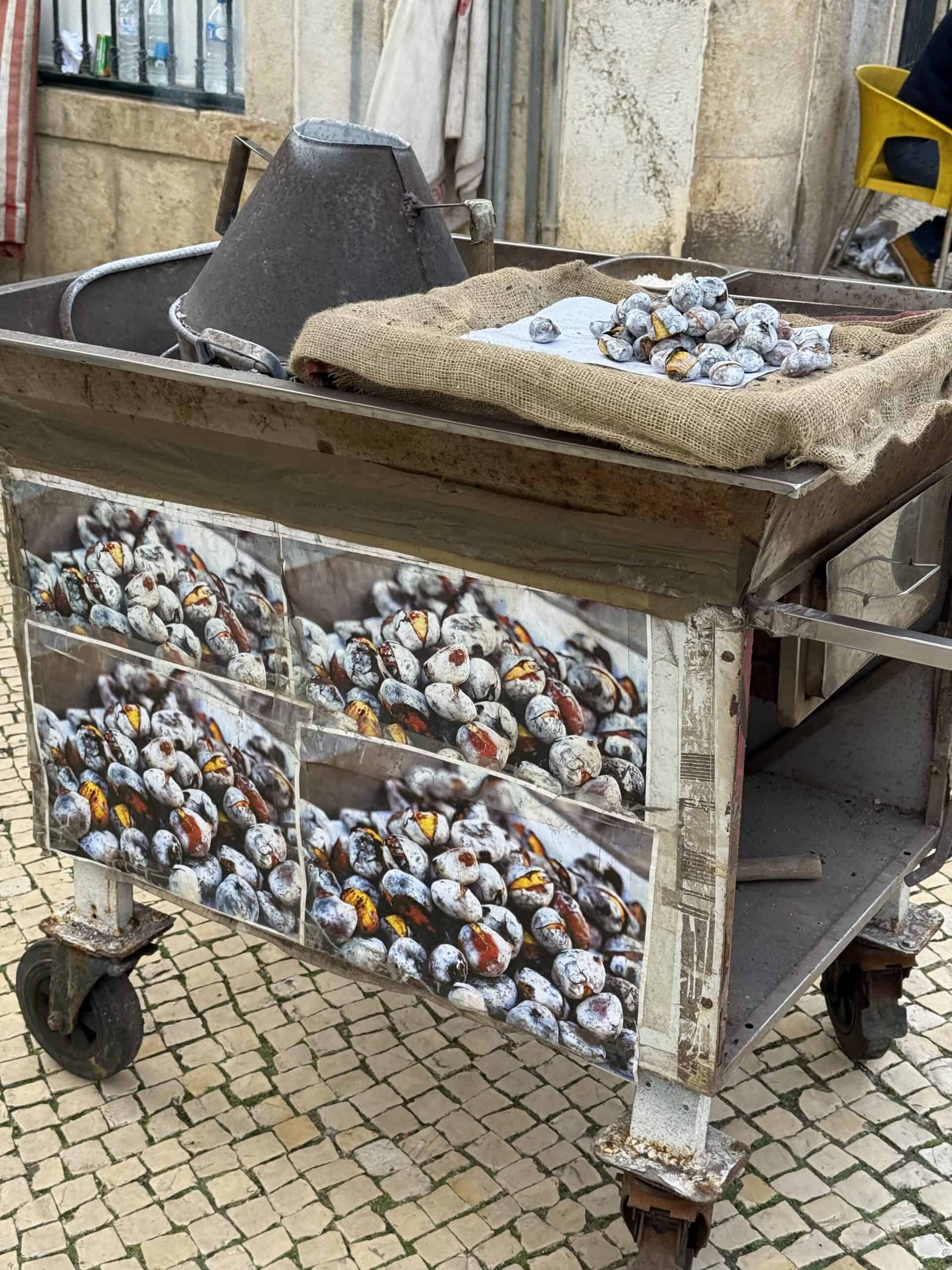
Ericeira is one of those places where you don’t need a complicated itinerary. Find a café you like, wander through the old town and enjoy the coast.
My Ericeira Day Trip from Lisbon covers how I spent my visit.
Another Adventure Worth Considering: Setúbal and Arrábida
If you’re interested in wildlife and outdoor adventures, Setúbal and Arrábida Natural Park are also worth considering.
I explored the region during my month in Portugal, combining beautiful coastal scenery with dolphin watching in the Sado Estuary.
Although I managed to experience both in one day, I left wishing I’d planned more time. If this region particularly interests you, consider an overnight trip instead, as I explain in my Setúbal and Arrábida Weekend Getaway Guide.
Where to Stay for 7 Days in Lisbon
For a one-week trip, I’d consider two accommodation strategies depending on your preferred travel style.
Stay in Central Lisbon
If you want to unpack once and keep things simple, I’d recommend staying in Baixa or Chiado.
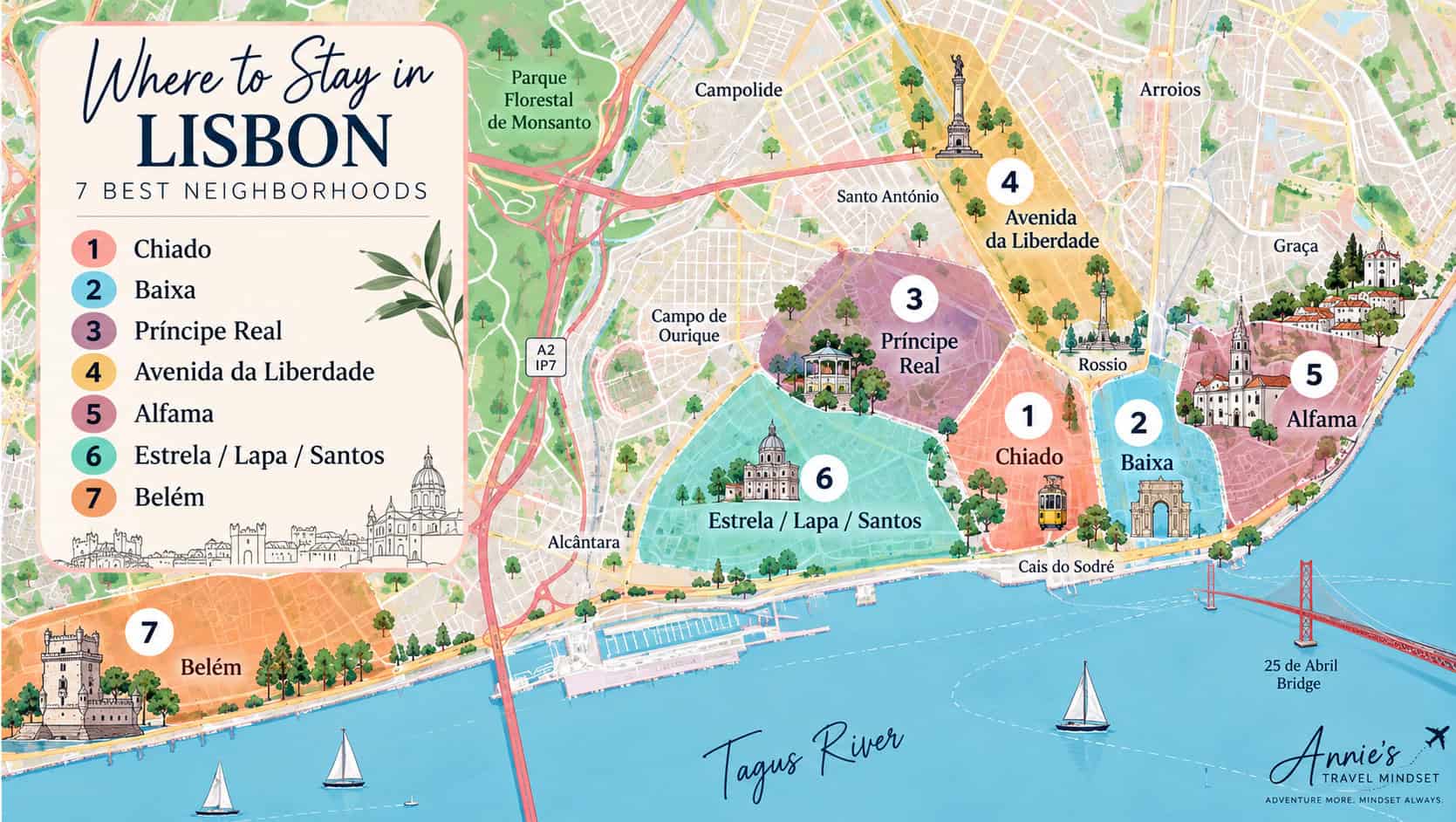
Both neighbourhoods offer convenient access to restaurants, attractions and public transportation. Baixa is particularly practical for sightseeing, while Chiado has a lovely café and shopping atmosphere. Alfama is another option if you’re drawn to historic streets and don’t mind steep hills and staircases.
For a detailed comparison, read my guide to where to stay in Lisbon.
Split Your Stay Between Lisbon and Cascais
If you enjoy being close to the ocean, consider spending four nights in Lisbon and three nights in Cascais.
Having spent a month living in Cascais, I can confidently say it makes a wonderful base. I loved having cafés within walking distance, beautiful coastal paths nearby and convenient train connections into Lisbon.
However, moving accommodation isn’t essential. If you prefer avoiding the hassle of packing and unpacking, you can organize all these day trips from Lisbon. If you’re unsure which base suits you, my Lisbon or Cascais comparison explains the trade-offs based on my month there.
Do You Need a Rental Car for One Week in Lisbon?
No, you don’t necessarily need a rental car for this itinerary.
During my month in Portugal, I relied on trains, local buses, FlixBus for longer journeys, my Navigante card where it was accepted, and occasional Uber or Bolt rides.
Lisbon itself is best explored on foot and by public transportation, while Sintra and Cascais are straightforward to reach by train. Destinations such as Cabo da Roca and Nazaré require a little more planning, but they’re still accessible without a car.
I’d only consider renting a vehicle if you want to explore several remote beaches in one day or visit areas with limited transportation options.
For this particular itinerary, I’d personally choose public transportation and occasional rideshares. My guide to getting around Lisbon covers transport tickets, city journeys and trains to Cascais and Sintra.
When Is the Best Time to Spend 7 Days in Lisbon?
Lisbon and the surrounding region offer wonderful experiences throughout the year.
Spring and early autumn are lovely for walking, sightseeing and coastal adventures without the intense summer heat. Summer brings longer days and warmer beach weather, although popular attractions can be particularly busy.
I visited between late November and late December, and I genuinely loved travelling at this time of year. Coming from Canada, walking along the ocean in December wearing sneakers and a light jacket felt like a treat. I also enjoyed Lisbon’s Christmas atmosphere and exploring coastal towns without the summer crowds.
Of course, winter brings shorter days, cooler temperatures and more unpredictable weather. It’s worth keeping indoor alternatives, like Oceanário de Lisboa, in mind.
But for me, winter offers one particularly exciting reason to visit: Nazaré’s giant waves. If watching professional surfers tackle enormous Atlantic swells is on your bucket list, I’d seriously consider visiting between October and March, remembering that exceptional wave conditions are never guaranteed.
Visiting at the same time of year? My Portugal winter packing list will help you prepare for city walks and breezy coastal days.
Frequently Asked Questions About Spending 7 Days in Lisbon
Is 7 Days in Lisbon Too Long?
Not at all! While two or three days can be enough to explore many of Lisbon’s main attractions, a full week gives you time to discover the surrounding region.
Between Sintra’s palaces, Cascais’ coastal scenery, Cabo da Roca’s hiking trails and destinations such as Nazaré or Ericeira, there’s plenty to experience.
How Many Days Should You Spend in Lisbon Itself?
I’d recommend approximately three days for a first visit, particularly if you want to explore the historic neighbourhoods and visit Belém. If you love museums and history, you could easily spend longer in the capital.
Can You Visit Sintra and Cascais in One Day?
Yes, and several organized tours combine both destinations. However, with a full week available, I’d strongly recommend giving each destination its own day.
Sintra deserves time for its palaces and forest trails, while Cascais is best enjoyed without rushing through its beautiful waterfront.
Final Thoughts: How I’d Spend One Week in Lisbon
If I had another week in Lisbon, I’d spend it exploring charming neighbourhoods, discovering hidden corners, enjoying the coastline and making time for a little adventure.
What I loved most about my month in Portugal was the freedom to explore at my own pace, without feeling the need to see everything.
My advice? Use this itinerary as inspiration, follow what excites you and leave some room for the unexpected. Sometimes, those unplanned moments become your favourite memories.
Now I’d love to hear from you! Have you visited Lisbon, or are you planning your first trip? Which experience would you be most excited about? Share your thoughts or questions in the comments below. I’d love to hear about your plans!
For more ideas to plan your trip, explore my Portugal travel guides, with firsthand itineraries, coastal escapes and practical tips from my month exploring the region.