
What to Wear in Canada in Winter: A Practical Packing List
Winter in Canada is beautiful but if you’re not dressed properly, it can also become uncomfortable very quickly. Depending on where you’re travelling, winter conditions can begin as early as November and linger into March or even April, with December through February bringing some of the coldest weather.
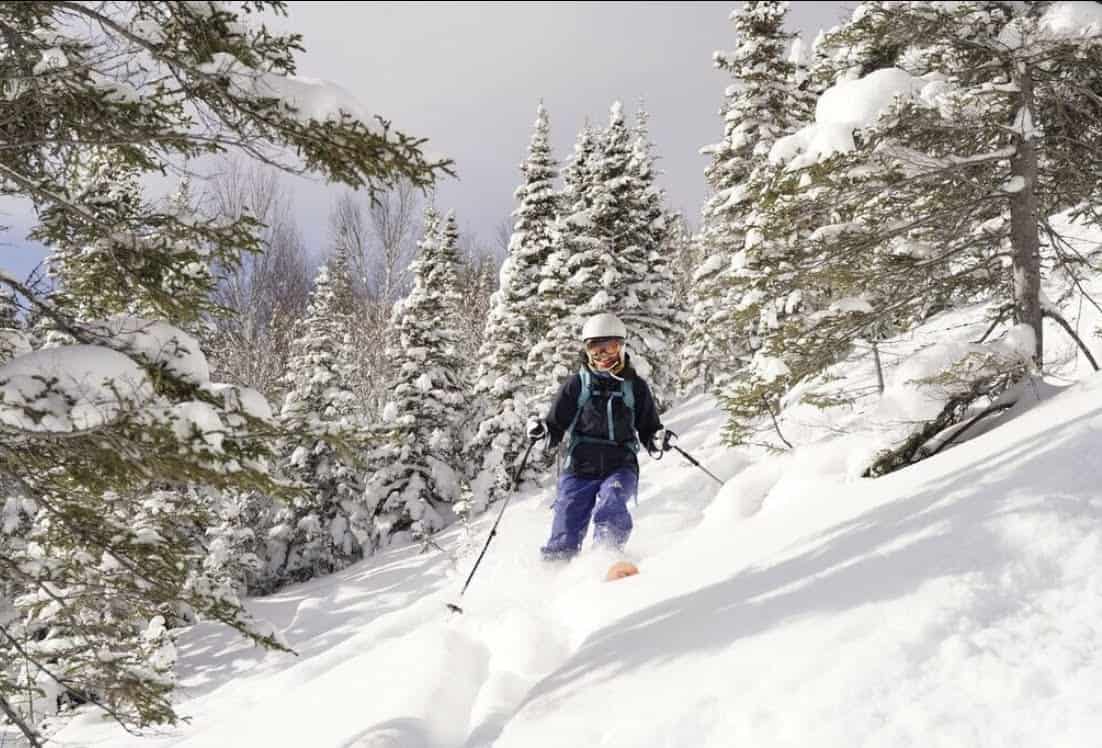
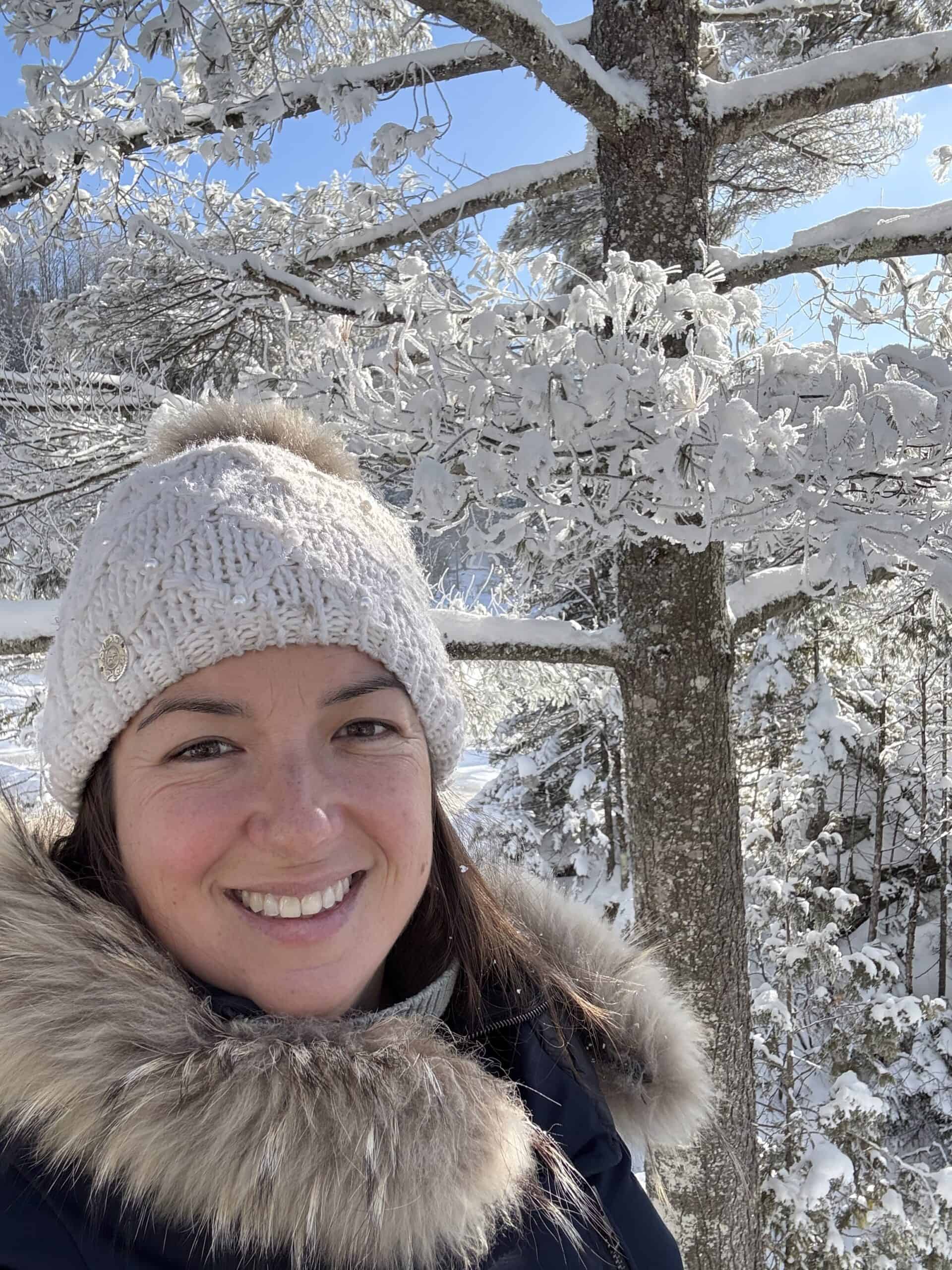
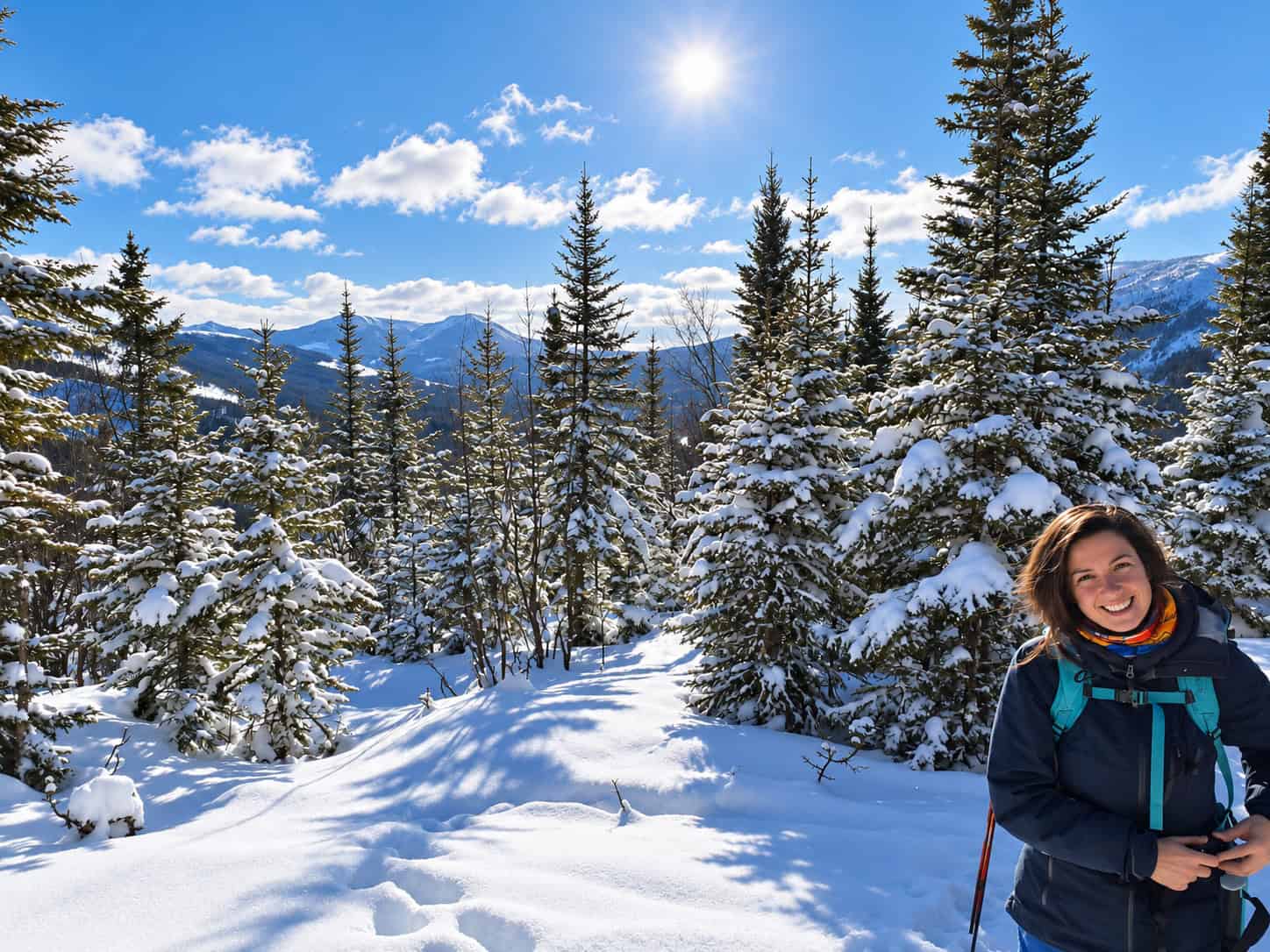
I live in Quebec City and have spent my life experiencing Canadian winters firsthand, from everyday snowy city walks to skiing and long days outdoors. So when it comes to what to wear in Canada in winter, this packing list comes from a local perspective and from actually wearing these layers through real Canadian winter weather.
You don’t need one specific brand or the most expensive winter gear. What matters most is knowing how to layer properly and choosing clothing that works for your destination and activities. In this guide, I’ll share the winter clothing I recommend packing, how to layer it and a few practical extras to help you stay warm and actually enjoy winter in Canada.
This post contains affiliate links. If you make a booking or purchase through one of these links, I may earn a small commission at no additional cost to you. Your support helps me continue creating honest, firsthand travel guides—thank you! Read my full affiliate disclosure for more information.
What to Wear in Canada in Winter
For a cold, snowy day with plenty of time outdoors, this is the basic winter outfit I would start with:
- A warm winter coat with room for layers underneath
- A thermal base layer when conditions call for it
- A sweater or fleece
- Comfortable pants, with snow pants for snow activities or extended time outside
- Insulated, waterproof winter boots
- Wool or wool-blend socks
- Insulated mittens or gloves
- A toque that covers your ears
- A scarf or neck warmer
My advice: Think of this list as your core essentials for a cold Canadian winter, then adjust your layers depending on what you have planned. A full day outside, a city walk, a ski day or a quick dinner out won’t require exactly the same setup but these basics give you a solid starting point for staying warm and comfortable.
How to Layer Your Winter Clothes
Layering gives you options. You can add warmth before heading outside and remove a piece when you enter a café or start working up a sweat.
Think of your outfit in three parts.
Base layer
Sits against your skin
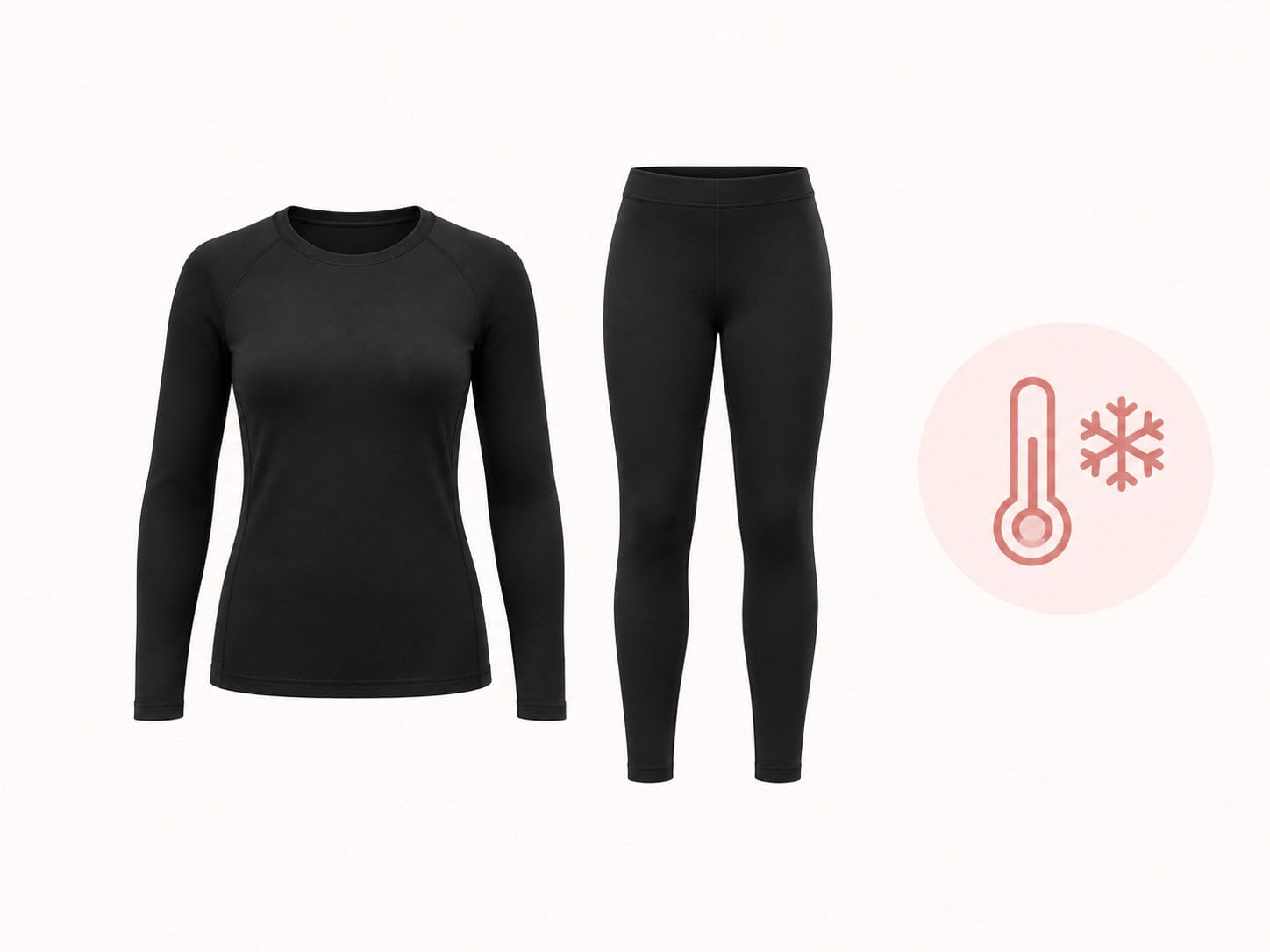
The base layer sits against your skin. A thermal top and leggings form the starting point for colder days. Look for a comfortable fit that works underneath your other clothing without bunching.
Middle layer
Adds insulation
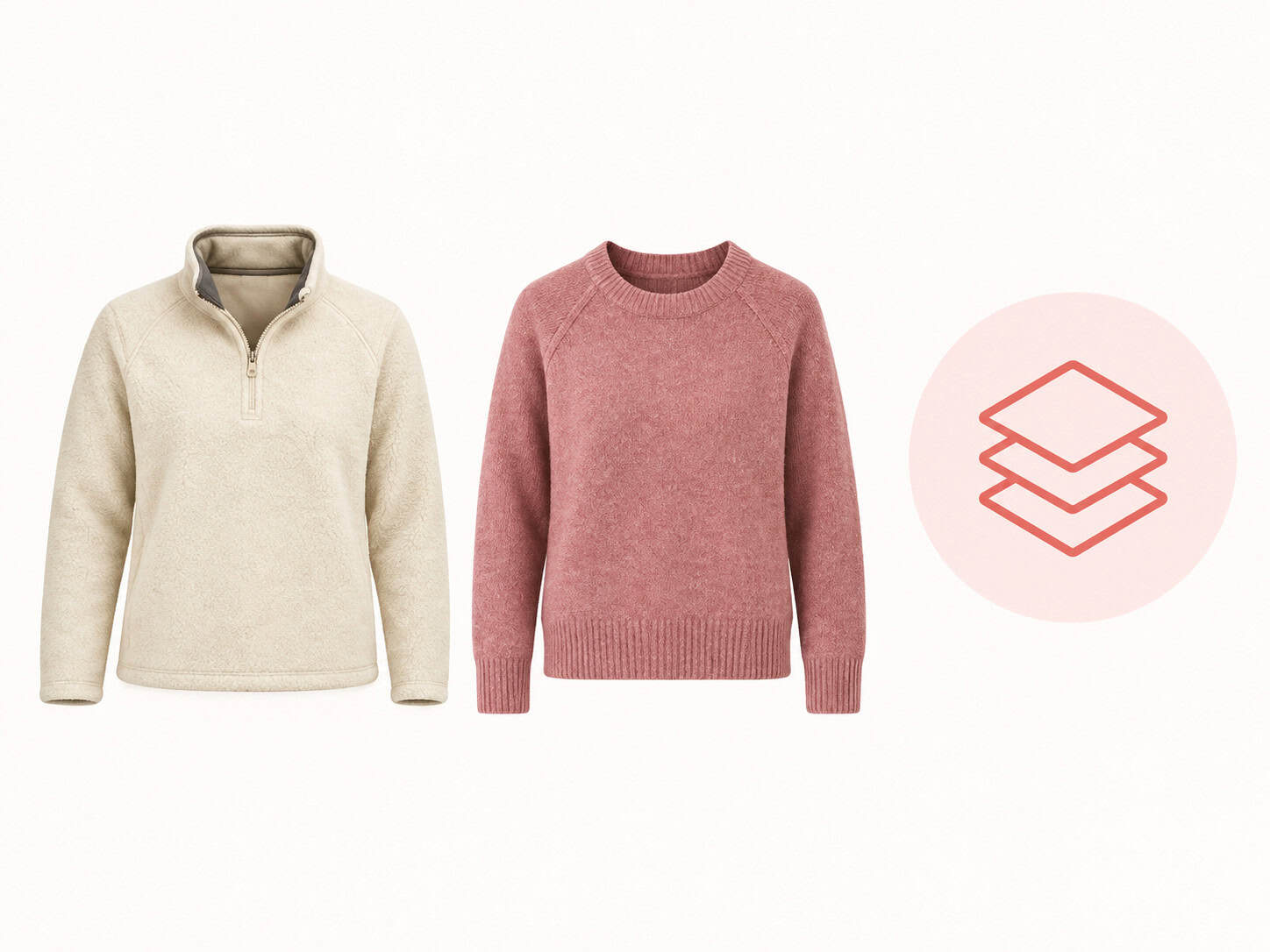
The middle layer adds insulation. This might be a fleece or sweater. Choose something you can comfortably move in, especially around your shoulders and arms.
Outer layer
Protects you from the weather
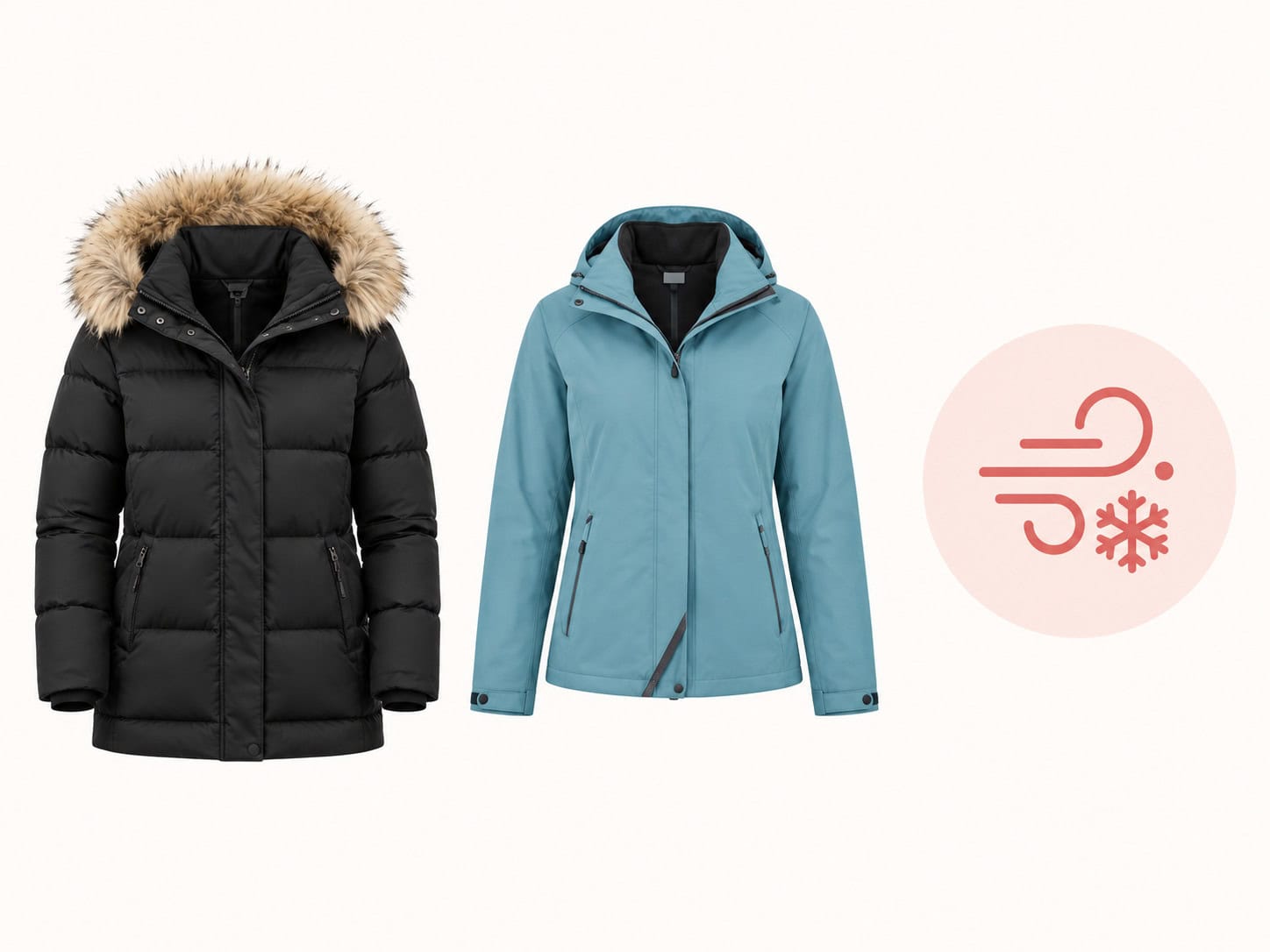
The outer layer protects you from the weather. For sightseeing, that may be an insulated winter coat. For more active outings, it may be a shell worn over suitable insulating layers.
Pack a spare: Socks and mittens are two of the pieces most likely to get damp during a winter day. If you’ll be outside for several hours, bring an extra dry pair in your day bag. Being able to change into warm, dry socks or mittens can make a big difference later in the day.
My Canada Winter Essentials
3 basics worth packing for the cold
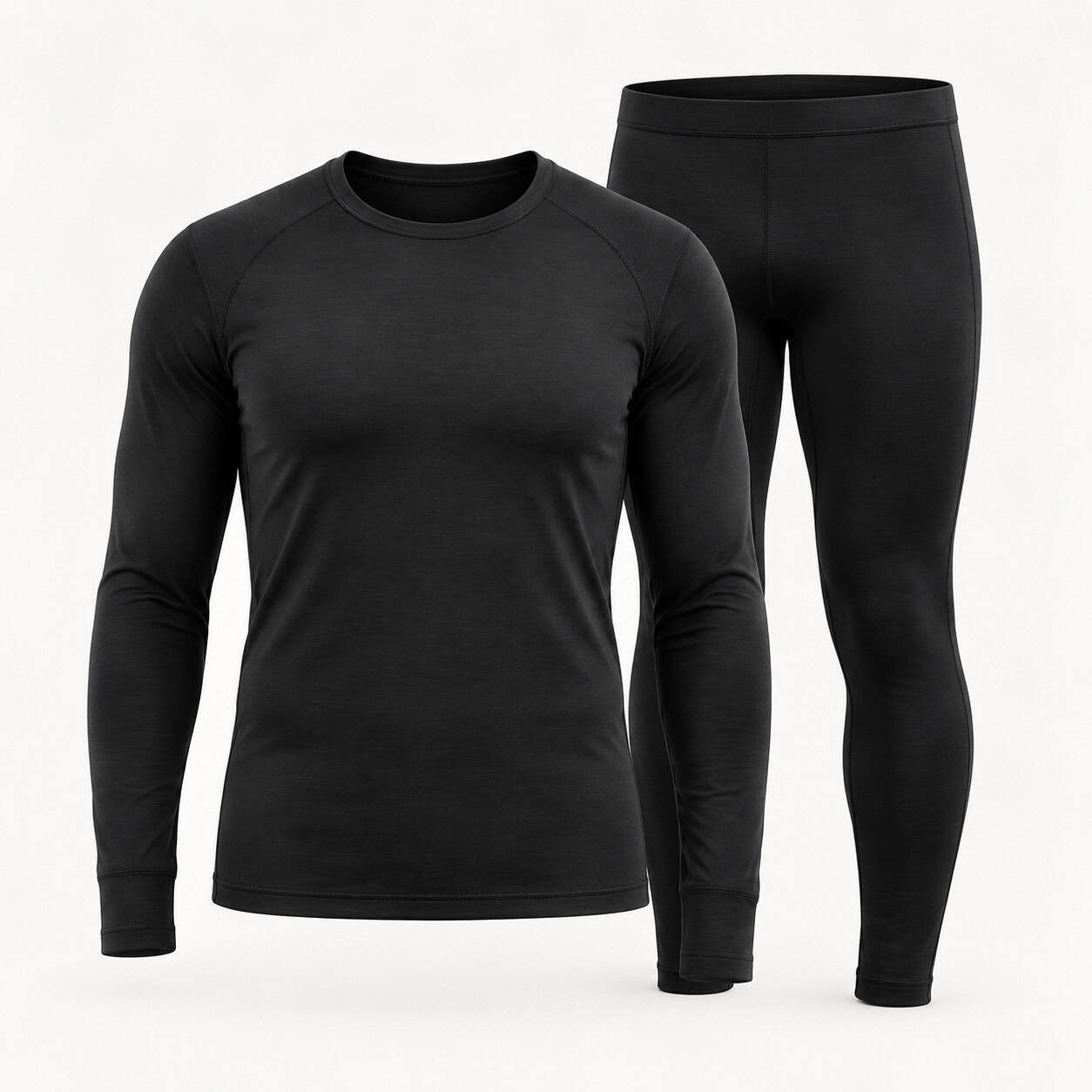
Merino Wool Base Layer
Warm, breathable and easy to layer underneath your winter clothes.
Shop Merino Base Layers →Amazon affiliate link
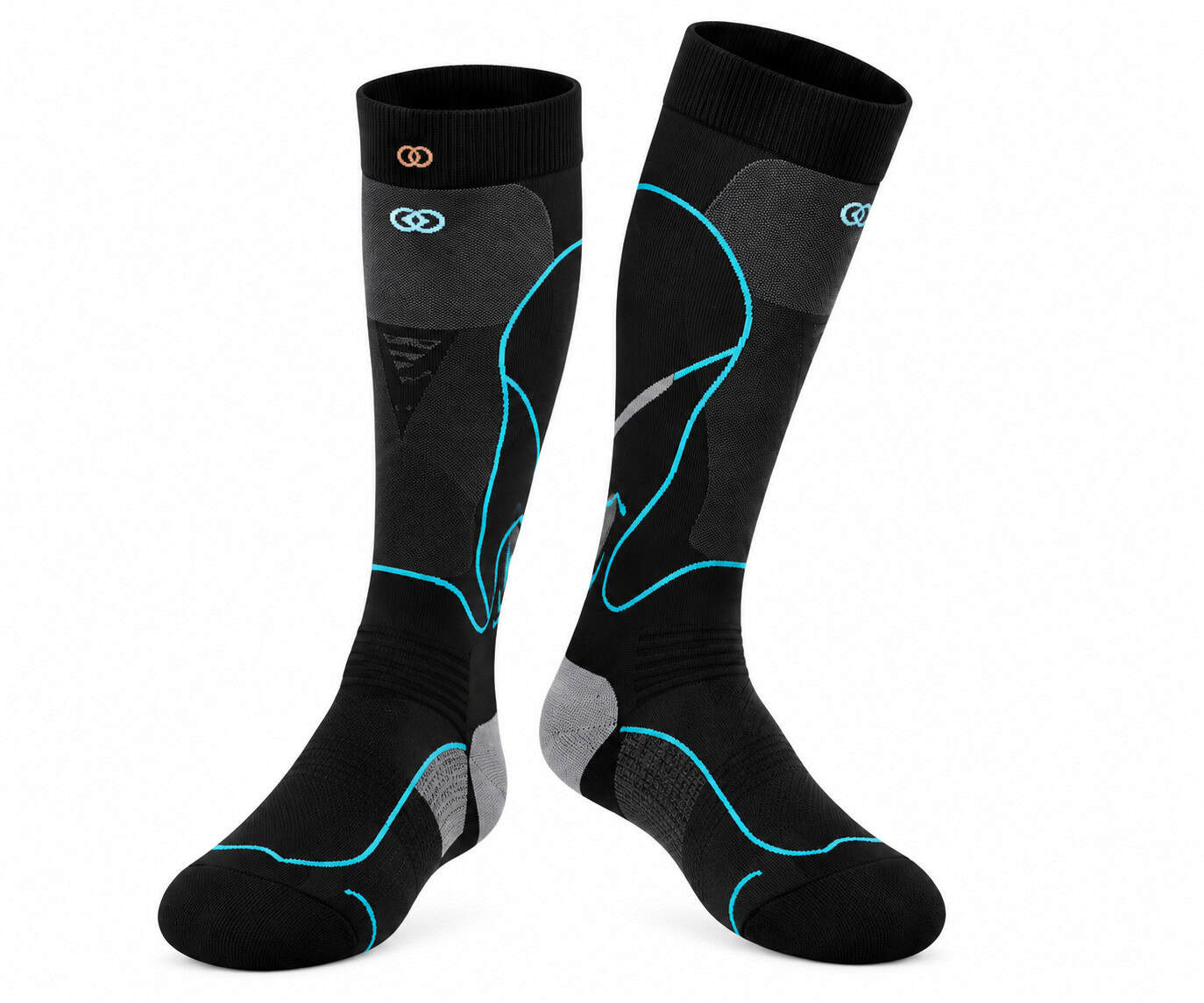
Merino Wool Ski Socks
Designed to fit comfortably inside ski boots without relying on bulky layers.
Shop Ski Socks →Amazon affiliate link
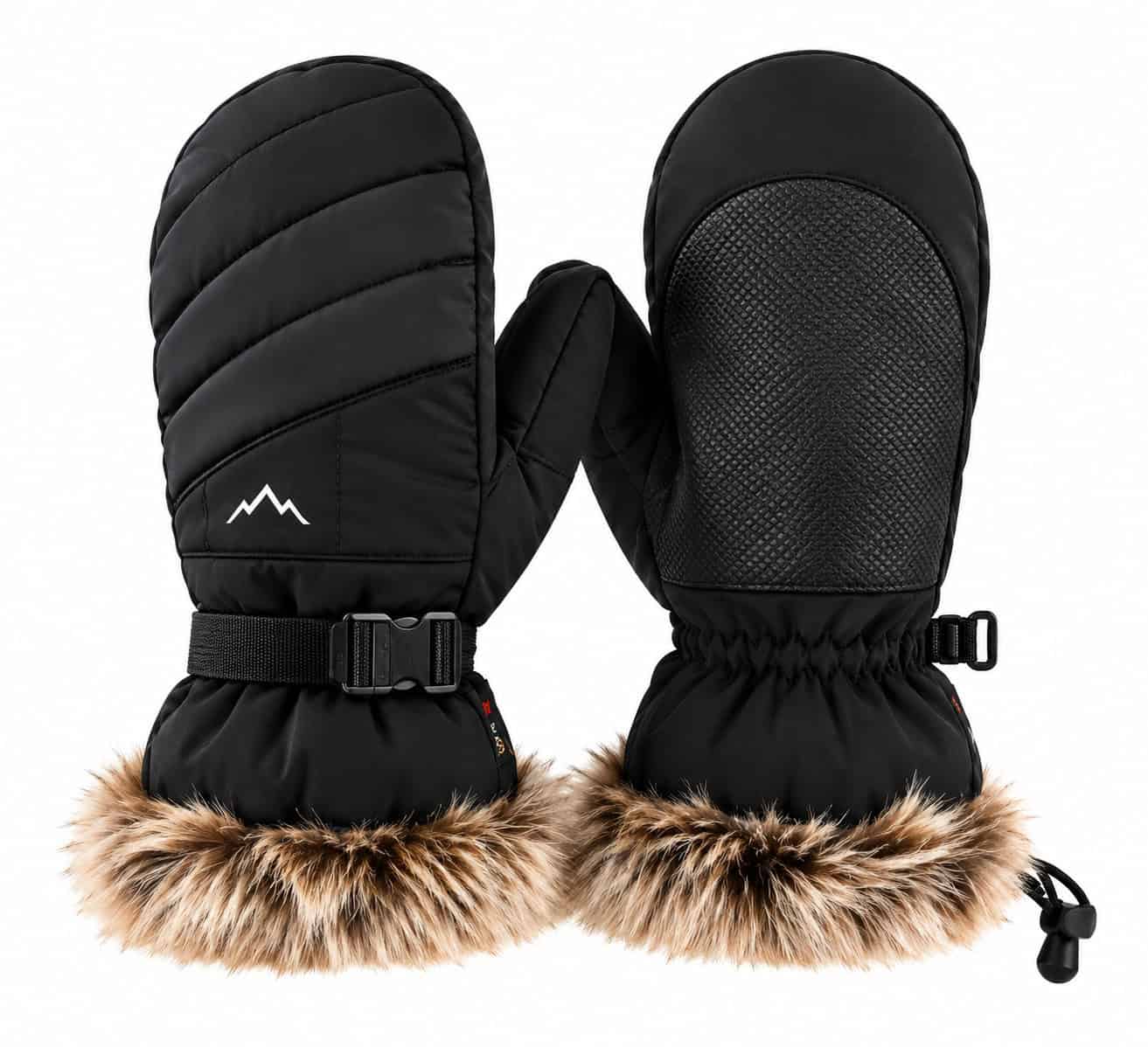
Warm Mittens
Insulated mittens are one of my winter essentials for sightseeing, skiing and long days outside.
Shop Winter Mittens →Amazon affiliate link
INIU 140W Power Bank
A must-have for cold-weather travel

Cold weather can temporarily reduce battery performance, which is not ideal when your phone is also your camera, map, reservation confirmation and way of staying connected while you’re out exploring.
I actually bought two of these power banks. I alternate between them so I can keep one charged and ready to go and somehow I almost always end up lending one to a friend whose phone is running low.
What I especially like is that it isn’t just for my phone. It easily charges my laptop too, which makes it much more useful for longer travel days, road trips and working on the go.
For winter travel, I like having that backup. Even if you don’t need this much capacity, I would still pack some kind of portable charger for a full day outside.
Why I carry it:
- 140W output
- 27,000mAh capacity
- Easily charges my laptop
- Useful for phones and other travel tech
- Gives me a backup when cold weather affects battery life
- Apparently also doubles as the unofficial charger for everyone travelling with me
Amazon affiliate link. This is a product I personally purchased and use.
For the rest of my charging gear and remote-work setup, explore my travel tech essentials, including the items I bring on ordinary vacations and longer working trips.
How to Put Your Winter Outfit Together
There isn’t one perfect winter outfit for every day in Canada. What you wear should depend on the weather, how long you’ll be outside and how much you’ll be moving.
Use these combinations as a starting point, then add or remove layers based on your plans.
For City Sightseeing With Indoor Stops
For a day of sightseeing, start with comfortable pants, a thermal base layer if needed, a sweater or fleece, an insulated winter coat, waterproof boots, warm socks, a toque, mittens and a scarf or neck warmer.
Choose pieces that are easy to remove when you step inside. Canadian winter days can mean moving between cold streets, heated cafés, museums, shops and restaurants, so flexible layers make the day much more comfortable.
For a Long Evening Outdoors
If you’ll be outside for several hours, especially while standing still, add a little more insulation.
Consider thermal bottoms, warmer socks, insulated mittens and additional coverage around your neck and face. An outfit that feels comfortable while you’re walking can feel very different once you stop moving.
Christmas markets, outdoor festivals, winter events and long photo stops often involve more standing around than you expect, so dress for those quieter moments too.
For Skiing and Snow Activities
For skiing, don’t overdress at the start. You’ll warm up quickly once you’re moving, and getting sweaty can make you colder later when you’re sitting on the chairlift.
Wear a base layer, one insulating layer and a waterproof outer layer. Stick to one pair of ski socks rather than doubling up inside your boots, and bring a spare pair of mittens or socks in case yours get wet.
My tip: The best approach to what to wear in Canada in winter is flexibility. Start with the essentials, check the weather and adjust your layers to match the day you actually have planned.
Questions About What to Wear in Canada in Winter
Quick answers before you pack
1 Can You Wear Jeans in Canada in Winter?
Yes, especially for shorter city outings. On colder days, wear thermals underneath if your jeans have enough room. For long periods outdoors, wet snow or winter activities, I would choose something warmer or more weather-resistant.
2 Do You Need Snow Pants in Canada in Winter?
Not for every day. I would bring snow pants for skiing, tubing, playing in the snow, long outdoor events or any day when you expect to spend several hours outside in winter conditions.
3 Can You Wear Leggings in Canada in Winter?
Yes, but thin everyday leggings alone may not be enough for colder days. I prefer thermal leggings as a base layer or underneath weather-resistant pants when I will be outside for longer.
4 What Shoes Should You Wear in Canada in Winter?
Look for insulated, waterproof winter boots with enough room for warm socks. Good traction is also important when sidewalks, parking lots and trails are snowy or icy.
5 What Do You Wear Inside Restaurants and Cafés?
Wear a normal outfit underneath your winter layers. The goal is to be able to remove your coat, toque and scarf when you go inside and still feel comfortable in a heated space.
6 What Is the Most Important Thing to Pack for a Canadian Winter?
A flexible layering system. Start with a comfortable base layer, add insulation and finish with weather protection. You can remove layers when you warm up and add them again when the temperature or your activity changes.
Be Prepared and Enjoy Winter in Canada
Winter in Canada is much easier to enjoy when you stop looking for one perfect outfit and start thinking in layers.
Pack the core essentials, check the forecast and dress for what you’re actually doing that day. Some days will mean an insulated coat and warm mittens for walking around the city. Others will mean thermals, ski socks and a waterproof outer layer.
The goal is simple: stay warm enough that the cold doesn’t become the thing you remember most.
Once you’re dressed for it, winter opens up a completely different side of Canada – snowy streets, frozen landscapes, ski days, Christmas markets and some of the most beautiful outdoor moments of the year.
Keep Planning Your Winter in Canada
More guides for your trip
Quebec City in Winter: 15 Best Things to Do
Christmas markets, snowy walks, winter activities and ideas for experiencing Quebec City during its coldest season.
Explore the winter guide → Skiing5 Best Ski Resorts Near Quebec City
Compare nearby mountains for scenery, night skiing, beginner terrain and a full Canadian winter ski day.
Find your ski mountain → ItineraryThe Perfect 2 Days in Quebec City
Use this itinerary to balance outdoor sightseeing with cafés, restaurants and indoor stops throughout your trip.
Plan your 2 days →Keep Exploring
More resources for your next adventure
Travel Essentials
Explore practical gear, packing guides and travel essentials for road trips, winter adventures and life on the go.
Explore Travel Essentials →Travel Planning Resources
Find practical planning tools, free travel resources and ideas to help make your next trip easier to organize.
Explore Travel Resources →