Lake Atitlán, Guatemala : Rainy Season Guide
This post contains affiliate links. If you make a booking or purchase through one of these links, I may earn a small commission at no additional cost to you. Your support helps me continue creating honest, firsthand travel guides—thank you! Read my full affiliate disclosure for more information.
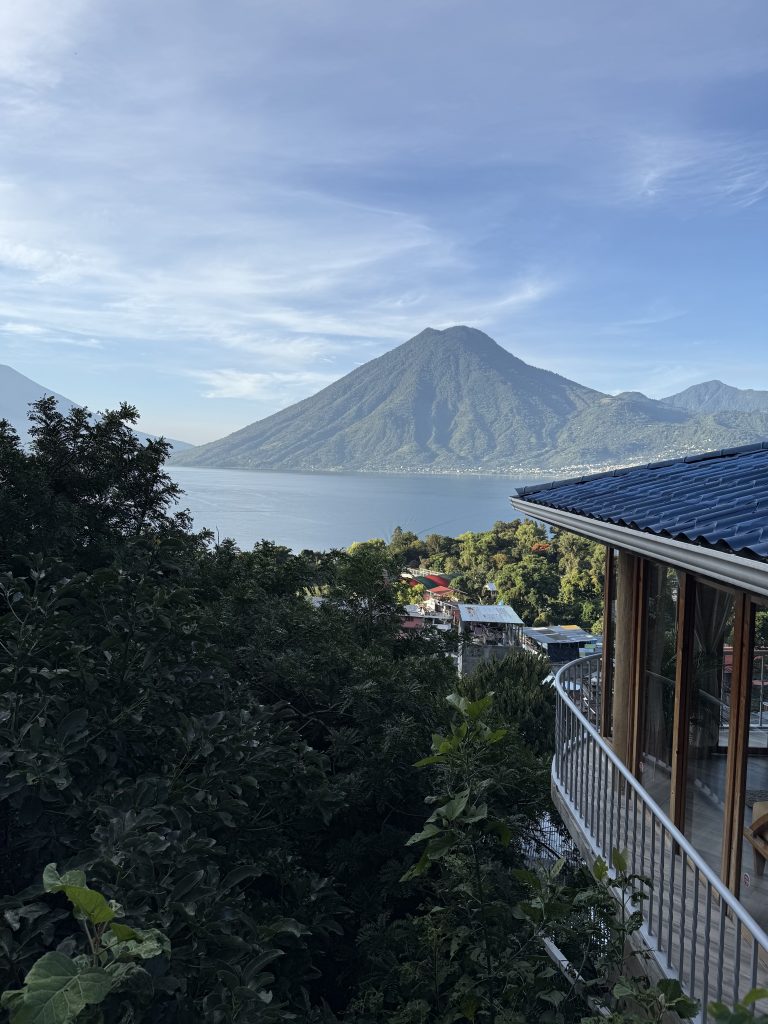
I spent a full month at Lake Atitlán in August, right in the heart of rainy season. Most mornings were bright blue and calm: I’d drink my coffee with volcano views, answer a few emails, and still have time to jump on a lancha before the clouds rolled in. By late afternoon, the lake would usually flip the mood, clouds would start piling up and sometimes turn into those impressive thunderstorms, lightning lighting up the volcanoes.

If you’re wondering what Lake Atitlán weather is really like during the rainy season – temperatures, rain, what to pack, and whether it’s a good time to visit – this guide breaks it all down from my month actually living there.
A quick note on Guatemala weather reports
Before my trip, I started checking the weather for my dates and every single app basically screamed:
“Rain & thunderstorms. Every. Single. Day.”
Most weather services show some kind of “40% chance of thunderstorms” almost every day, especially in rainy season. On paper, it looks like you’re signing up for indoor activities and dark skies all day long. If you’re anything like me, you need to be in nature and you function best outdoors, that kind of forecast can honestly make you skip the destination altogether.
I’m very glad I ended up ignoring them and trusted that I’d enjoy the trip whatever the weather turned out to be, because in the end, I truly believe in getting out of my comfort zone and adjusting as I go.
So what was the reality at the lake during the rainy season?
Many days started mostly sunny and warm, with clouds and rain only building later in the afternoon or evening.
For context, Guatemala’s climate is roughly:
- Rainy season (invierno / “winter”): May–October
- Dry season (verano / “summer”): November–April
Is the rainy season a good time to visit Lake Atitlán?
Short answer: Yes! If you’re okay with cloudy, rainy afternoons and the occasional thunderstorm, here’s what you’re really signing up for:
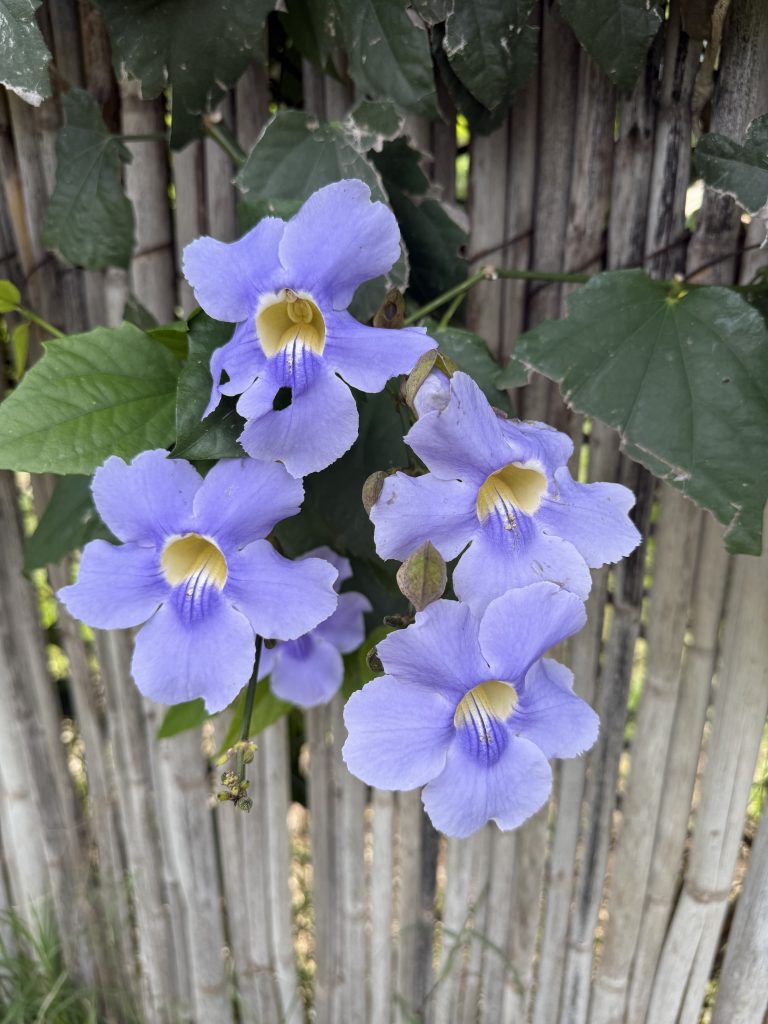
- Explosions of flowers everywhere you walk
- Green, blooming, alive landscapes instead of dry-season brown
- Fewer crowds than peak season
- Better chances of finding good accommodation deals
- Clear, peaceful mornings and dramatic late-night thunderstorms
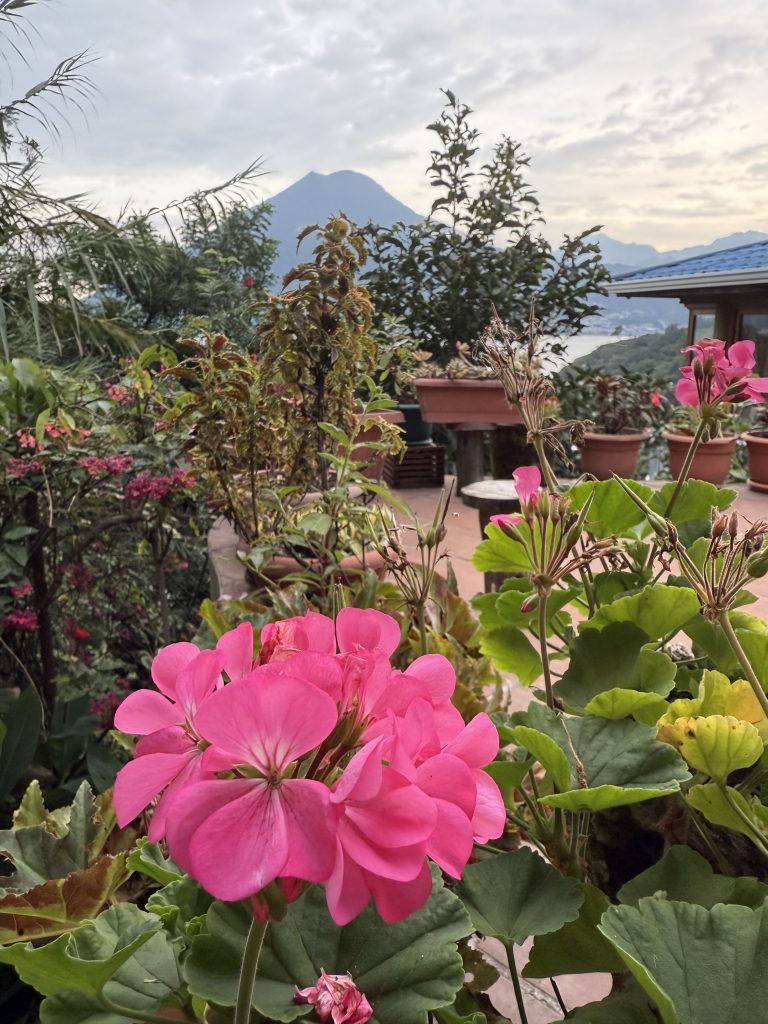
And let me say a word about those storms: I would literally sit for hours on my veranda watching them roll in from across the lake, lightning splitting the sky right over the volcanoes. It felt less like “bad weather” and more like a nightly show.
There’s also an unexpected bonus: you may actually come to love the sound of rain on the roof at night. When the big rains arrive, most of the street dogs disappear under roofs to stay dry, which usually means quieter nights and better sleep than on clear, bark-filled nights.
If you want guaranteed blue skies all day, you’ll prefer the dry season (November–April). But if you love lush landscapes, wild flowers, cozy storm watching at night and a little extra peace and quiet, the rainy season is a beautiful time to be here.
And if you’re now thinking, “Okay, I’m in — but what do I actually do when I’m there?”, I’ve put together 15 Best Things to Do in Lake Atitlán, Guatemala to help you plan your days around the weather.
Daily Life at Lake Atitlán in Rainy Season
Temperatures in August
Lake Atitlán sits high in the Guatemalan highlands at around 1,500–1,600 meters above sea level, which keeps temperatures mild year-round.
In August, you can generally expect:
- Daytime highs: around 24°C / 75°F
- Nighttime lows: around 16°C / 61°F
Most days felt pleasantly warm in the sun, cool in the shade, and just a touch chilly at night. I spent my mornings in a t-shirt and often reached for a light sweater once the sun dipped.
How to plan your days during rainy season
From spending a full month at Lake Atitlán in the middle of rainy season, this is the weather pattern I kept noticing, my days would usually look like this:
- Morning: often clear or partly sunny : I used this time for hikes, boat rides and day trips.
- Afternoon: clouds start stacking over the volcanoes; showers or full-on thunderstorms are common.
- Evening / night: heavier rain and storms rolling across the lake.
My advice for digital nomads during rainy season
On days when I needed to work, this rhythm helped me a lot:
- Morning: get most of your focused work done while the sky is calm and the Wi-Fi is usually more stable.
- Early afternoon (until around 3–4 p.m.): take a break to wander around the village, grab lunch, or hop on a short lancha ride, the rain often only starts later.
- Late afternoon / evening: keep only offline work or low-stakes tasks if possible, in case the rain brings temporary power or Wi-Fi cuts.

Basically, whether it’s adventure or work, do the big things early, then let the day slow down with the weather. Mornings are for moving; rainy afternoons are for soft plans, books, cafés and watching the storms roll in.
Expect occasional power or Wi-Fi cuts
Storms can cause short power outages or unstable Wi-Fi:
- Keep your devices as charged as possible.
- If you’re working online, do your heavier tasks in the morning when things tend to be more stable.
- Download offline maps and anything important you might need before the afternoon.
Some evenings, I just accepted the Wi-Fi break as a sign to close the laptop and watch the storm instead.
A charged power bank is useful when the electricity cuts out; I share the one I use, along with my other travel tech essentials in this guide.
Pros & cons of visiting Lake Atitlán in rainy season
Pros of rainy season at Lake Atitlán
- Lush, green landscapes – This is when nature is the most vibrant.
- Peaceful vibe – Fewer tourists than in high season.
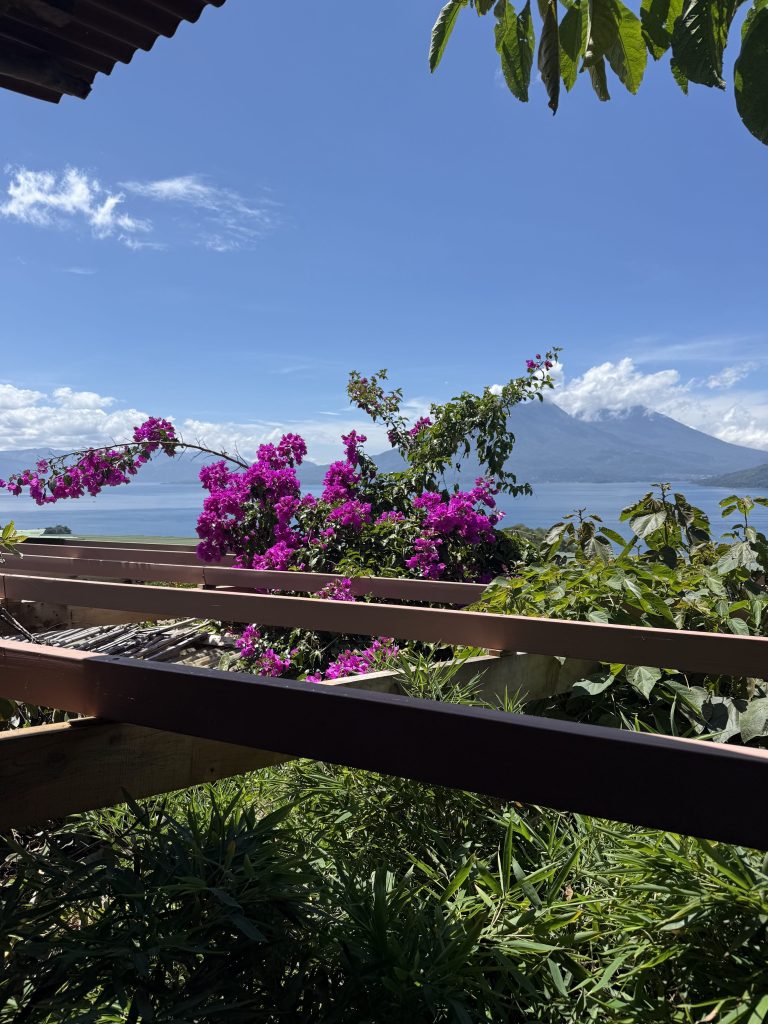
- Blue-sky mornings – Great for sunrise hikes, coffee on the terrace, or getting work done with a view.
- Epic thunderstorms – Night storms over the volcanoes are a show of their own.
- Quieter nights – Many dogs hide from the rain and thunder, so there can be fewer late-night barking battles.
- Potential savings – You may find better prices on accommodation compared to peak months.
Cons of rainy season at Lake Atitlán
- Afternoon disruptions – Boat schedules can be affected by strong winds or storms, especially later in the day.
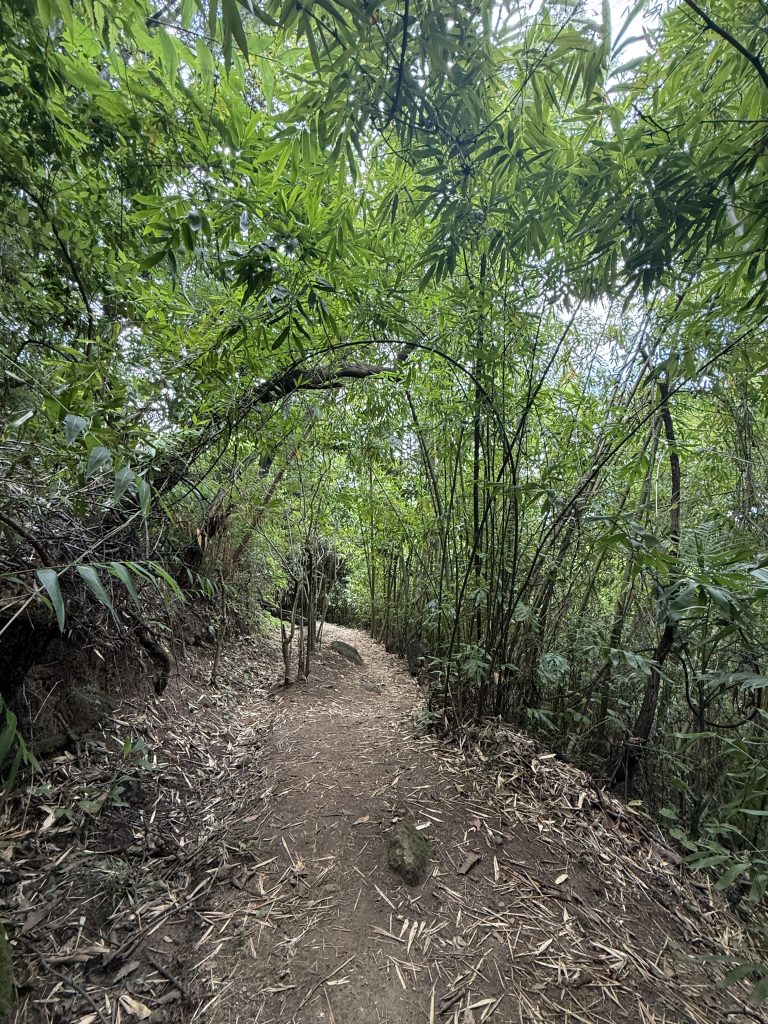
- Muddy, slippery paths – Trails and stone steps in villages can get slippery after heavy rain.
- Occasional power cuts – Strong storms can knock out electricity for short periods.
If you can accept these “cons” as part of the experience then I honestly recommend the rainy season in Lake Atitlán, Guatemala.
What to pack for Lake Atitlán during rainy season
Think: layers, quick-dry fabrics, and rain-friendly everything. Here’s a practical packing list:
Clothing
- Lightweight rain jacket – A proper waterproof layer you’ll actually wear.
- Quick-dry tops and shorts/leggings – Avoid heavy cotton that stays damp forever.
- One warm layer – A light sweater for evenings by the lake.
- Comfortable long pants – Great for cooler nights, bus rides, and mosquito areas.
- Sleepwear with layers – Nights can feel chilly, especially in rooms without heaters.
Footwear
- Water-resistant walking shoes or trail runners – For village steps, muddy paths and easy hikes.
- Sandals you can get wet – Ideal for docks, boat rides and sudden showers.
Rain & moisture gear
- Dry bag or waterproof backpack cover – To protect your laptop, camera, and passport during boat rides.
Health & comfort
- Mosquito repellent – Especially if you’re near greenery or sitting outside in the evenings.
- Basic meds – For stomach issues, headaches, and motion sickness (lancha rides can get choppy in wind).
- Electrolyte packets – Helpful after hot, humid days or long hikes.
For digital nomads – Practical tips for rainy season in Lake Atitlán
As a digital nomad, Lake Atitlán during the rainy season was totally workable, as long as I respected the weather.
Here’s what helped me:
- Surge protector / small power strip – Outlets can be limited, and storms aren’t kind to electronics.
- Offline downloads – I got into the habit of downloading key work files in the morning in case the Wi-Fi dipped during evening storms.
- Flexible call schedule – I tried to stack most of my calls and deep work in the morning window when the connection was strongest and the sky was calm.
- Notebook – Rainy season nights here are made for writing, reflecting, and planning. Some of my best ideas came while I was listening to the rain and watching lightning over the volcanoes.
Mindset: how to actually enjoy the rainy season at Lake Atitlán
If you come to Lake Atitlán in August expecting perfect weather, you’ll be frustrated. If you come expecting weather with personality, you’ll probably fall in love with it.
Here was my personal mindset:
- Mornings are for action. Treat 6 a.m. to noon as sacred: hikes, boat rides, exploring, photos, deep work.
- Afternoons are for surrender. When the storms roll in, let them. This is your cue to slow down, read, journal, talk to other travelers, or just watch the lightning over the volcanoes.
- The rain is part of the magic. It feeds the lake, greens the hills, quiets the dogs, cools the air, and gives you built-in pause moments you’d never schedule for yourself.
Quick FAQ: Lake Atitlán during rainy season
Can you swim in Lake Atitlán in August?
Yes. I had lovely beach days even in rainy season. The water temperature is comfortable, especially on a sunny day. Just be mindful of where you swim (some areas have cleaner access than others).
My go-tos were:
- La Casa del Mundo – Terraces and ladders straight into the lake
- Cerro Tzankujil in San Marcos – Great jumping spots and lake access
- The beach area at the Reserva Natural in Panajachel
Avoid swimming during storms or when the lake looks particularly rough.
If you’re planning your trip around Lake Atitlán, you might also like: